Why your cat follows you from room to room
Quiet following can be attachment, routine and excellent household supervision.
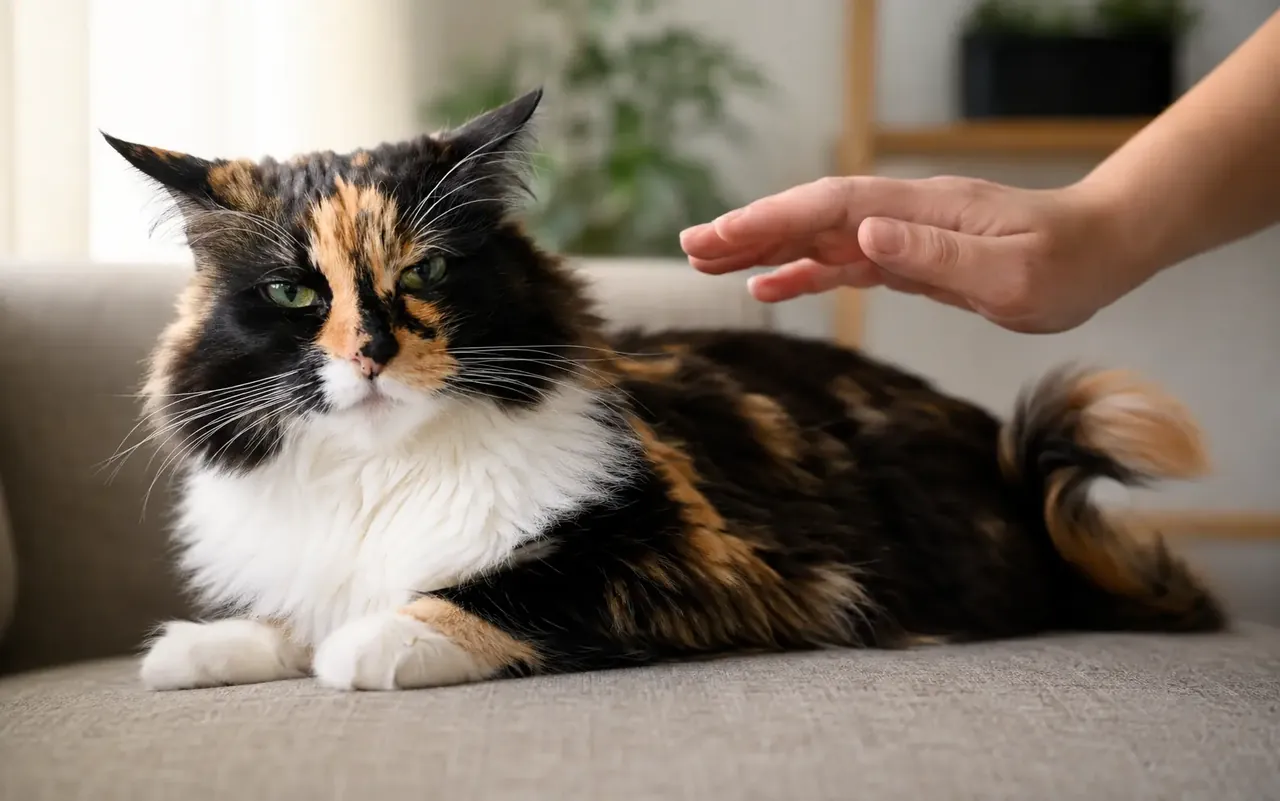 Topic illustration selected for this guide. Some learning images may be AI-assisted.
Why your cat follows you from room to room — the quick answer
✓ Many cats prefer proximity without constant touching and use following to stay socially connected.
✓ Offer nearby beds and regular attention while allowing independent rest.
✓ Sudden clinginess or inability to settle can be discussed if paired with health or behaviour changes.
Many cats prefer proximity without constant touching and use following to stay socially connected. This guide separates the quick answer from the details that actually help at home, with no blame and no dramatic guessing.
The short answer
Many cats prefer proximity without constant touching and use following to stay socially connected. Meals, play and interesting doors can also make your movements predictive. The useful question is not simply whether something can happen, but what is normal for this individual cat and what has changed. Age, health, routine and previous experience can all change the safest answer.
What you can do today
Put a comfortable resting place near a room you use often and let the cat choose whether to follow or settle there. Keep access to water, litter and a quiet retreat when a door must close. Reward relaxed independent rest without forcing separation to test the bond.
What to watch
A loose cat that follows and then naps nearby differs from one that scratches frantically at doors or cannot settle when you leave. Compare with its usual pattern, and note any new hunger, thirst, vocalising, pain or litter changes alongside increased following.
What not to do
Do not force cuddling because the cat chose to be near you. Online tips can sound confident while missing the cat’s medical history, exact exposure or stress level. Avoid adding several remedies at once, because that makes both improvement and deterioration harder to interpret.
When to contact a veterinarian
Sudden clinginess together with reduced eating, altered movement, unusual calling or trouble settling deserves veterinary advice. A single room-to-room walk does not diagnose separation anxiety; describe the full pattern and what happens during absences.
A kind next step
Start with the simplest safe action from this guide and let your cat set the pace. Keep familiar food, water, litter and resting places available. Recheck the situation after the next normal routine point—a meal, nap, play session or litter visit—and compare it with your notes rather than memory alone.
Your quick checklist
Your progress is saved on this device.
Three simple things you can do
You do not have to change everything today. Pick one step that feels realistic, try it and see how your cat responds.
- 1Provide comfortable observation spots in the rooms you use most.
- 2Reward independent settling as well as friendly following.
- 3Check for distress signs if the behaviour changes suddenly.
Common mistakes
×Assuming following always means separation anxiety.
×Closing doors repeatedly to test the cat.
×Giving food every time the cat follows.
Questions cat people ask
Why does my cat follow me everywhere?+
Social interest, routine, curiosity, security and learned access to food or play can all make following rewarding.
When is following a problem?+
Seek advice when the cat cannot settle alone, vocalises intensely, stops eating or shows destructive or toileting changes during separation.
Still looking for the right answer?
Search the full EverYes Cats encyclopedia with your own words — a symptom, food, behaviour, breed or everyday question.
Checked, dated and transparent
- Prepared by
- EverYes Cats editorial team
- Last updated
- 21 September 2026
- Source checked
- 21 September 2026
- Primary reference
- FelineVMA — Feline Behavior Guidelines ↗
We begin with the named reference, rewrite the information in plain language and add practical cat-parent steps. Urgent health statements are checked against veterinary sources. This guide has not been individually reviewed by a veterinarian unless explicitly stated. It provides education, not diagnosis or treatment.
How we choose and use sources →
Spotted something unclear or outdated? Tell us so we can review it.
Your answer helps us improve the cat encyclopedia.
The cat may be greeting, rubbing scent, seeking contact or anticipating a familiar routine.