Why does my cat reach paws under the door?
Movement, sound and blocked access can turn the gap beneath a door into an irresistible hunting puzzle.
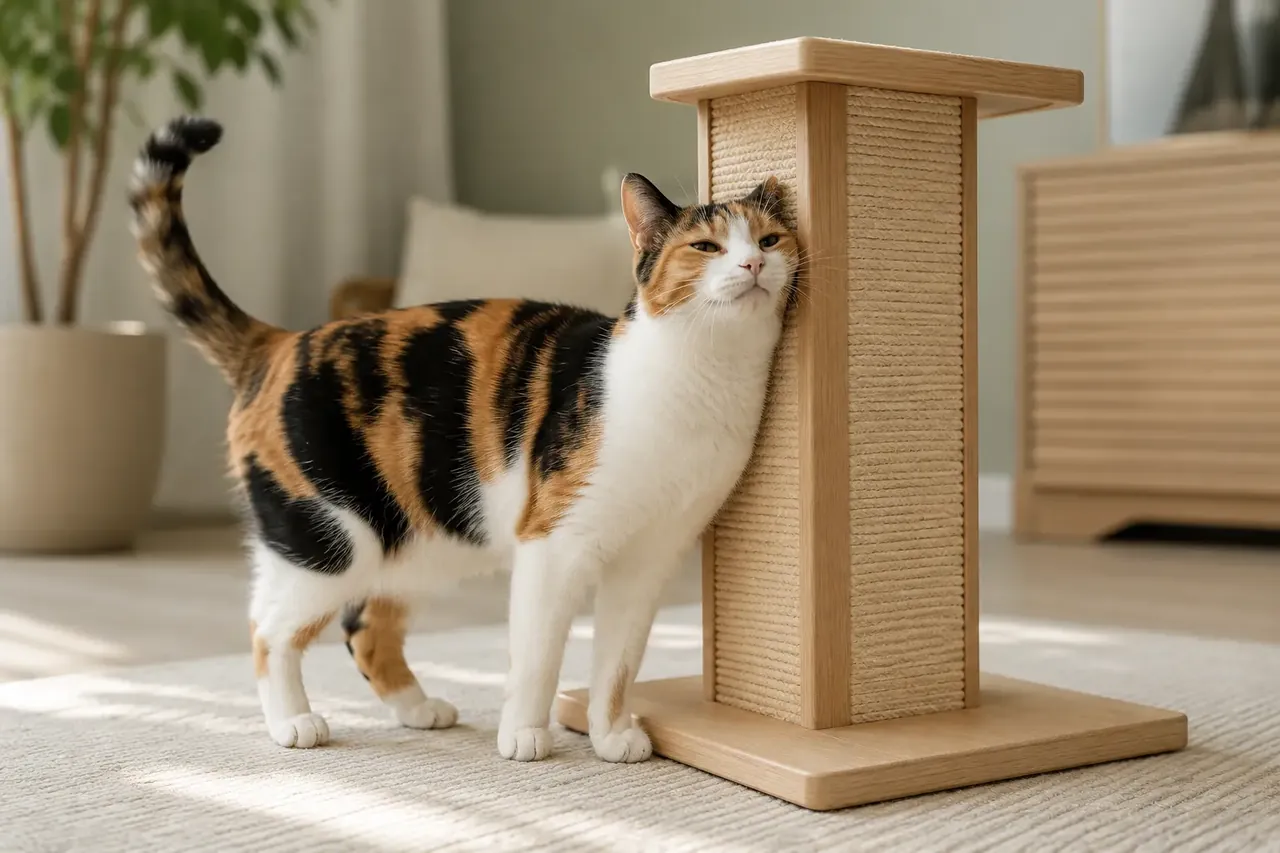 Topic illustration selected for this guide. Some learning images may be AI-assisted.
Why does my cat reach paws under the door — the quick answer
✓ Movement, sound and blocked access can turn the gap beneath a door into an irresistible hunting puzzle.
✓ Offer play elsewhere and use a safe door sweep if claws or toes could be trapped.
✓ Persistent distress around separation may benefit from veterinary behaviour guidance.
Movement, sound and blocked access can turn the gap beneath a door into an irresistible hunting puzzle. Here is the practical version: what the detail means, what you can safely do at home and where the line for professional help begins.
Start with the whole picture
A moving shadow, a person on the other side or a toy rolling past can invite a paw under the gap. Watch whether the cat is briefly playful and then settles or stays frantic at a closed door. Check that claws and toes cannot become trapped in a sharp or narrow edge.
A useful next step
Move play to an open area with an appropriate toy and keep essential water, litter and resting places accessible on the cat's side of the door. If the gap is unsafe, fit a secure door sweep that cannot be chewed or pulled loose rather than pushing the paw back through.
What to record
Note which door, time of day and event prompts the pawing, how long it lasts and whether the cat can settle afterward. Repeated distress, self-injury or failure to eat when separated warrants professional advice beyond a door adjustment.
Common mistakes to avoid
When dealing with why does my cat reach paws under the door?, do not punish a worried cat, force food or water, give human medicine or rely on a confident online diagnosis. Avoid removing access to water or litter, and never delay urgent care simply to keep monitoring at home. The safer alternative in this situation is: Offer play elsewhere and use a safe door sweep if claws or toes could be trapped.
When the answer changes
Persistent distress around separation may benefit from veterinary behaviour guidance. Seek emergency help for difficulty breathing, collapse, seizures, uncontrolled bleeding, suspected poisoning or repeated straining with little or no urine. Cats often hide pain, so a persistent subtle change still matters.
The kindest way forward
For why does my cat reach paws under the door?, keep the cat comfortable, preserve choice and begin with this guide's practical action: Offer play elsewhere and use a safe door sweep if claws or toes could be trapped. Reassess after the next normal routine point. If you call a clinic, have your timeline, photographs, medication list and any relevant packaging ready. The professional-help threshold for this guide is clear: Persistent distress around separation may benefit from veterinary behaviour guidance.
Your quick checklist
Your progress is saved on this device.
Three simple things you can do
You do not have to change everything today. Pick one step that feels realistic, try it and see how your cat responds.
- 1Observe your cat’s individual baseline.
- 2Make one gentle change at a time.
- 3Ask a qualified professional when health or safety is involved.
Common mistakes
×Waiting for a dramatic symptom instead of noticing smaller changes from the cat’s normal routine.
×Changing several things at once, making it difficult to learn what actually helped.
×Treating general guidance as a substitute for advice from a veterinarian who knows the individual cat.
Questions cat people ask
Does every cat follow the same rule?+
No. Age, health, history, temperament and environment all change what works for an individual.
When should I seek professional help?+
Seek veterinary advice for sudden, persistent or concerning changes and urgent help for breathing difficulty, collapse, seizures, poisoning or urinary obstruction signs.
Still looking for the right answer?
Search the full EverYes Cats encyclopedia with your own words — a symptom, food, behaviour, breed or everyday question.
Checked, dated and transparent
- Prepared by
- EverYes Cats editorial team
- Last updated
- 21 September 2026
- Source checked
- 21 September 2026
- Primary reference
- FelineVMA Feline Behavior Guidelines ↗
We begin with the named reference, rewrite the information in plain language and add practical cat-parent steps. Urgent health statements are checked against veterinary sources. This guide has not been individually reviewed by a veterinarian unless explicitly stated. It provides education, not diagnosis or treatment.
How we choose and use sources →
Spotted something unclear or outdated? Tell us so we can review it.
Your answer helps us improve the cat encyclopedia.
Scraping beside the bowl may be an instinctive cover-up or feedback about the meal area.