Why does my cat put toys in the water bowl?
A cat may drop toys in water through carrying, play or an individual storage routine. The important questions are whether the toy stays intact and whether dye, filler or debris contaminates the drinking water.
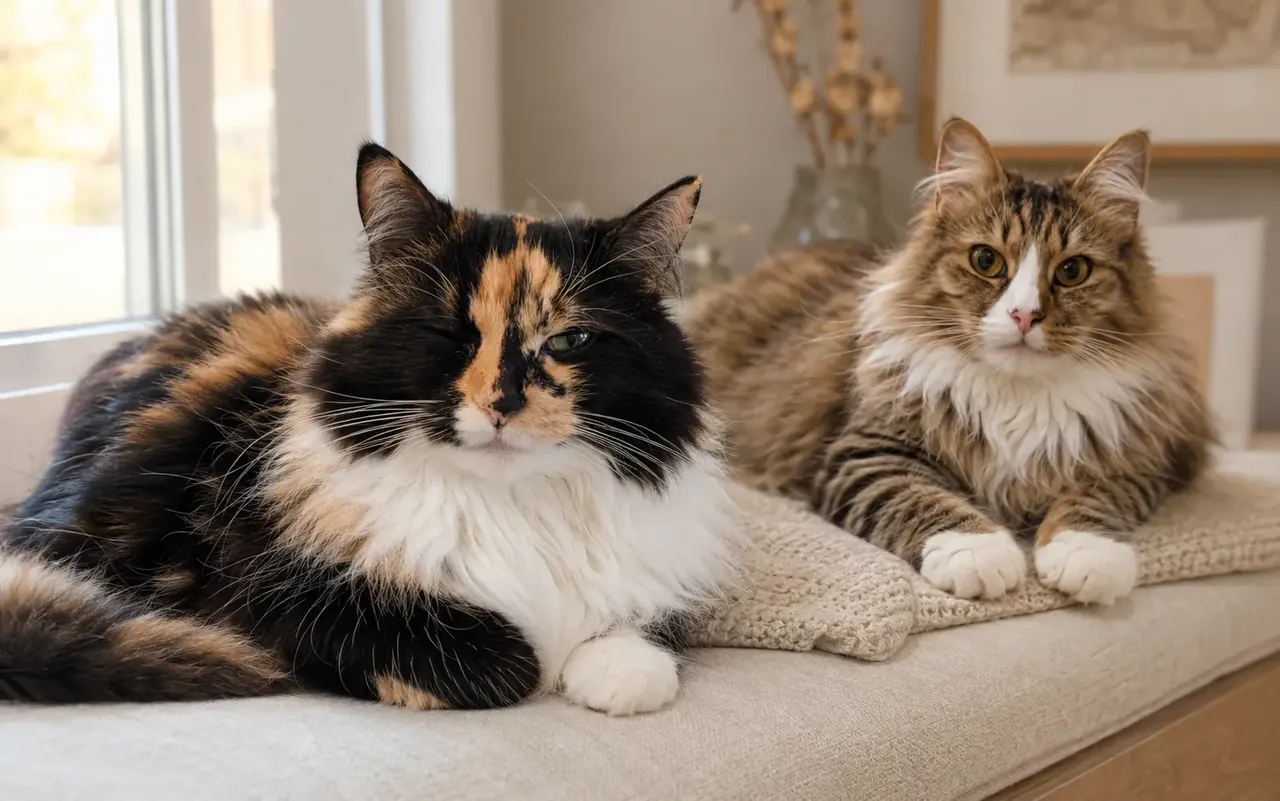
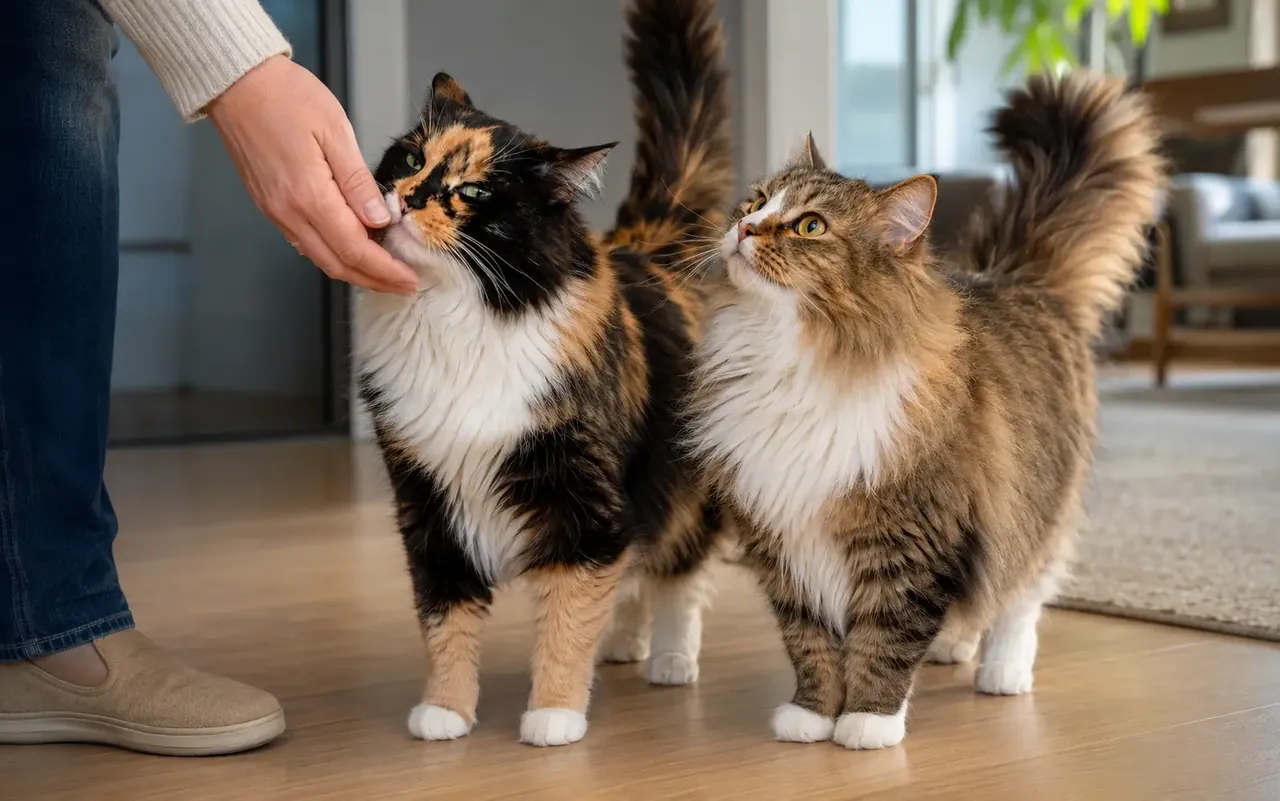 Topic illustration selected for this guide. Some learning images may be AI-assisted.
Why does my cat put toys in the water bowl — the quick answer
✓ The bowl may be a secure collection point, a place to explore movement or simply part of an individual play routine.
✓ Observe: Check whether toy dye, loose parts or contaminated water create a problem.
✓ Try this: Use washable intact toys and refresh the water whenever a toy lands in it.
The bowl may be a secure collection point, a place to explore movement or simply part of an individual play routine. The useful question is not only what the moment resembles, but whether it fits this cat’s normal pattern. Context, frequency, recovery and accompanying changes make the interpretation safer and more accurate.
Inspect the soaked toy
Remove it and check seams, dye, foam, bells, catnip filling, feathers and loose pieces. Discard toys that swell, unravel, bleed colour or become small enough to swallow. Never leave string, elastic or wand attachments unattended, wet or dry.
Refresh the drinking water
Wash the bowl with mild unscented dish soap, rinse thoroughly and refill whenever a toy leaves visible debris, colour or odour. Keep a second water station available during cleaning. Do not add disinfectant, fragrance or essential oil to discourage play.
Offer a separate collection game
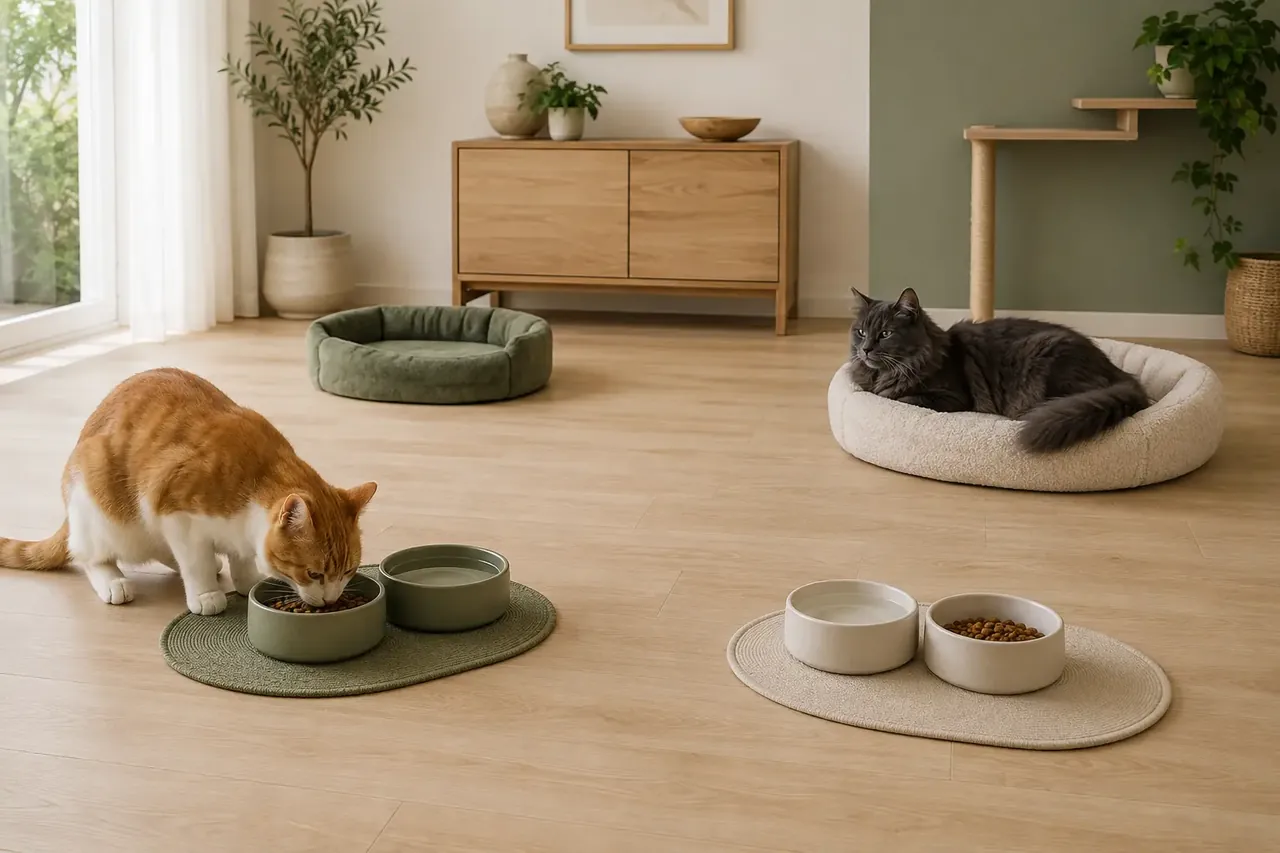
Place washable intact carrying toys beside a shallow dry toy basket and reward voluntary drops there. A second stable water bowl in another quiet location helps preserve access without punishing the habit. Avoid chasing the cat or pulling a toy from the mouth.
Track repeated water play
Note toy type, time and whether the cat also paws at water, drinks normally or seems unusually thirsty. Water play alone is not a thirst test. A clear rise in drinking, urine clumps or bowl visits deserves measurement and veterinary advice.
When to contact a veterinarian
Suspected swallowed material, gagging, repeated vomiting, abdominal pain, appetite loss or inability to keep water down needs prompt care. Choking, collapse or breathing difficulty is an emergency.
Your quick checklist
Loading saved progress…
Three simple things you can do
You do not have to change everything today. Pick one step that feels realistic, try it and see how your cat responds.
- 1Offer washable toys and refresh water after contamination.
- 2Keep spare water bowls away from play zones.
- 3Observe whether the behavior is occasional or compulsive.
Common mistakes
×Punishing harmless play.
×Leaving absorbent dirty toys in water.
×Removing the cat’s only water source.
Questions cat people ask
Why does my cat put toys in water?+
Play, carrying behavior, experimentation and accidental dropping are plausible explanations.
Should I stop it?+
Management is usually enough: clean the bowl, use washable toys and provide another water station.
Still looking for the right answer?
Search the full EverYes Cats encyclopedia with your own words — a symptom, food, behaviour, breed or everyday question.
Checked, dated and transparent
- Prepared by
- EverYes Cats editorial team
- Last updated
- Source checked
- Primary reference
- FelineVMA: Positive Reinforcement Training Toolkit ↗
We begin with the named reference, rewrite the information in plain language and add practical cat-parent steps. Urgent health statements are checked against veterinary sources. This guide has not been individually reviewed by a veterinarian unless explicitly stated. It provides education, not diagnosis or treatment.
How we choose and use sources →
Spotted something unclear or outdated? Tell us so we can review it.
Loading your saved choice…
A doorbell can trigger a brief orienting pause or a stronger fear response because it predicts voices, footsteps and entry. Give the cat a protected retreat and train only below the point where it freezes or flees.
 01
 02
 04
 06