Why does my cat meow into an empty room?
An apparently empty room may contain echoes, learned cues, scent, insects or sounds outside human hearing. Track timing and orientation rather than assuming the cat sees something supernatural; sudden persistent calling can also accompany pain, hearing change or confusion.
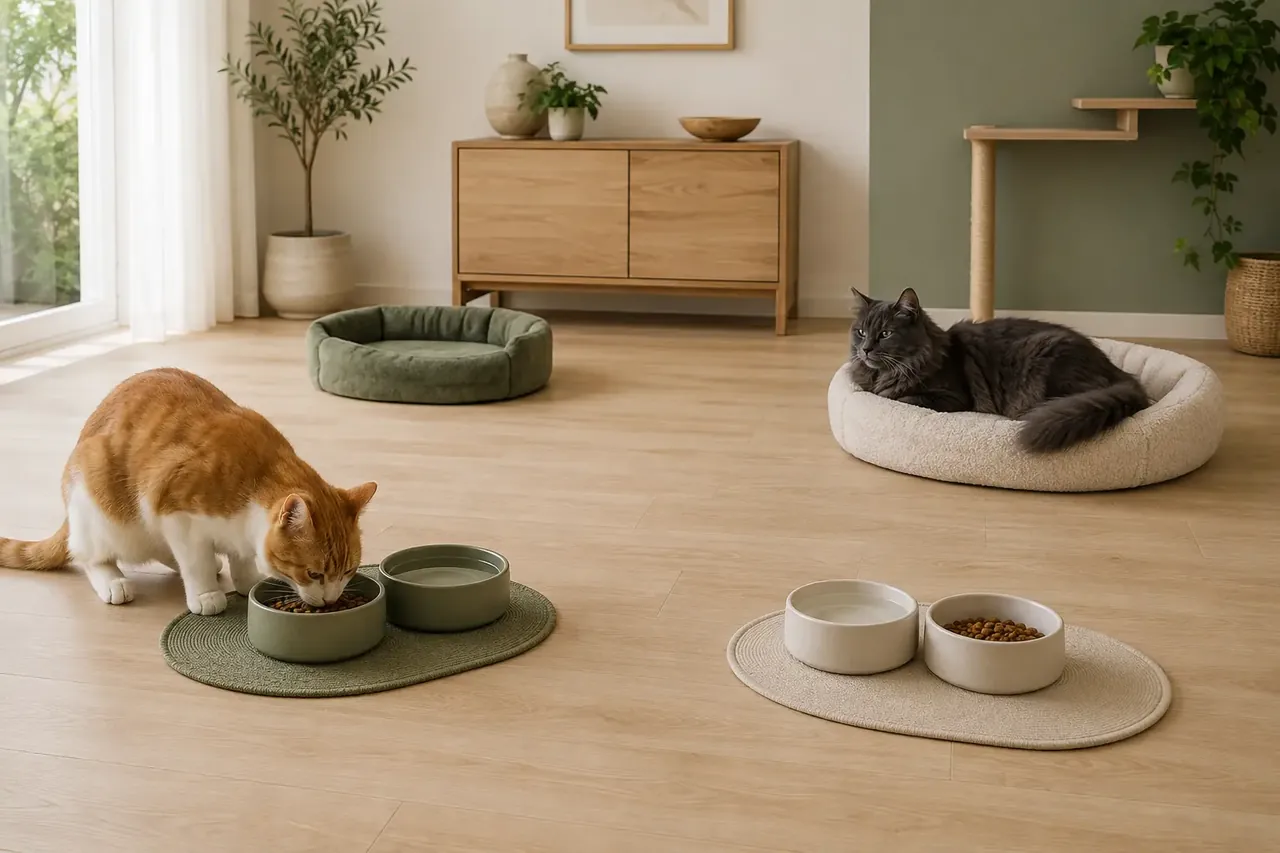
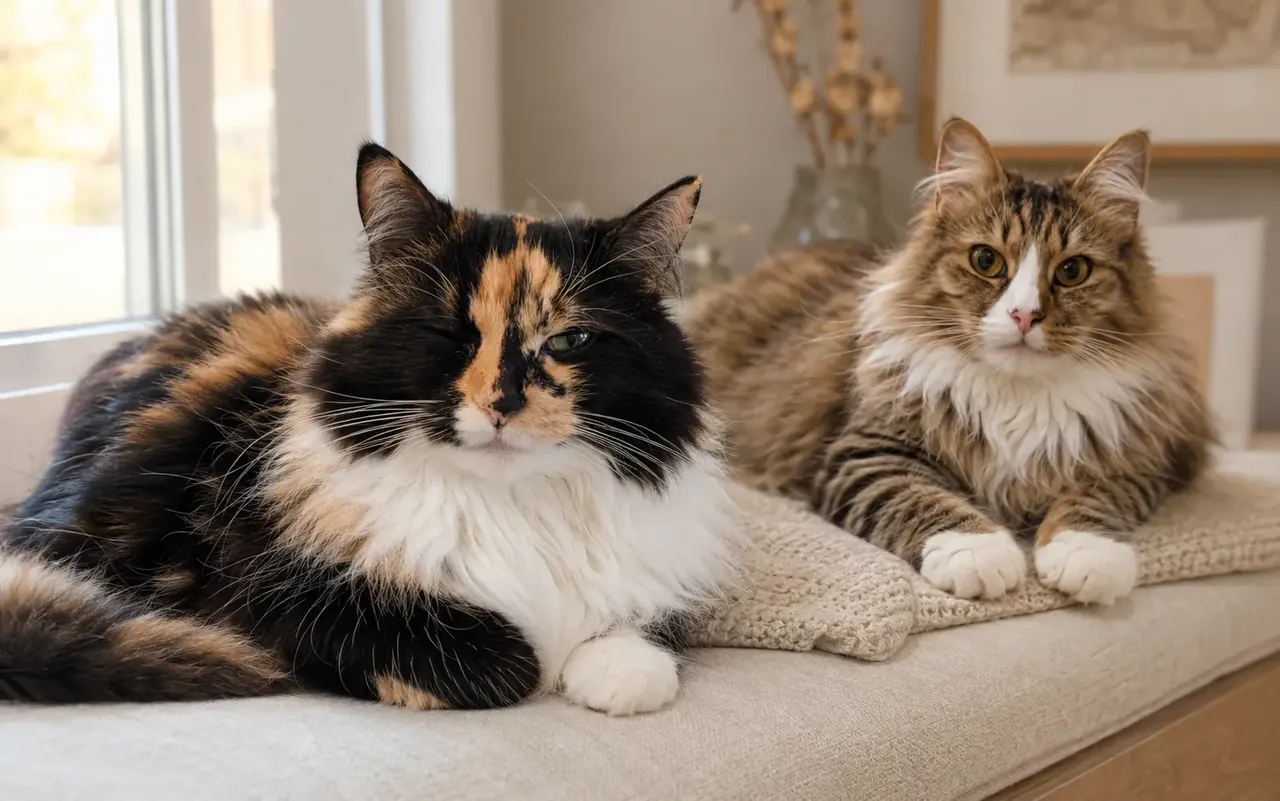 Topic illustration selected for this guide. Some learning images may be AI-assisted.
Why does my cat meow into an empty room — the quick answer
✓ Echoes, learned routines, contact calling and sounds people cannot detect can all make an empty room interesting.
✓ Observe: Note time, location, hearing, orientation and what response usually follows.
✓ Try this: Answer calmly once, check ordinary needs and avoid rewarding repeated demand calling with food.
Echoes, learned routines, contact calling and sounds people cannot detect can all make an empty room interesting. The useful question is not only what the moment resembles, but whether it fits this cat’s normal pattern. Context, frequency, recovery and accompanying changes make the interpretation safer and more accurate.
Check the ordinary room cues
Listen for plumbing, heating, appliances, neighbouring animals, outdoor birds and sounds reflected through vents or windows. Check moving shadows and insects without using pesticides around the cat. A room can seem empty to you while still providing useful sensory information.
Look at what the meow achieves
Note whether the cat leads you somewhere, waits for an answer, approaches a door or settles after contact. If calling reliably produces food or intense attention, it can become part of a learned routine. Respond calmly once and check needs without turning every call into a meal.
Compare orientation and hearing
Watch whether the cat locates familiar voices and household sounds, navigates normally and appears alert. Do not clap behind the cat or make loud noises to test hearing. A safe video with the time and trigger is more useful than repeatedly recreating the behaviour.
Make the room easy to understand
Use steady low lighting for a senior cat, keep routes to litter, water and beds familiar and reduce startling noises. Offer a predictable evening routine and nearby resting place. Do not close the cat in the room to prove whether the call stops.
When to contact a veterinarian
Arrange assessment for new persistent vocalising with confusion, night pacing, hearing or vision change, pain, increased hunger or thirst, weight loss or litter changes. Open-mouth breathing, collapse, inability to urinate or severe distress is urgent.
Your quick checklist
Loading saved progress…
Three simple things you can do
You do not have to change everything today. Pick one step that feels realistic, try it and see how your cat responds.
- 1Observe your cat’s individual baseline.
- 2Make one gentle change at a time.
- 3Ask a qualified professional when health or safety is involved.
Common mistakes
×Waiting for a dramatic symptom instead of noticing smaller changes from the cat’s normal routine.
×Changing several things at once, making it difficult to learn what actually helped.
×Treating general guidance as a substitute for advice from a veterinarian who knows the individual cat.
Questions cat people ask
Does every cat follow the same rule?+
No. Age, health, history, temperament and environment all change what works for an individual.
When should I seek professional help?+
Seek veterinary advice for sudden, persistent or concerning changes and urgent help for breathing difficulty, collapse, seizures, poisoning or urinary obstruction signs.
Still looking for the right answer?
Search the full EverYes Cats encyclopedia with your own words — a symptom, food, behaviour, breed or everyday question.
Checked, dated and transparent
- Prepared by
- EverYes Cats editorial team
- Last updated
- Source checked
- Primary reference
- FelineVMA: Feline Environmental Needs Guidelines ↗
We begin with the named reference, rewrite the information in plain language and add practical cat-parent steps. Urgent health statements are checked against veterinary sources. This guide has not been individually reviewed by a veterinarian unless explicitly stated. It provides education, not diagnosis or treatment.
How we choose and use sources →
Spotted something unclear or outdated? Tell us so we can review it.
Loading your saved choice…
A cat may drop toys in water through carrying, play or an individual storage routine. The important questions are whether the toy stays intact and whether dye, filler or debris contaminates the drinking water.
 01
 02
 03
 04