Why cats pretend to bury their food
Scraping beside the bowl may be an instinctive cover-up or feedback about the meal area.
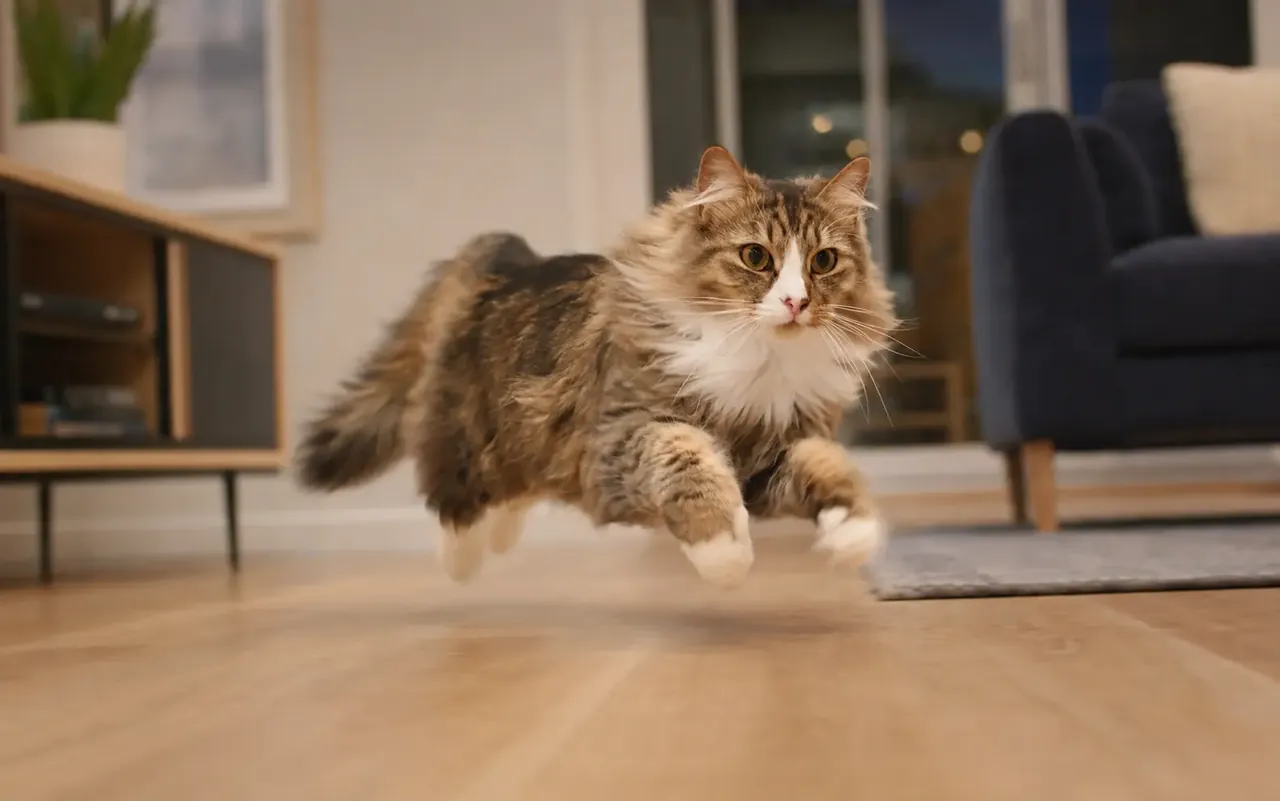 Topic illustration selected for this guide. Some learning images may be AI-assisted.
Why cats pretend to bury their food — the quick answer
✓ Cats may paw around food to conceal leftovers, respond to smell or tidy a feeding spot in their own way.
✓ Serve smaller fresh portions, clean the area and keep food away from litter trays.
✓ Contact a veterinarian when food covering comes with poor appetite, weight loss, drooling or vomiting.
Cats may paw around food to conceal leftovers, respond to smell or tidy a feeding spot in their own way. This guide separates the quick answer from the details that actually help at home, with no blame and no dramatic guessing.
The short answer
Cats may paw around food to conceal leftovers, respond to smell or tidy a feeding spot in their own way. The gesture is not proof the food is bad, but repeated refusal plus covering tells you to check freshness and appetite. The useful question is not simply whether something can happen, but what is normal for this individual cat and what has changed. Age, health, routine and previous experience can all change the safest answer.
What you can do today
Serve smaller fresh portions, clean the area and keep food away from litter trays. Keep the first step small and easy to reverse. A calm cat gives clearer information than a cat who has been chased, restrained or presented with several changes at once. If the situation is not urgent, give the adjustment enough time to judge fairly.
What to watch
Separate harmless scraping from reduced eating, nausea or mouth pain. Write down the time, frequency and what happened immediately before and after. Include appetite, drinking, litter-box use, movement and social behaviour when relevant. A photo or short video can help a veterinarian understand an intermittent sign, provided recording does not delay care.
What not to do
Do not keep offering many new foods in quick succession to tempt a cat who is unwell. Online tips can sound confident while missing the cat’s medical history, exact exposure or stress level. Avoid adding several remedies at once, because that makes both improvement and deterioration harder to interpret.
When to contact a veterinarian
Contact a veterinarian when food covering comes with poor appetite, weight loss, drooling or vomiting. Cats often hide pain, so a persistent small change may be more meaningful than one dramatic-looking moment. Difficulty breathing, collapse, seizures, suspected poisoning, uncontrolled bleeding or repeated straining with little or no urine requires emergency help.
A kind next step
Start with the simplest safe action from this guide and let your cat set the pace. Keep familiar food, water, litter and resting places available. Recheck the situation after the next normal routine point—a meal, nap, play session or litter visit—and compare it with your notes rather than memory alone.
Your quick checklist
Your progress is saved on this device.
Three simple things you can do
You do not have to change everything today. Pick one step that feels realistic, try it and see how your cat responds.
- 1Remove leftovers promptly and clean the surrounding surface.
- 2Offer a smaller measured portion if food is regularly left behind.
- 3Separate feeding stations in multi-cat homes and watch for competition.
Common mistakes
×Forcing the cat back to the bowl.
×Assuming burying always means the food is disliked.
×Leaving wet food out for long periods.
Questions cat people ask
Why does my cat scratch around the food bowl?+
The movement resembles covering or caching and may occur after eating, when food is unwanted or when its scent remains. It is usually instinctive rather than litter-box confusion.
Should I stop my cat from trying to bury food?+
Usually simple management is enough: remove leftovers, protect the floor and review portions. Investigate appetite loss, nausea or dental signs when eating also changes.
Still looking for the right answer?
Search the full EverYes Cats encyclopedia with your own words — a symptom, food, behaviour, breed or everyday question.
Checked, dated and transparent
- Prepared by
- EverYes Cats editorial team
- Last updated
- 8 August 2026
- Source checked
- 8 August 2026
- Primary reference
- FelineVMA — Feline Behavior Guidelines ↗
We begin with the named reference, rewrite the information in plain language and add practical cat-parent steps. Urgent health statements are checked against veterinary sources. This guide has not been individually reviewed by a veterinarian unless explicitly stated. It provides education, not diagnosis or treatment.
How we choose and use sources →
Spotted something unclear or outdated? Tell us so we can review it.
Your answer helps us improve the cat encyclopedia.
Cats can distinguish a familiar person's voice from unfamiliar voices.