Can cats eat ham?
Ham is too salty and processed to be a good cat treat, and glazes or seasoning may add further risks.
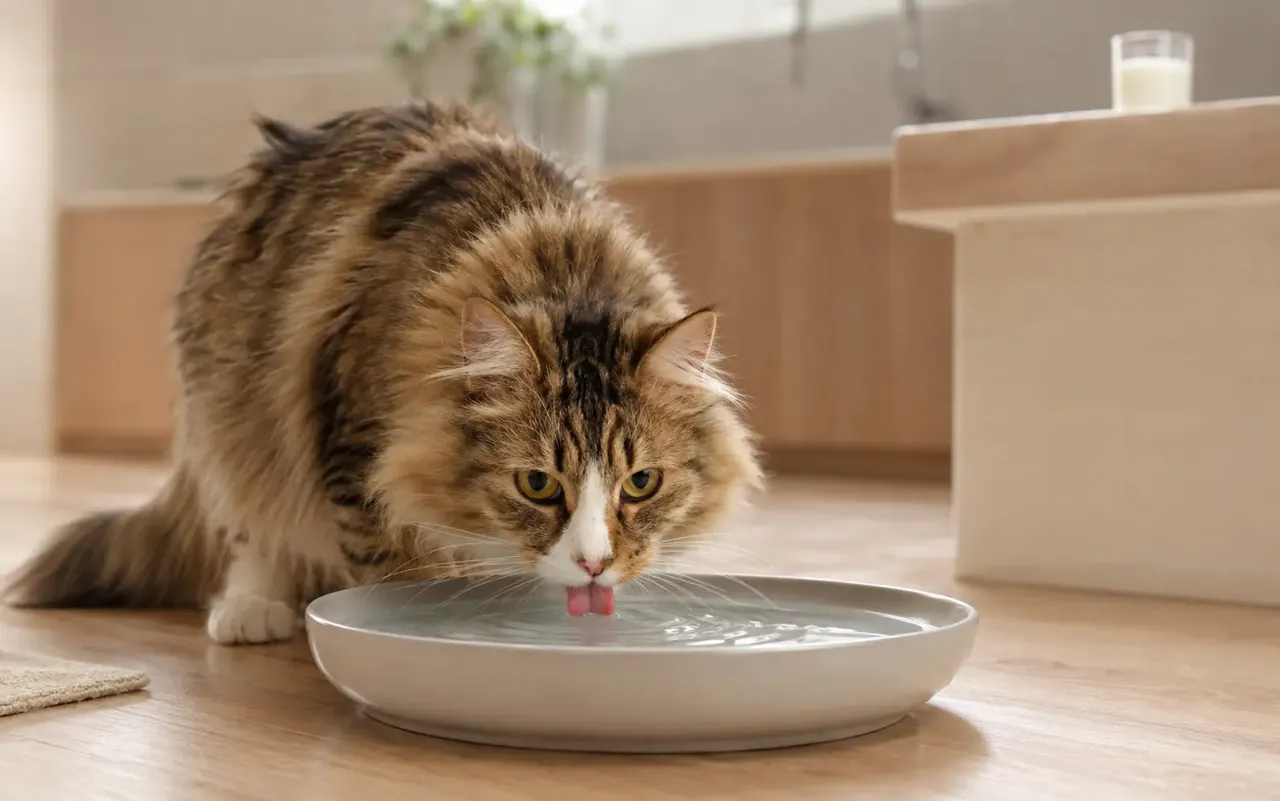 Topic illustration selected for this guide. Some learning images may be AI-assisted.
Ham is too salty and processed to be a good cat treat, and glazes or seasoning may add further risks.
Can cats eat ham — the quick answer
✓ A crumb of plain cooked ham is unlikely to harm most healthy cats, but ham should not become a routine treat.
✓ If you share any, choose an unglazed centre piece, remove fat and offer a piece smaller than your fingernail.
✓ Cats with kidney or heart disease, high blood pressure or a prescription diet should not be given ham without veterinary approval.
A crumb of plain cooked ham is unlikely to harm most healthy cats, but ham should not become a routine treat. This guide separates the quick answer from the details that actually help at home, with no blame and no dramatic guessing.
The short answer
A crumb of plain cooked ham is unlikely to harm most healthy cats, but ham should not become a routine treat. Cured ham is usually high in sodium and may contain sugar, smoke flavour, preservatives or seasoning. That is very different from plain cooked meat. The useful question is not simply whether something can happen, but what is normal for this individual cat and what has changed. Age, health, routine and previous experience can all change the safest answer.
What you can do today
If you share any, choose an unglazed centre piece, remove fat and offer a piece smaller than your fingernail. Keep the first step small and easy to reverse. A calm cat gives clearer information than a cat who has been chased, restrained or presented with several changes at once. If the situation is not urgent, give the adjustment enough time to judge fairly.
What to watch
Thirst, vomiting or diarrhoea after salty food is a reason to call for advice, particularly if a larger amount was eaten. Write down the time, frequency and what happened immediately before and after. Include appetite, drinking, litter-box use, movement and social behaviour when relevant. A photo or short video can help a veterinarian understand an intermittent sign, provided recording does not delay care.
What not to do
Skip rind, fat, glaze, honey ham, deli seasoning and ham cooked with onion or garlic. Online tips can sound confident while missing the cat’s medical history, exact exposure or stress level. Avoid adding several remedies at once, because that makes both improvement and deterioration harder to interpret.
When to contact a veterinarian
Cats with kidney or heart disease, high blood pressure or a prescription diet should not be given ham without veterinary approval. Cats often hide pain, so a persistent small change may be more meaningful than one dramatic-looking moment. Difficulty breathing, collapse, seizures, suspected poisoning, uncontrolled bleeding or repeated straining with little or no urine requires emergency help.
A kind next step
Start with the simplest safe action from this guide and let your cat set the pace. Keep familiar food, water, litter and resting places available. Recheck the situation after the next normal routine point—a meal, nap, play session or litter visit—and compare it with your notes rather than memory alone.
What to check first
Check labels for onion, garlic, sweeteners and high sodium. A human slice is a large portion for a cat.
What to do next
Choose a measured cat treat instead. After a tiny stolen piece, remove access, check ingredients and monitor the cat. Large ingestion, repeated vomiting, marked thirst, weakness or risky seasoning needs veterinary advice.
Your quick checklist
Your progress is saved on this device.
Three simple things you can do
You do not have to change everything today. Pick one step that feels realistic, try it and see how your cat responds.
- 1Prefer a low-salt plain meat alternative when offering a treat.
- 2If ham is offered, keep it to a tiny infrequent piece without glaze or seasoning.
- 3Check medical diet restrictions before giving processed meat.
Common mistakes
×Giving salty cured ham as a regular reward.
×Offering fatty rind or glazed ham containing onion or garlic.
×Assuming protein content makes processed meat healthy for cats.
Questions cat people ask
Can cats eat ham?+
A tiny piece is unlikely to harm many healthy cats, but ham is processed, salty and sometimes fatty, so it is not a good regular treat.
Can cats eat honey-glazed ham?+
Avoid it. Glazes and seasonings add sugar, salt and potentially unsafe ingredients such as onion or garlic.
Still looking for the right answer?
Search the full EverYes Cats encyclopedia with your own words — a symptom, food, behaviour, breed or everyday question.
Checked, dated and transparent
- Prepared by
- EverYes Cats editorial team
- Last updated
- 14 August 2026
- Source checked
- 14 August 2026
- Primary reference
- FEDIAF Nutritional Guidelines ↗
We begin with the named reference, rewrite the information in plain language and add practical cat-parent steps. Urgent health statements are checked against veterinary sources. This guide has not been individually reviewed by a veterinarian unless explicitly stated. It provides education, not diagnosis or treatment.
How we choose and use sources →
Spotted something unclear or outdated? Tell us so we can review it.
Your answer helps us improve the cat encyclopedia.
Pulling material over food may be an attempt to hide leftovers or respond to a strong smell. Learn what to observe, what to try safely and when to seek help.