Why does my cat prefer cardboard scratchers?
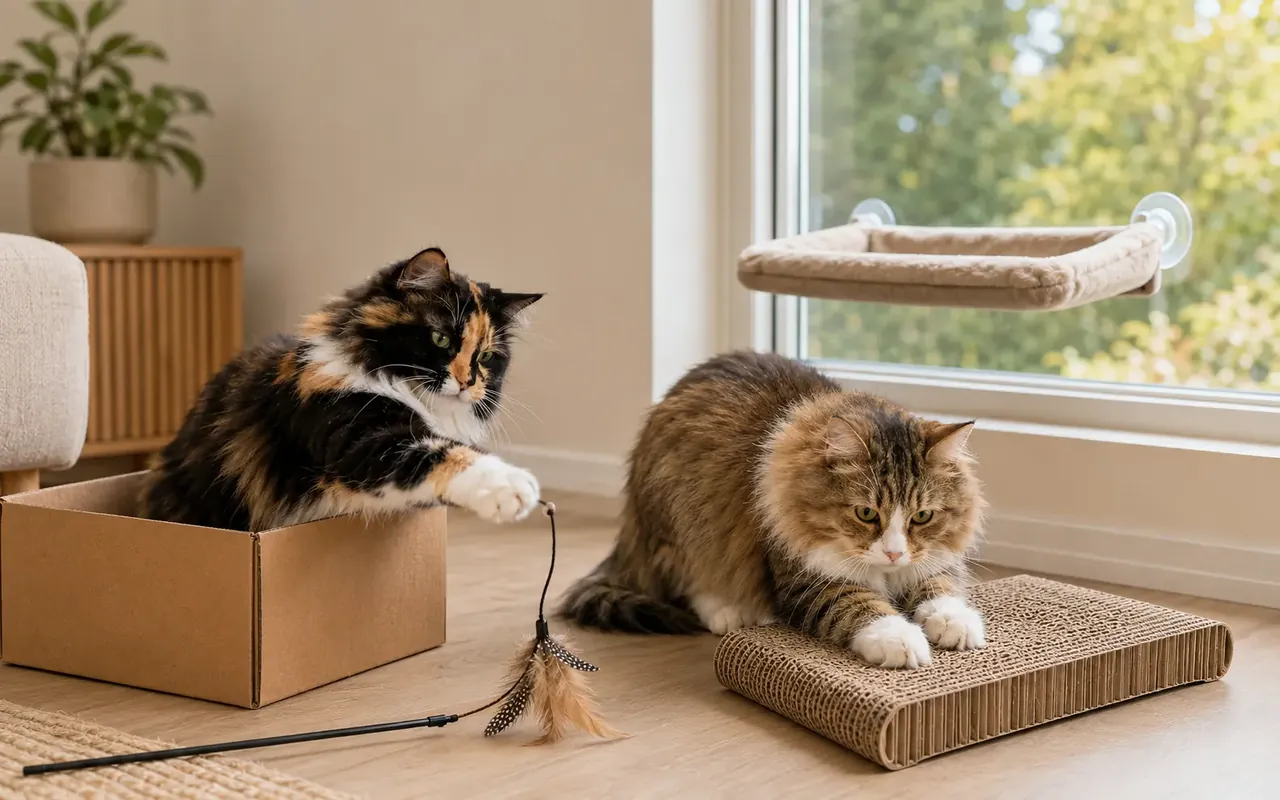
Many cats prefer cardboard because it grips the claws, gives visible feedback and is available horizontally. Preserve that preference with a stable, clean scratcher rather than trying to replace it with a texture the cat avoids.
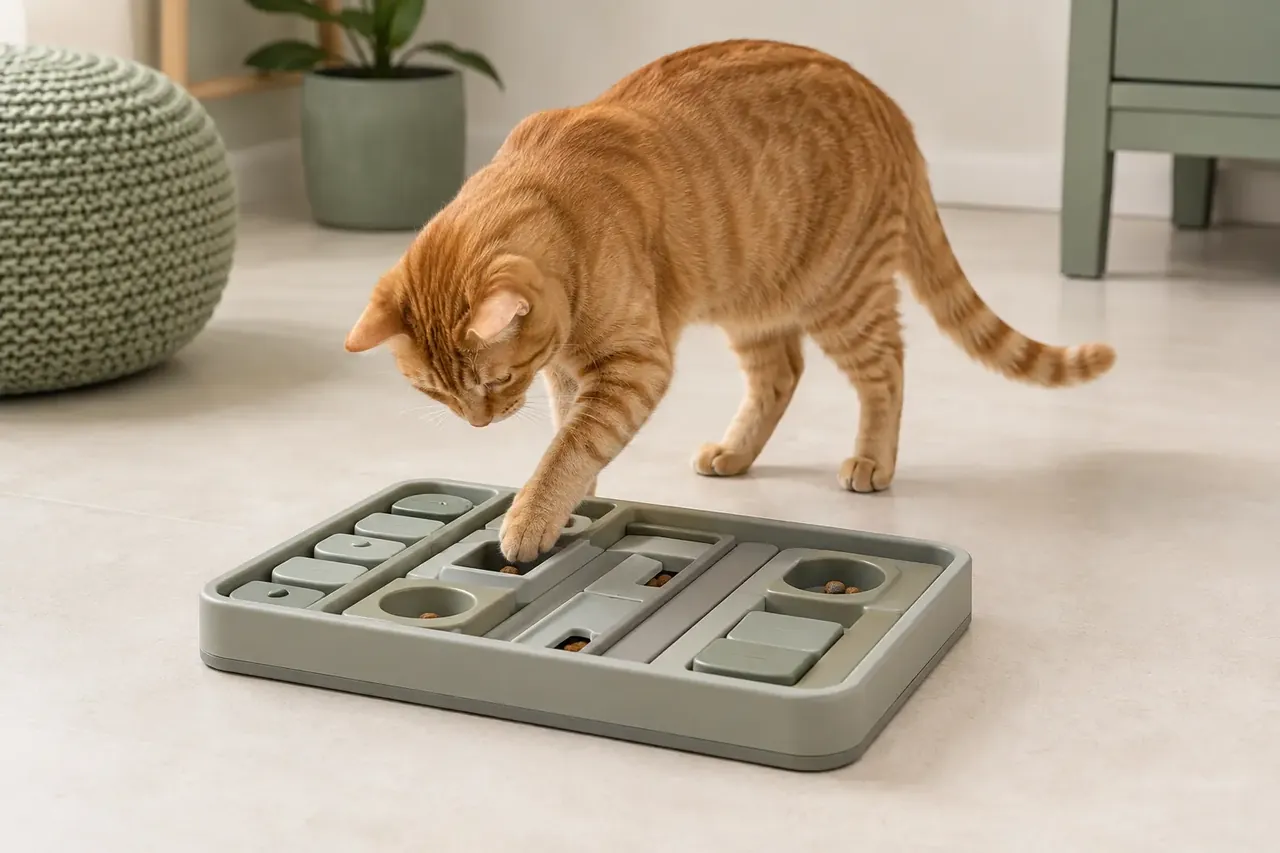 Topic illustration selected for this guide. Some learning images may be AI-assisted.
Why does my cat prefer cardboard scratchers — the quick answer
✓ Cardboard offers a satisfying texture, visible marks and a stable horizontal option for many cats.
✓ Observe first: Compare orientation, firmness, location and the cat’s full-body stretch.
✓ Act safely: Offer sturdy cardboard alongside other textures and replace it before loose pieces become swallowable.
Cardboard offers a satisfying texture, visible marks and a stable horizontal option for many cats.. This guide helps you separate an ordinary individual habit from a change worth acting on. Read the whole cat, the timing and the wider pattern rather than relying on one isolated sign.
What to observe
Notice whether the cat scratches horizontally, diagonally or vertically, after waking, during play or near an entrance. Compare the height, stability and location of accepted cardboard with ignored posts. Preference usually reflects the whole setup, not the price of the object.
What to do now
Place a broad stable cardboard scratcher where scratching already occurs and keep another near a sleeping area. Prevent sliding with a safe non-slip base, rotate or replace it before it collapses and reward voluntary use without carrying the cat onto it.
Offer variety without removing success
Add sisal, wood or fabric options in the same preferred orientation while keeping the cardboard available. Different cats and even different moments can call for different surfaces. In multi-cat homes, distribute scratchers so one cat cannot guard every choice.
Keep cardboard physically safe
Remove staples, tape, loose labels, long strips and wet or mouldy material. Replace heavily chewed or unstable boards and monitor cats that swallow cardboard. Avoid spraying fragrance, essential oil or chemical deterrent on a surface the cat contacts closely.
When to contact a veterinarian
A sudden change in scratching, reluctance to extend the body, limping, swollen toes, broken claws or persistent chewing needs veterinary assessment. Suspected swallowed material with vomiting, pain or reduced stool also needs advice.
Your quick checklist
Loading saved progress…
Three simple things you can do
You do not have to change everything today. Pick one step that feels realistic, try it and see how your cat responds.
- 1Observe your cat’s individual baseline.
- 2Make one gentle change at a time.
- 3Ask a qualified professional when health or safety is involved.
Common mistakes
×Waiting for a dramatic symptom instead of noticing smaller changes from the cat’s normal routine.
×Changing several things at once, making it difficult to learn what actually helped.
×Treating general guidance as a substitute for advice from a veterinarian who knows the individual cat.
Questions cat people ask
Does every cat follow the same rule?+
No. Age, health, history, temperament and environment all change what works for an individual.
When should I seek professional help?+
Seek veterinary advice for sudden, persistent or concerning changes and urgent help for breathing difficulty, collapse, seizures, poisoning or urinary obstruction signs.
Still looking for the right answer?
Search the full EverYes Cats encyclopedia with your own words — a symptom, food, behaviour, breed or everyday question.
Checked, dated and transparent
- Prepared by
- EverYes Cats editorial team
- Last updated
- Source checked
- Primary reference
- International Cat Care: Making Your Home Cat Friendly ↗
We begin with the named reference, rewrite the information in plain language and add practical cat-parent steps. Urgent health statements are checked against veterinary sources. This guide has not been individually reviewed by a veterinarian unless explicitly stated. It provides education, not diagnosis or treatment.
How we choose and use sources →
Spotted something unclear or outdated? Tell us so we can review it.
Loading your saved choice…
A short catchable play session before a measured meal can create a predictable hunt–eat–rest routine. Keep it voluntary and moderate, and never delay necessary food, medication or care to complete the sequence.
 01
 02
 03
 04