Why does my cat ignore expensive toys?
A cat may ignore an expensive toy because its movement, texture, sound or location does not match current hunting motivation. Value comes from safe engagement and rotation—not cost, novelty or constant availability.
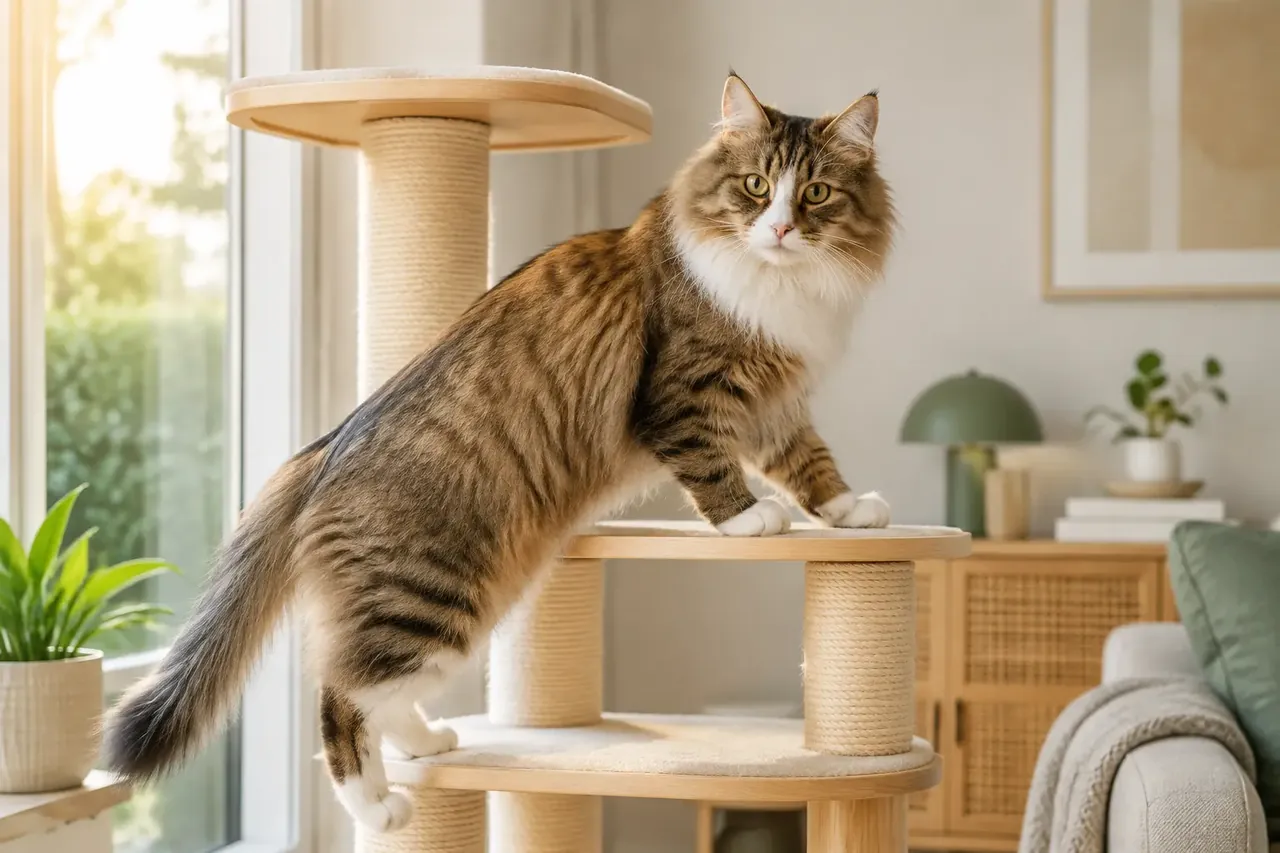 Topic illustration selected for this guide. Some learning images may be AI-assisted.
Why does my cat ignore expensive toys — the quick answer
✓ Price does not predict whether movement, texture, size and sound match an individual cat’s hunting preferences.
✓ Observe first: List which simple objects trigger stalking, chasing and catching without frustration.
✓ Act safely: Rotate a few safe toys and imitate the preferred prey pattern during short sessions.
Price does not predict whether movement, texture, size and sound match an individual cat’s hunting preferences.. This guide helps you separate an ordinary individual habit from a change worth acting on. Read the whole cat, the timing and the wider pattern rather than relying on one isolated sign.
What to observe
Record which simple objects trigger stalking, chasing, pouncing or carrying, and at what time. Note movement direction, size, sound, surface and whether a person is involved. Watching without touching may still be interest, while leaving the room signals the session is too intense or irrelevant.
What to do now
Put most toys away and offer one or two during a short predictable play period. Move an interactive toy away from the cat like prey, allow capture and finish calmly. Stop before exhaustion and store string, wand and feather toys securely afterward.
Change presentation before buying more
Try the toy in a different room, on another floor surface or after several days out of sight. Some cats prefer ground movement, hiding behind an object or quiet prey. Never frighten the cat with sudden activation or place a noisy automatic toy beside food, litter or rest.
Inspect every product
Check seams, strings, feathers, bells, batteries, charging cables and small detachable parts before each use. Follow age and supervision instructions and discard damage promptly. Expensive electronics are not automatically safer than a plain ball or paper item designed without swallowable pieces.
When to contact a veterinarian
Reduced play alone may reflect age or preference, but a sudden drop with hiding, stiffness, poor appetite, breathing change or pain needs veterinary assessment. Suspected battery, string or toy-part ingestion requires prompt advice.
Your quick checklist
Loading saved progress…
Three simple things you can do
You do not have to change everything today. Pick one step that feels realistic, try it and see how your cat responds.
- 1Observe your cat’s individual baseline.
- 2Make one gentle change at a time.
- 3Ask a qualified professional when health or safety is involved.
Common mistakes
×Waiting for a dramatic symptom instead of noticing smaller changes from the cat’s normal routine.
×Changing several things at once, making it difficult to learn what actually helped.
×Treating general guidance as a substitute for advice from a veterinarian who knows the individual cat.
Questions cat people ask
Does every cat follow the same rule?+
No. Age, health, history, temperament and environment all change what works for an individual.
When should I seek professional help?+
Seek veterinary advice for sudden, persistent or concerning changes and urgent help for breathing difficulty, collapse, seizures, poisoning or urinary obstruction signs.
Still looking for the right answer?
Search the full EverYes Cats encyclopedia with your own words — a symptom, food, behaviour, breed or everyday question.
Checked, dated and transparent
- Prepared by
- EverYes Cats editorial team
- Last updated
- Source checked
- Primary reference
- FelineVMA: Positive Reinforcement Training ↗
We begin with the named reference, rewrite the information in plain language and add practical cat-parent steps. Urgent health statements are checked against veterinary sources. This guide has not been individually reviewed by a veterinarian unless explicitly stated. It provides education, not diagnosis or treatment.
How we choose and use sources →
Spotted something unclear or outdated? Tell us so we can review it.
Loading your saved choice…
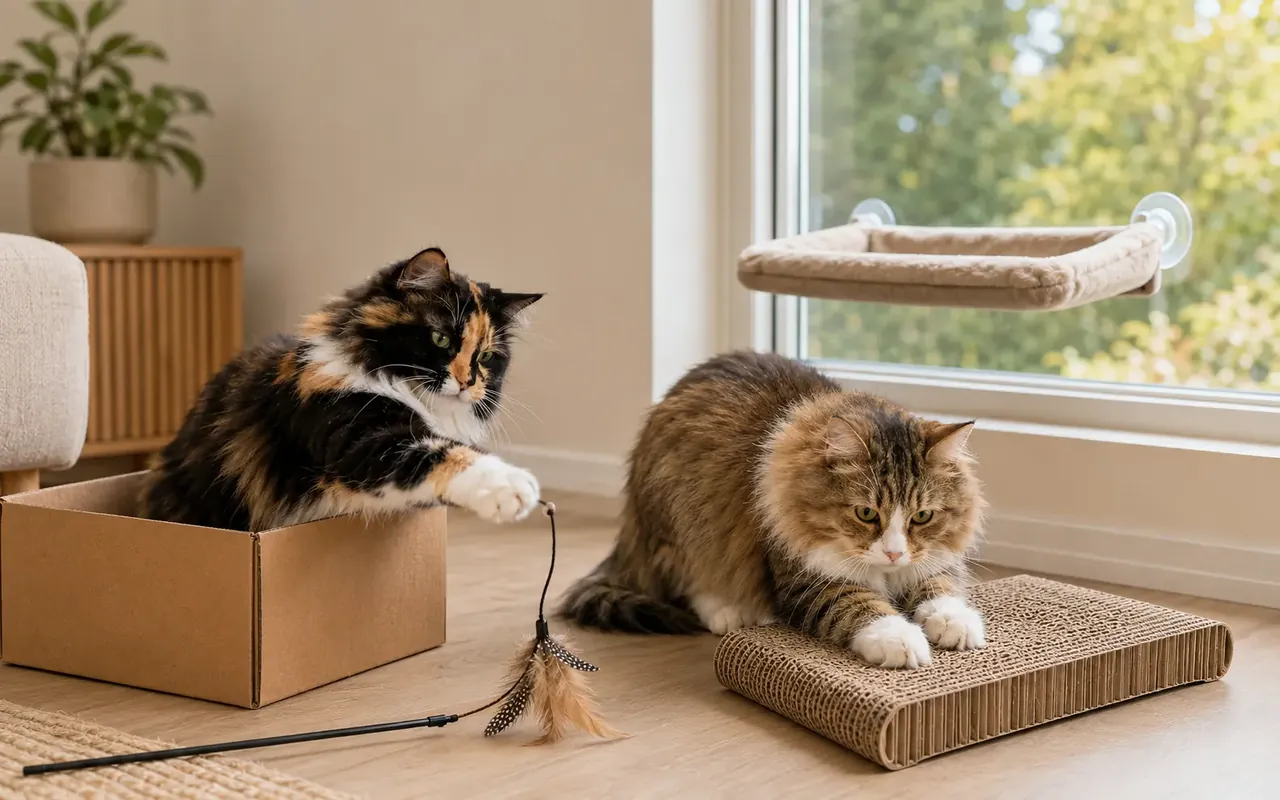
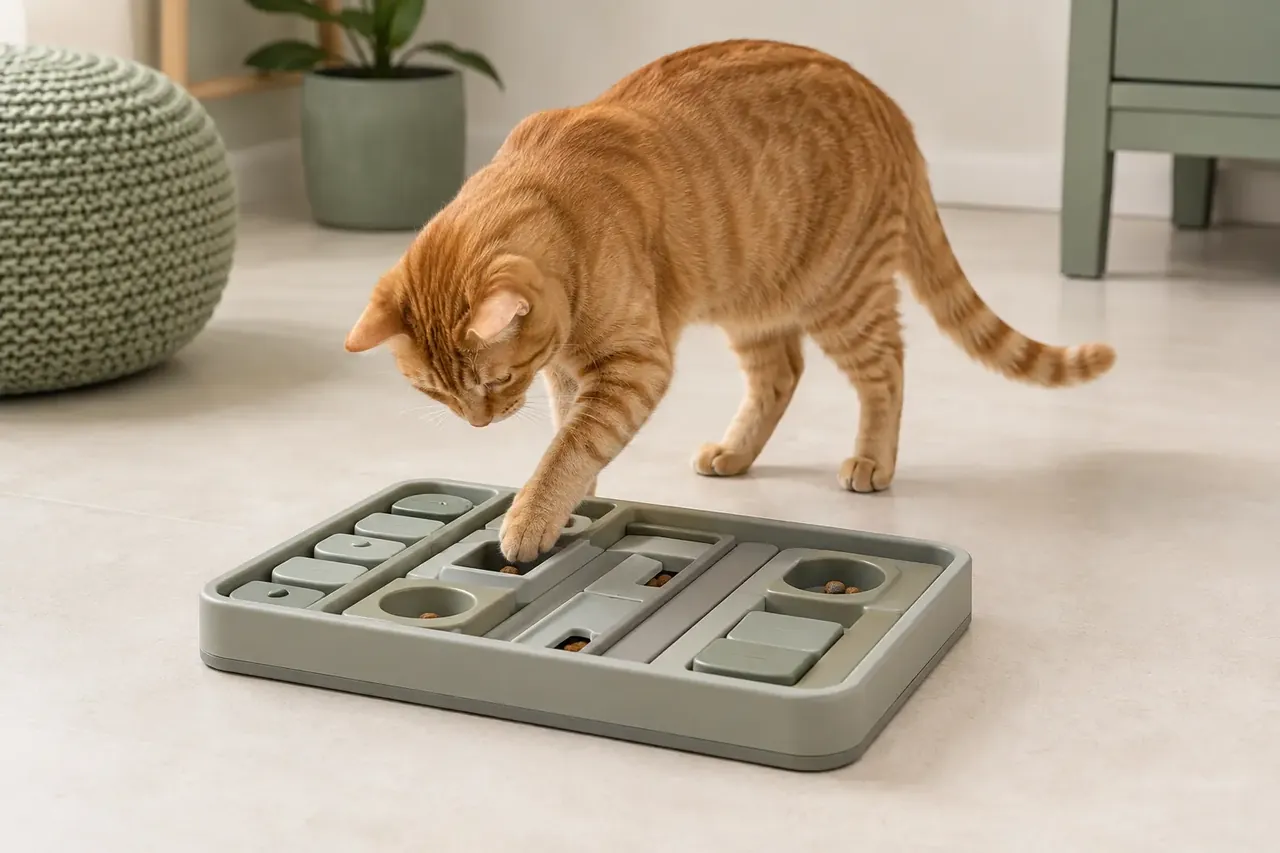
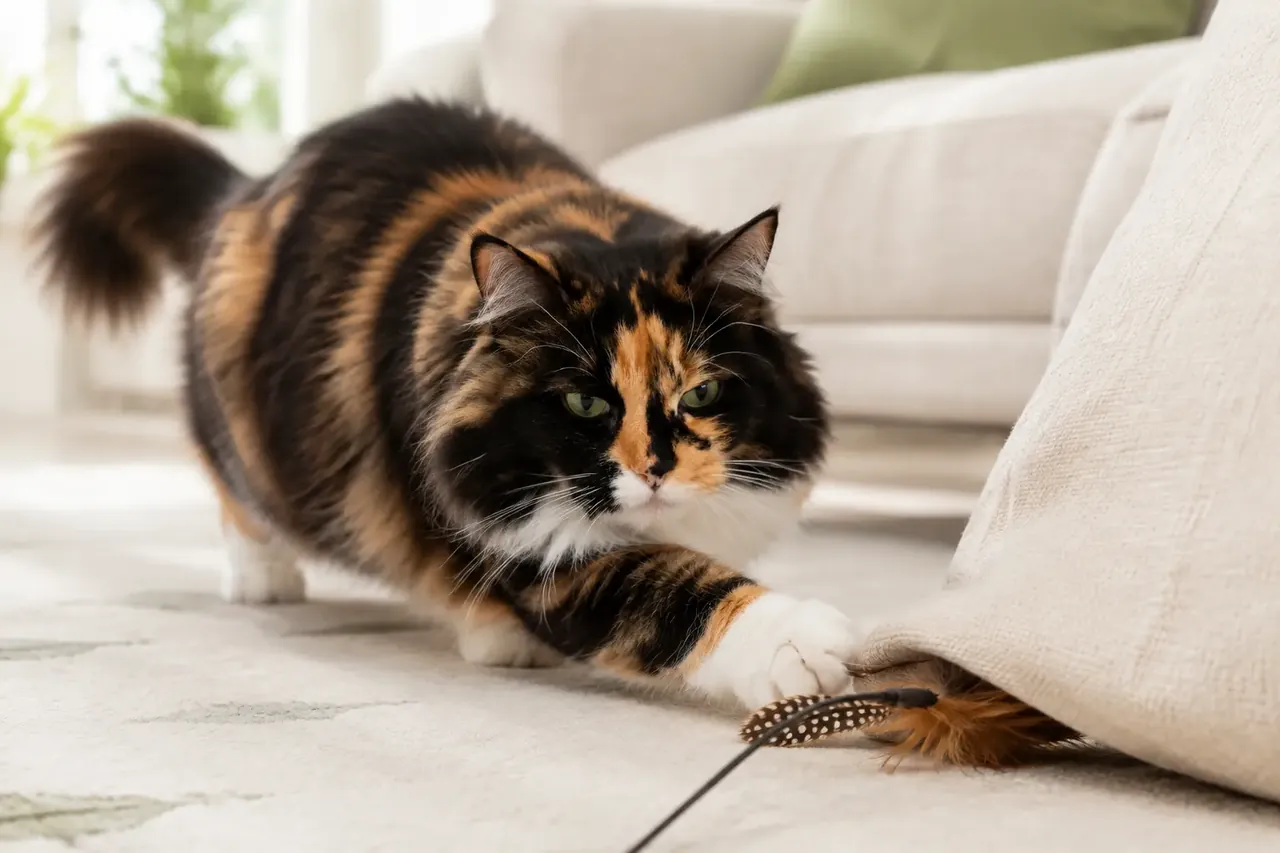
A rainy day can include short scent searches, catchable prey play, cardboard exploration and simple food puzzles. Choose two or three activities that fit the cat's age and mobility, with rest and choice between sessions.
 01
 02
 03
 05