Why cats paw at their water bowl
A cat may paw at water to test depth, create visible movement, play or cope with an uncomfortable bowl setup. Improve stability and visibility while watching for coordination problems or excessive thirst.
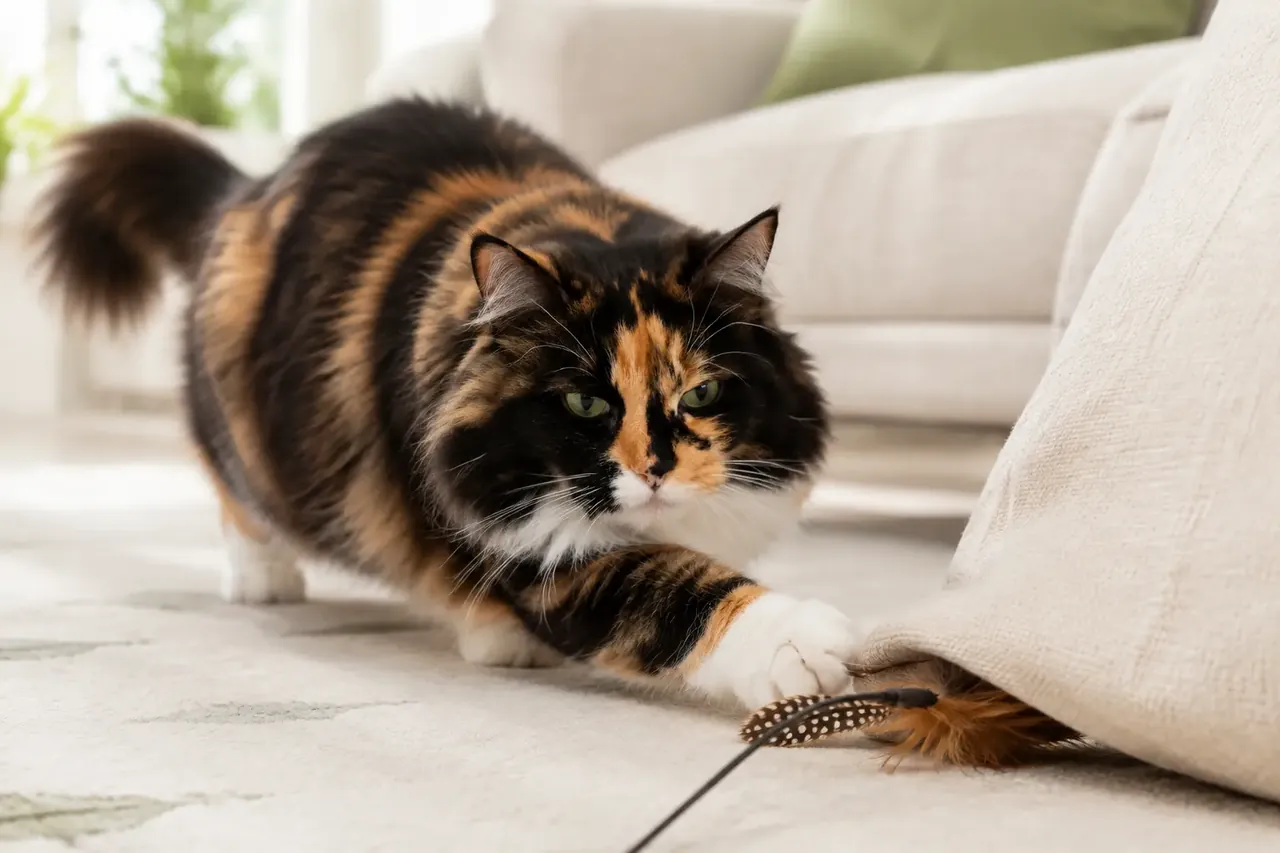
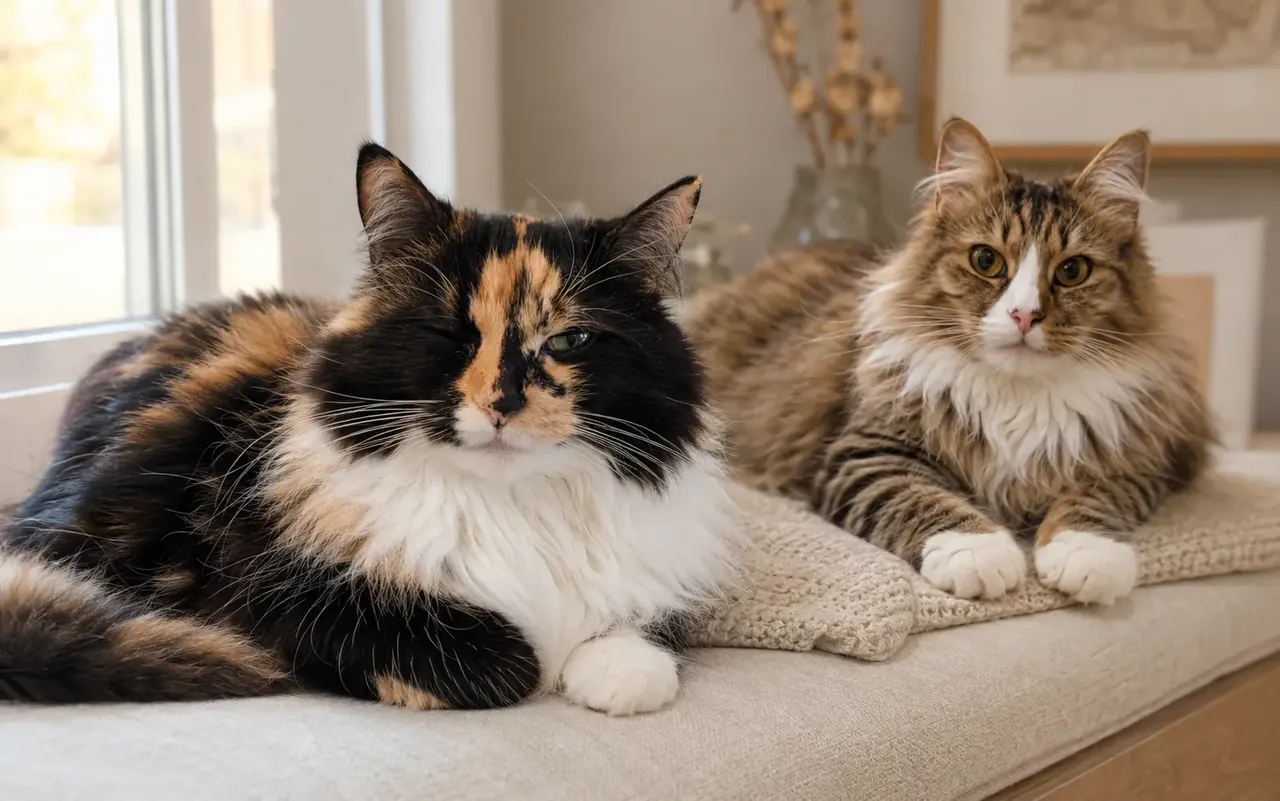 Topic illustration selected for this guide. Some learning images may be AI-assisted.
Why cats paw at their water bowl — the quick answer
✓ Pawing can test depth, make water easier to see or create movement. Reflections and a cramped bowl can contribute.
✓ Try a heavy wide shallow bowl on a waterproof mat and offer a second station with a different vessel.
✓ Read the complete body and setting
✓ Difficulty coordinating drinking, coughing after water or dramatically increased thirst requires care.
A paw touches the surface, flicks droplets and may return to the mouth. Pawing can test depth, make water easier to see or create movement. Reflections and a cramped bowl can contribute. This guide helps you read the moment, protect the relationship and choose a response that works for the cat as well as the household.
What the paw may be doing
Still clear water can be difficult to judge against a reflective bowl, and touching the surface creates ripples. A cat may also wet a paw to lick, investigate a new vessel or repeat an enjoyable play pattern. One splash has no single meaning.
Change one bowl feature at a time
Try a heavy, wide, shallow ceramic, glass or stainless-steel bowl on a waterproof non-slip mat. Fill to a consistent level and place a second station elsewhere. Changing width, material, location and water type together makes preference impossible to identify.
Separate play from hydration
Offer water play only in a safe shallow supervised setup and keep the main drinking station calm and accessible. Dry wet floors promptly to prevent slips. Do not punish splashing or hold a paw in the water.
Watch how drinking works
Confirm that the cat can lower the head, lap, swallow and walk away comfortably. Coughing, gagging, repeatedly missing the surface, head tilt or new reliance on the paw may indicate mouth, vision, balance or neurological difficulty.
When to seek veterinary advice
Arrange assessment for a sudden change, reduced drinking, dramatically increased thirst, coughing after water, weakness or poor coordination. Repeated vomiting, collapse, breathing difficulty or inability to drink safely needs urgent care.
Your quick checklist
Loading saved progress…
Three simple things you can do
You do not have to change everything today. Pick one step that feels realistic, try it and see how your cat responds.
- 1Observe your cat’s individual baseline.
- 2Make one gentle change at a time.
- 3Ask a qualified professional when health or safety is involved.
Common mistakes
×Waiting for a dramatic symptom instead of noticing smaller changes from the cat’s normal routine.
×Changing several things at once, making it difficult to learn what actually helped.
×Treating general guidance as a substitute for advice from a veterinarian who knows the individual cat.
Questions cat people ask
Does every cat follow the same rule?+
No. Age, health, history, temperament and environment all change what works for an individual.
When should I seek professional help?+
Seek veterinary advice for sudden, persistent or concerning changes and urgent help for breathing difficulty, collapse, seizures, poisoning or urinary obstruction signs.
Still looking for the right answer?
Search the full EverYes Cats encyclopedia with your own words — a symptom, food, behaviour, breed or everyday question.
Checked, dated and transparent
- Prepared by
- EverYes Cats editorial team
- Last updated
- Source checked
- Primary reference
- FelineVMA: Healthy feline environment ↗
We begin with the named reference, rewrite the information in plain language and add practical cat-parent steps. Urgent health statements are checked against veterinary sources. This guide has not been individually reviewed by a veterinarian unless explicitly stated. It provides education, not diagnosis or treatment.
How we choose and use sources →
Spotted something unclear or outdated? Tell us so we can review it.
Loading your saved choice…
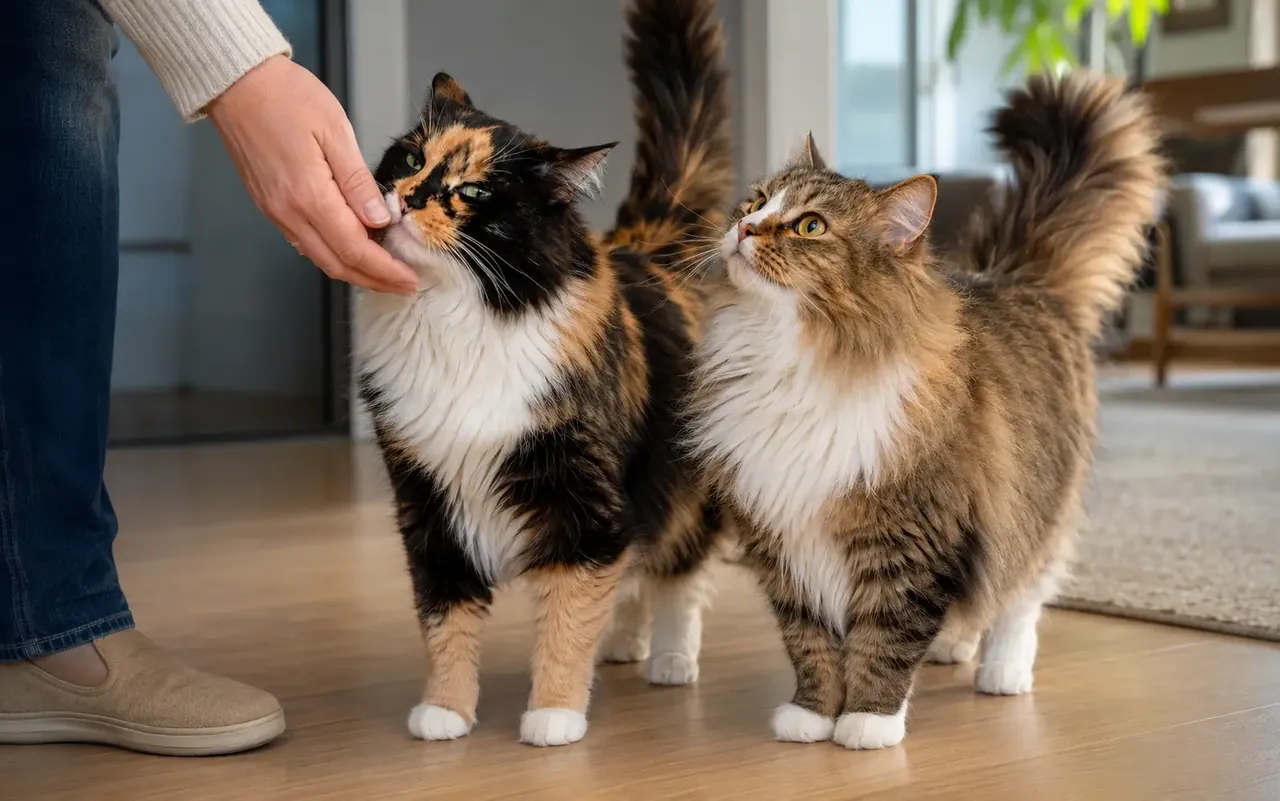
A gentle paw to the face may request contact, food, space or a change in interaction. Read claws and body tension, protect eyes and reward a safer communication option.
 01
 02
 04
 05
 06