My cat is not eating: when to call a vet
A practical timeline for appetite loss, nausea clues and urgent warning signs.
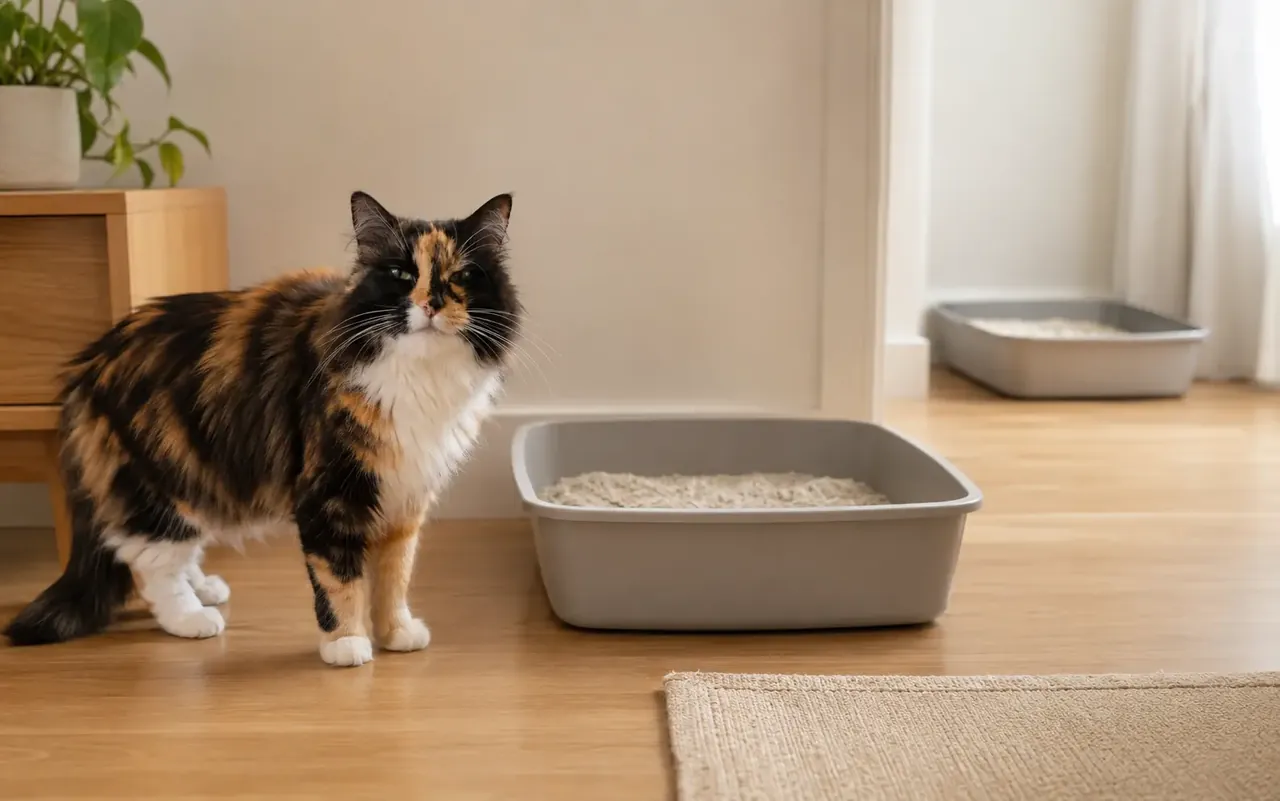 Topic illustration selected for this guide. Some learning images may be AI-assisted.
My cat is not eating: when to call a vet — the quick answer
✓ Contact a veterinarian the same day for sustained food refusal
✓ Never force-feed unless a veterinary professional instructs you
✓ Kittens, seniors and cats with illness need earlier advice
✓ Breathing trouble, collapse or repeated vomiting is urgent
A missed snack is different from a cat refusing food. Because cats can become seriously unwell when they do not eat, appetite loss should be treated as a health sign—not a battle of wills.
Define what changed
Check whether your cat ate less, refused one food, or stopped eating completely. Confirm that another pet did not eat the meal and note the last time you saw a normal portion disappear.
Look for nausea or pain
Lip licking, drooling, approaching food then turning away, hiding, vomiting, bad breath or dropping food can accompany nausea or mouth pain. Cats may still ask for food but be unable to eat comfortably.
What you can do safely
Offer a fresh portion of familiar complete food in a quiet place. Slightly warming wet food may increase aroma. Keep water available, but do not syringe food or give human medicine.
When to call
Call the same day if a cat has stopped eating or intake is clearly reduced and not recovering. Seek urgent care when appetite loss comes with weakness, breathing difficulty, collapse, severe pain, repeated vomiting or suspected toxin exposure.
What the clinic needs
Share the last normal meal, approximate amount eaten, drinking and litter changes, recent diet changes, medications, possible foreign objects and any vomiting. A short video of unusual chewing can be useful.
Your quick checklist
Your progress is saved on this device.
Three simple things you can do
You do not have to change everything today. Pick one step that feels realistic, try it and see how your cat responds.
- 1Confirm the last time and approximate amount your cat actually ate, separating pets at the next offered meal.
- 2Call a veterinarian the same day for sustained refusal and sooner for kittens, seniors or cats with known illness.
- 3Offer a small fresh portion of familiar food while following the clinic's instructions; never force-feed or give human medicine.
Common mistakes
×Waiting several days because the cat is still drinking.
×Repeatedly changing foods without arranging veterinary assessment.
×Syringe-feeding, appetite medicines or home remedies without professional instruction.
Questions cat people ask
How long can a cat safely go without eating?+
There is no safe universal waiting period. Cats can develop serious complications, and the cause may already need treatment; contact a veterinarian the same day when meaningful food refusal persists.
Is it urgent if my cat wants food but walks away?+
Yes, that pattern can accompany nausea, mouth pain or difficulty swallowing. Drooling, vomiting, weakness, breathing change, possible toxin exposure or complete refusal increases urgency.
Still looking for the right answer?
Search the full EverYes Cats encyclopedia with your own words — a symptom, food, behaviour, breed or everyday question.
Checked, dated and transparent
- Prepared by
- EverYes Cats editorial team
- Last updated
- 7 August 2026
- Source checked
- 7 August 2026
- Primary reference
- Cornell Feline Health Center ↗
We begin with the named reference, rewrite the information in plain language and add practical cat-parent steps. Urgent health statements are checked against veterinary sources. This guide has not been individually reviewed by a veterinarian unless explicitly stated. It provides education, not diagnosis or treatment.
Spotted something unclear or outdated? Tell us so we can review it.
Your answer helps us improve the cat encyclopedia.
What to record, what not to give and when repeated vomiting needs care.