Cat symptom guide: Hiding more than usual
More hiding than usual can be an early sign of pain, illness, fear or conflict. Let the cat keep a safe retreat while comparing appetite, litter use, movement and social behaviour with its normal pattern.
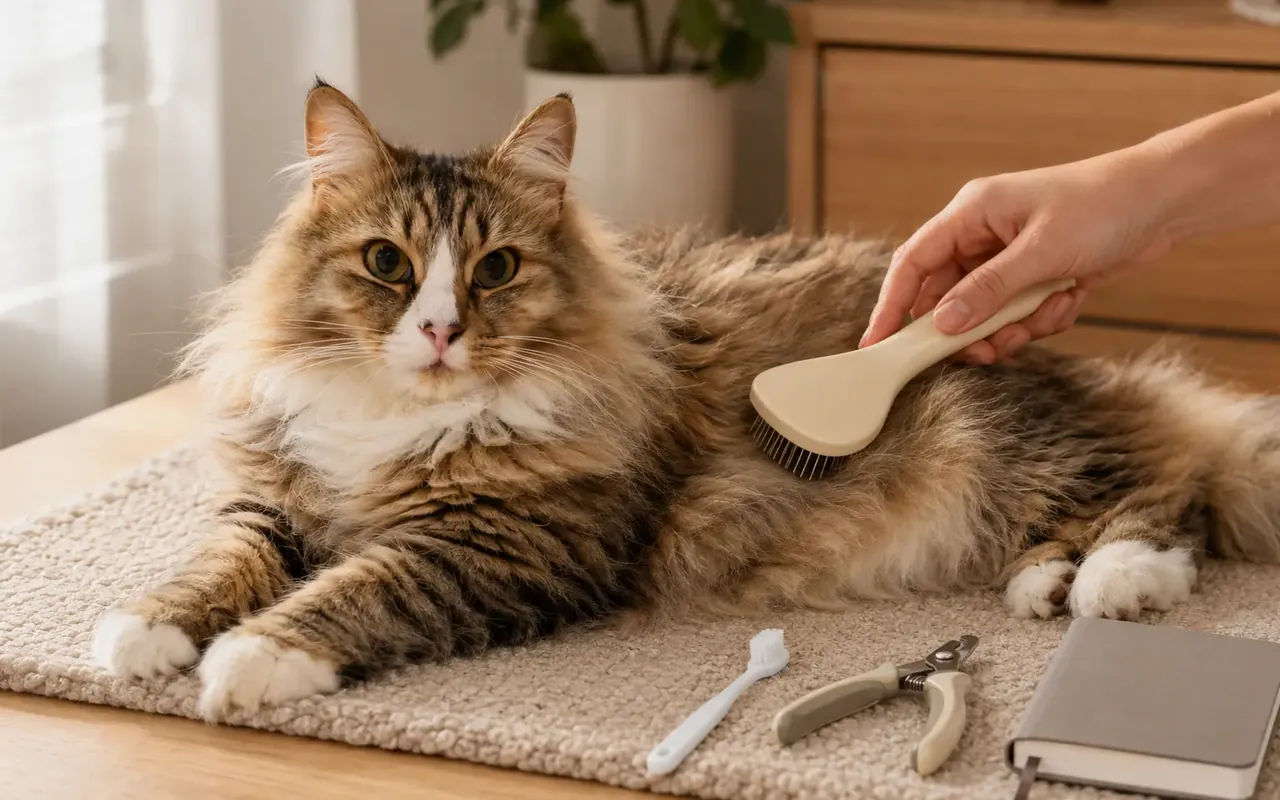 Topic illustration selected for this guide. Some learning images may be AI-assisted.
Cat symptom guide: Hiding more than usual — the quick answer
✓ Watch the whole pattern
✓ Check appetite, litter use and movement, then contact a vet if it persists or comes with changes.
✓ Record timing, frequency and related changes
A symptom is information, not a diagnosis. A new hiding pattern can be an early sign of fear, pain or illness. When in doubt, a veterinary professional can triage the situation using your cat's age, history and current signs.
Compare with the normal routine
Note when the change began, which places are used and whether the cat still emerges for meals, water, litter, grooming and familiar contact. Ordinary quiet rest differs from remaining withdrawn through normally valued activities.
Check health signals first
Track measured food intake, drinking, urine, stool, vomiting, breathing, walking and comfort. Look for squinting, a hunched posture, reduced jumping or poor grooming. Do not assume fear when pain or illness could explain the change.
Look for environmental pressure
Consider visitors, noise, a new animal, changed furniture, blocked routes or another cat watching doors and resources. Keep food, water and litter accessible without forcing the cat across a busy or guarded area.
Support without pulling the cat out
Restore predictable routines, sit nearby without reaching in and offer familiar play or food at a comfortable distance. Never drag, corner or punish a hiding cat. Block only physically dangerous spaces after providing a safer retreat.
When to seek professional help
Prompt veterinary advice is needed with reduced eating, pain, repeated vomiting, urinary change, weakness, breathing difficulty or a sudden personality shift. Inability to urinate, collapse or breathing distress is an emergency.
Your quick checklist
Your progress is saved on this device.
Three simple things you can do
You do not have to change everything today. Pick one step that feels realistic, try it and see how your cat responds.
- 1Observe your cat’s individual baseline.
- 2Make one gentle change at a time.
- 3Ask a qualified professional when health or safety is involved.
Common mistakes
×Waiting for a dramatic symptom instead of noticing smaller changes from the cat’s normal routine.
×Changing several things at once, making it difficult to learn what actually helped.
×Treating general guidance as a substitute for advice from a veterinarian who knows the individual cat.
Questions cat people ask
Does every cat follow the same rule?+
No. Age, health, history, temperament and environment all change what works for an individual.
When should I seek professional help?+
Seek veterinary advice for sudden, persistent or concerning changes and urgent help for breathing difficulty, collapse, seizures, poisoning or urinary obstruction signs.
Still looking for the right answer?
Search the full EverYes Cats encyclopedia with your own words — a symptom, food, behaviour, breed or everyday question.
Checked, dated and transparent
- Prepared by
- EverYes Cats editorial team
- Last updated
- Source checked
- Primary reference
- FelineVMA: Environmental Needs Guidelines ↗
We begin with the named reference, rewrite the information in plain language and add practical cat-parent steps. Urgent health statements are checked against veterinary sources. This guide has not been individually reviewed by a veterinarian unless explicitly stated. It provides education, not diagnosis or treatment.
How we choose and use sources →
Spotted something unclear or outdated? Tell us so we can review it.
Your answer helps us improve the cat encyclopedia.
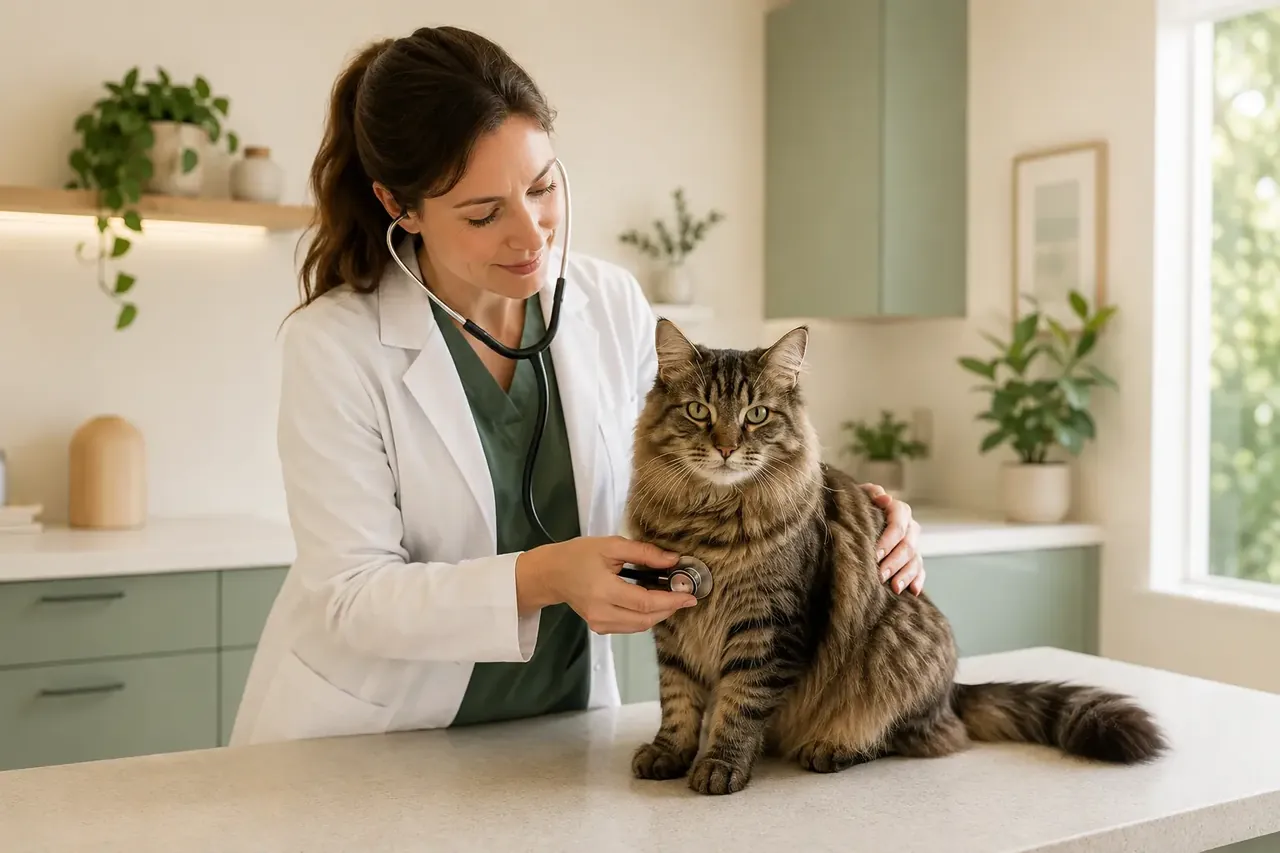
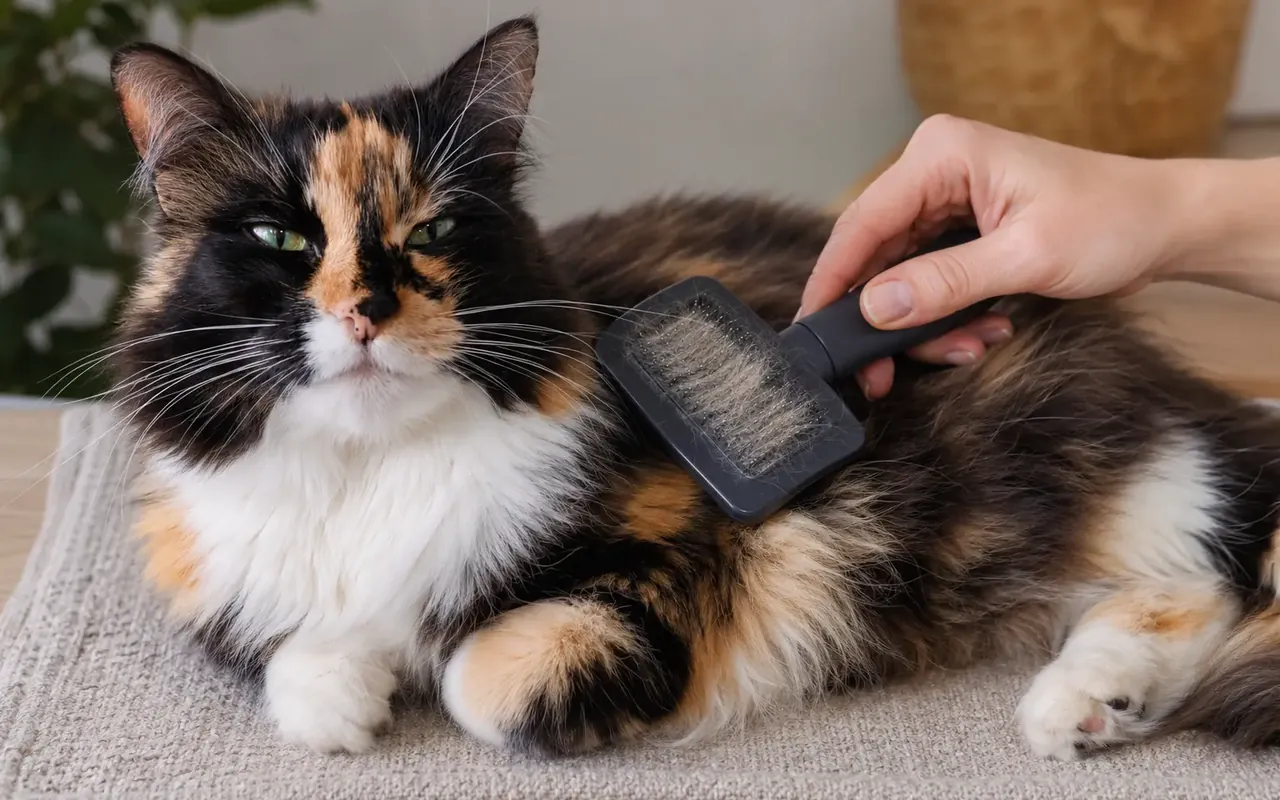
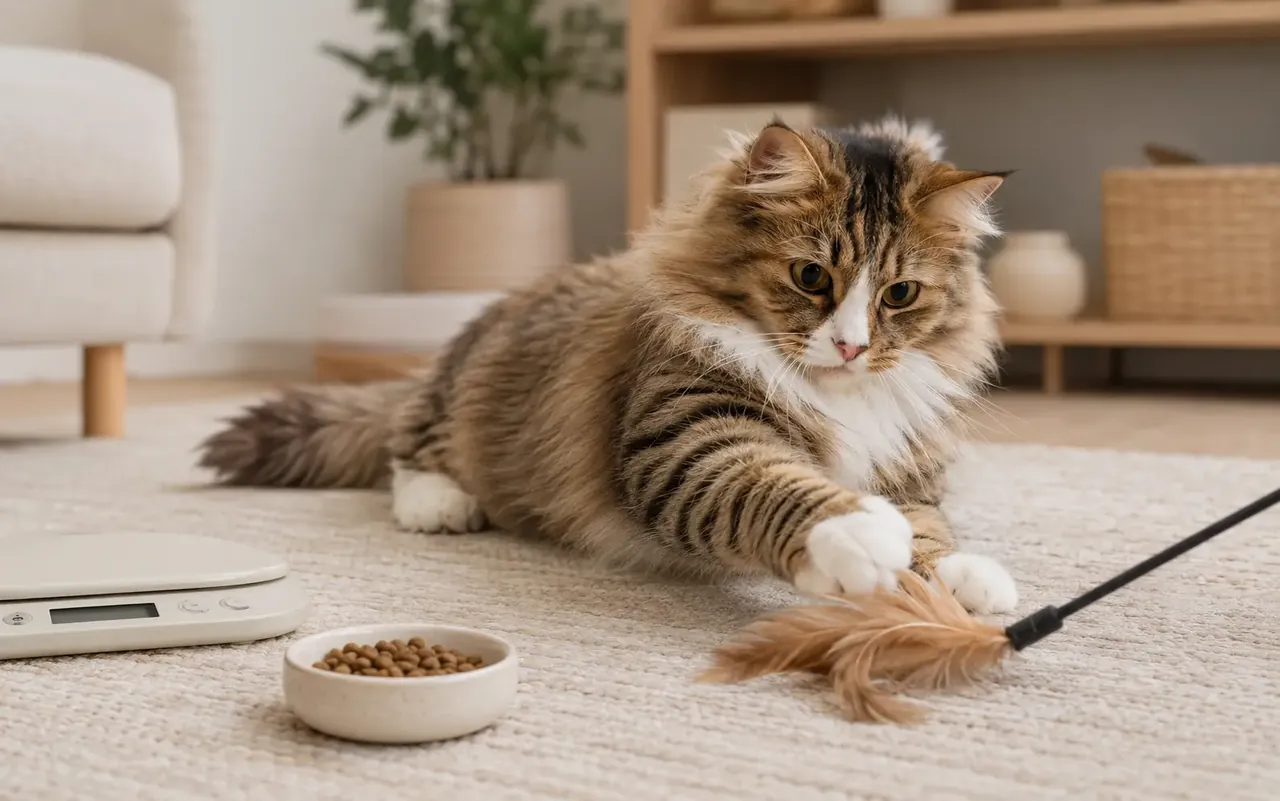
Unplanned weight loss in a cat is a reason to arrange a veterinary examination, even when appetite still looks normal. Confirm the trend, measure actual intake and record related changes without delaying care to run a long home experiment.
 01
 02
 06