Why does my cat meow at night?
Night meowing may follow hunger, attention, outside activity or routine, but sudden calling—especially in a senior cat—deserves a veterinary check.
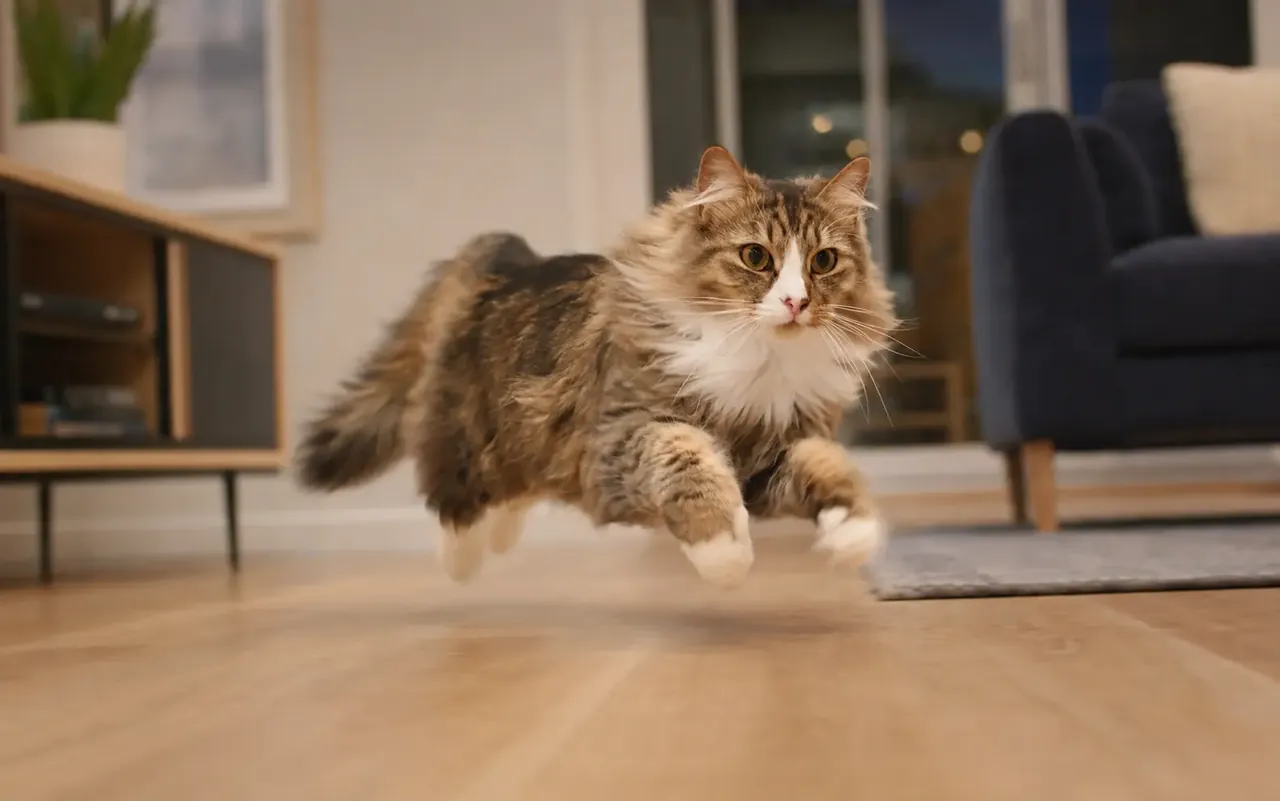 Topic illustration selected for this guide. Some learning images may be AI-assisted.
Why does my cat meow at night — the quick answer
✓ Rule out health causes when the pattern is new
✓ Move play and food into a predictable evening routine
✓ Do not reward every nighttime call with breakfast
Night meowing may be linked to attention, hunger, activity patterns, outside animals or a learned routine. In older cats—or when the behavior begins suddenly—pain, sensory loss, thyroid disease, high blood pressure and cognitive change are among the reasons a veterinary check matters.
Look for the pattern
Record the time, location, sound and what happens immediately before and after. Check whether the cat visits the litter box, watches a window, carries a toy or leads you toward food.
Build a calmer evening
Use an interactive play session, allow a catch, then offer an appropriate measured meal. Provide water, a clean litter box, comfortable sleep choices and quiet independent activities.
Change learned wake-ups gradually
If meowing reliably makes you feed, talk or get up, it can become a powerful routine. Use an automatic feeder when appropriate or shift breakfast in small steps, while avoiding punishment.
Recognize medical warning signs
Contact a veterinarian for sudden or persistent night calling, especially with weight loss, thirst, confusion, pain, urinary change, vomiting, breathing difficulty or altered mobility.
What to check first
Record the exact time, location, sound and what happens before and after. Add appetite, thirst, litter use, weight, mobility, window activity and signs of confusion.
What to do next
Use a predictable play–catch–meal routine, provide easy water and litter access and separate breakfast from the act of waking you. Never punish calling. Calling with pain, weight loss, urinary change, breathing difficulty, sudden blindness or severe disorientation needs prompt care.
Your quick checklist
Your progress is saved on this device.
Three simple things you can do
You do not have to change everything today. Pick one step that feels realistic, try it and see how your cat responds.
- 1Log timing, location and what the cat appears to request.
- 2Use evening play followed by a measured meal.
- 3Arrange a health check for new or persistent night calling.
Common mistakes
×Punishing vocalizing.
×Serving breakfast immediately after every call.
×Dismissing a senior cat’s change as age.
Questions cat people ask
Should I ignore my cat meowing at night?+
First meet welfare needs and exclude illness. For a learned attention routine, avoid reinforcing the call while rewarding calm behavior at other times.
Why has my older cat started yowling at night?+
Pain, sensory loss, thyroid disease, high blood pressure and cognitive change are among reasons to arrange veterinary assessment.
Still looking for the right answer?
Search the full EverYes Cats encyclopedia with your own words — a symptom, food, behaviour, breed or everyday question.
Checked, dated and transparent
- Prepared by
- EverYes Cats editorial team
- Last updated
- 14 August 2026
- Source checked
- 14 August 2026
- Primary reference
- Cornell Feline Health Center ↗
We begin with the named reference, rewrite the information in plain language and add practical cat-parent steps. Urgent health statements are checked against veterinary sources. This guide has not been individually reviewed by a veterinarian unless explicitly stated. It provides education, not diagnosis or treatment.
Spotted something unclear or outdated? Tell us so we can review it.
Your answer helps us improve the cat encyclopedia.
The position offers height, sightlines and access to activity on more than one floor..