Why cats headbutt you
A gentle forehead or cheek push is commonly friendly bunting that combines social contact with facial scent. It is very different from persistent head pressing against a wall, which can indicate serious illness.
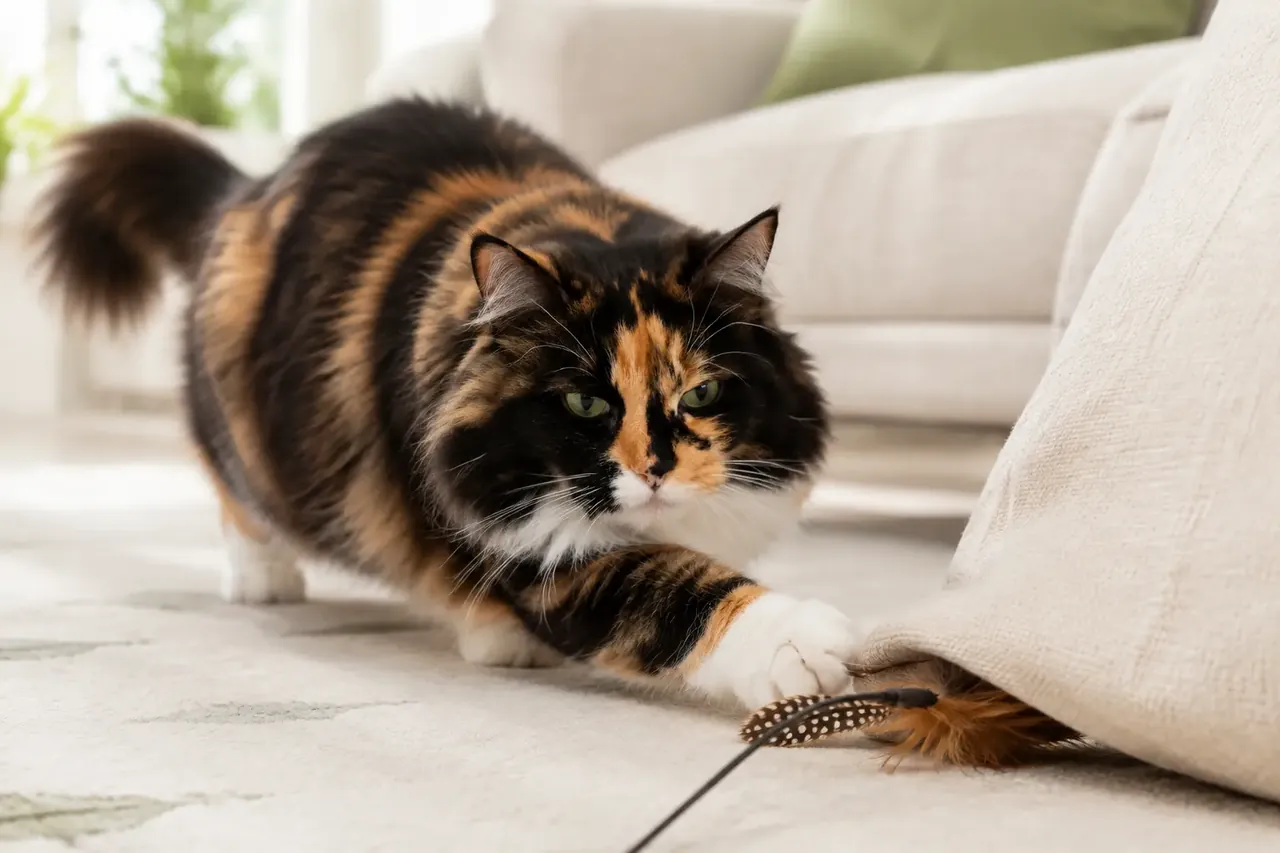
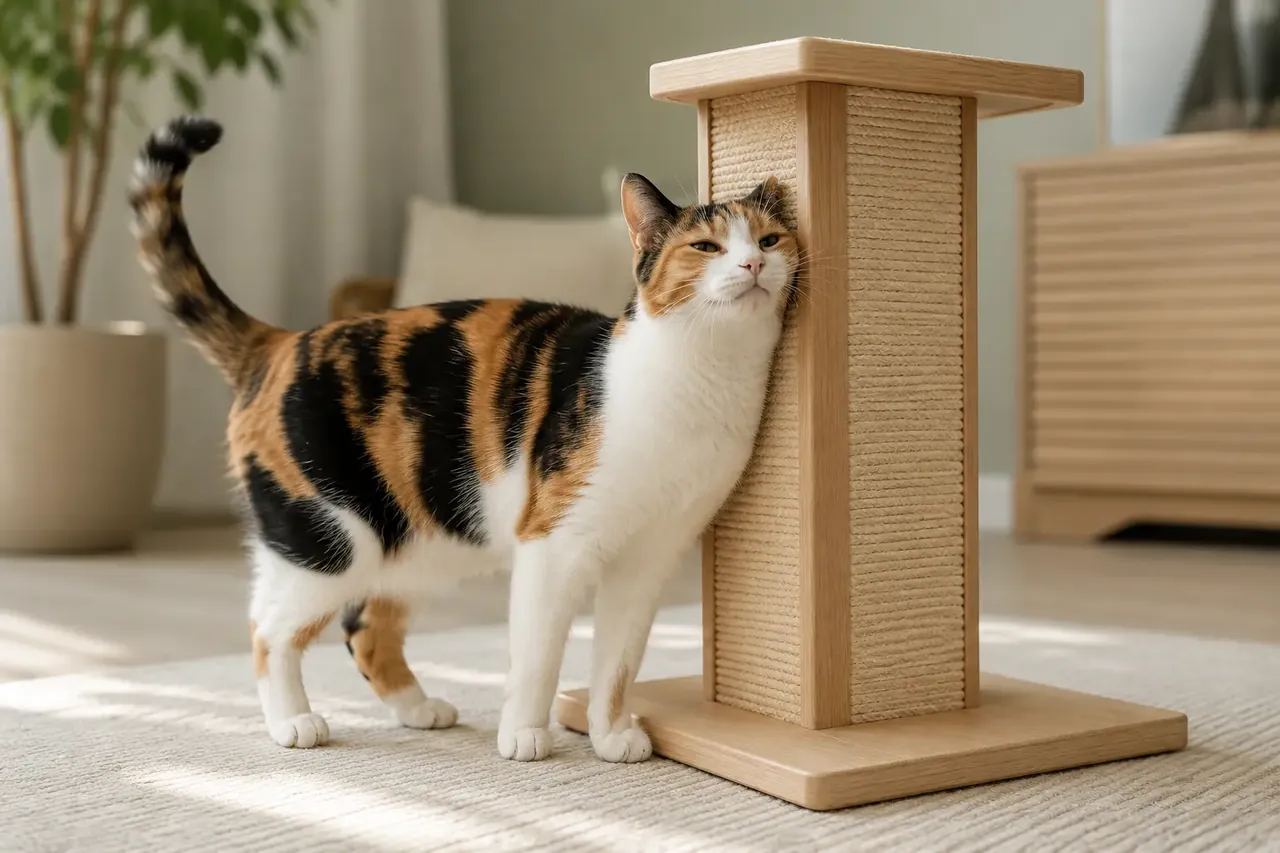 Topic illustration selected for this guide. Some learning images may be AI-assisted.
Why cats headbutt you — the quick answer
✓ Friendly facial rubbing is called bunting. Facial scent helps maintain familiarity; it is not ownership in the human sense.
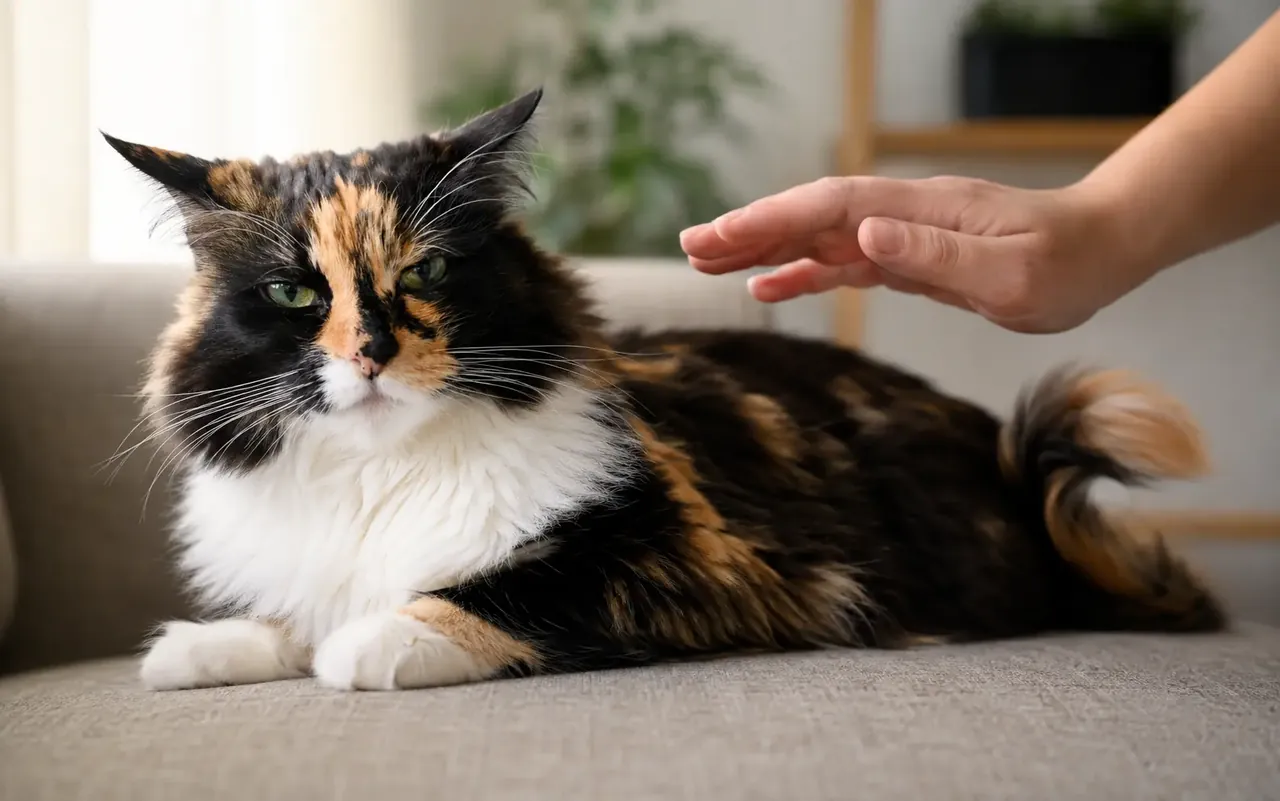
✓ Offer a relaxed hand at cheek height and let the cat close the distance. Keep the resulting touch brief and optional.
✓ Read the complete body and setting
✓ Continuous head pressing against walls, disorientation, circling or seizures is medically different and can be urgent.
Your cat presses the forehead or cheek into your hand, shin or face, sometimes continuing into a full-body rub. Friendly facial rubbing is called bunting. Facial scent helps maintain familiarity; it is not ownership in the human sense. This guide helps you read the moment, protect the relationship and choose a response that works for the cat as well as the household.
What bunting means
Cats have scent-producing structures around the cheeks, chin and lips. A relaxed headbutt or rub may exchange familiar scent and continue a greeting routine. Calling it ownership or dominance is a human interpretation, not a literal feline statement.
Read the entire greeting
Loose muscles, neutral ears, an upright tail and voluntary approach support friendly contact. The cat may rub once, remain nearby or move on. One gesture cannot prove love or a request for unlimited petting.
Respond without taking control
Hold a relaxed hand near cheek height and let the cat close the final distance. Keep touch brief and pause. Avoid pushing into the face, holding the head or following when the cat moves away.
Check one-sided rubbing
Repeated rubbing on one side with drooling, bad breath, swelling, eye discharge, ear scratching or difficulty eating may reflect dental, eye, ear or skin discomfort. Record visible signs and arrange veterinary advice.
Head pressing is medically different
Persistent pressing of the top or front of the head against a wall or floor—especially with circling, confusion, seizures, weakness or vision change—is not social bunting and needs urgent veterinary assessment.
Your quick checklist
Loading saved progress…
Three simple things you can do
You do not have to change everything today. Pick one step that feels realistic, try it and see how your cat responds.
- 1Observe your cat’s individual baseline.
- 2Make one gentle change at a time.
- 3Ask a qualified professional when health or safety is involved.
Common mistakes
×Waiting for a dramatic symptom instead of noticing smaller changes from the cat’s normal routine.
×Changing several things at once, making it difficult to learn what actually helped.
×Treating general guidance as a substitute for advice from a veterinarian who knows the individual cat.
Questions cat people ask
Does every cat follow the same rule?+
No. Age, health, history, temperament and environment all change what works for an individual.
When should I seek professional help?+
Seek veterinary advice for sudden, persistent or concerning changes and urgent help for breathing difficulty, collapse, seizures, poisoning or urinary obstruction signs.
Still looking for the right answer?
Search the full EverYes Cats encyclopedia with your own words — a symptom, food, behaviour, breed or everyday question.
Checked, dated and transparent
- Prepared by
- EverYes Cats editorial team
- Last updated
- Source checked
- Primary reference
- FelineVMA: Environmental Needs Guidelines ↗
We begin with the named reference, rewrite the information in plain language and add practical cat-parent steps. Urgent health statements are checked against veterinary sources. This guide has not been individually reviewed by a veterinarian unless explicitly stated. It provides education, not diagnosis or treatment.
How we choose and use sources →
Spotted something unclear or outdated? Tell us so we can review it.
Loading your saved choice…
New furniture changes scent, routes, height and hiding places. Preserve familiar resources, remove physical hazards and let the cat investigate without being placed on the new item.
 02
 04
 05
 06