Why does my cat groom immediately after being petted?
Grooming after petting can reset the coat, blend scent or help a cat settle after stimulation. It does not automatically mean rejection, but frantic or damaging grooming is different.
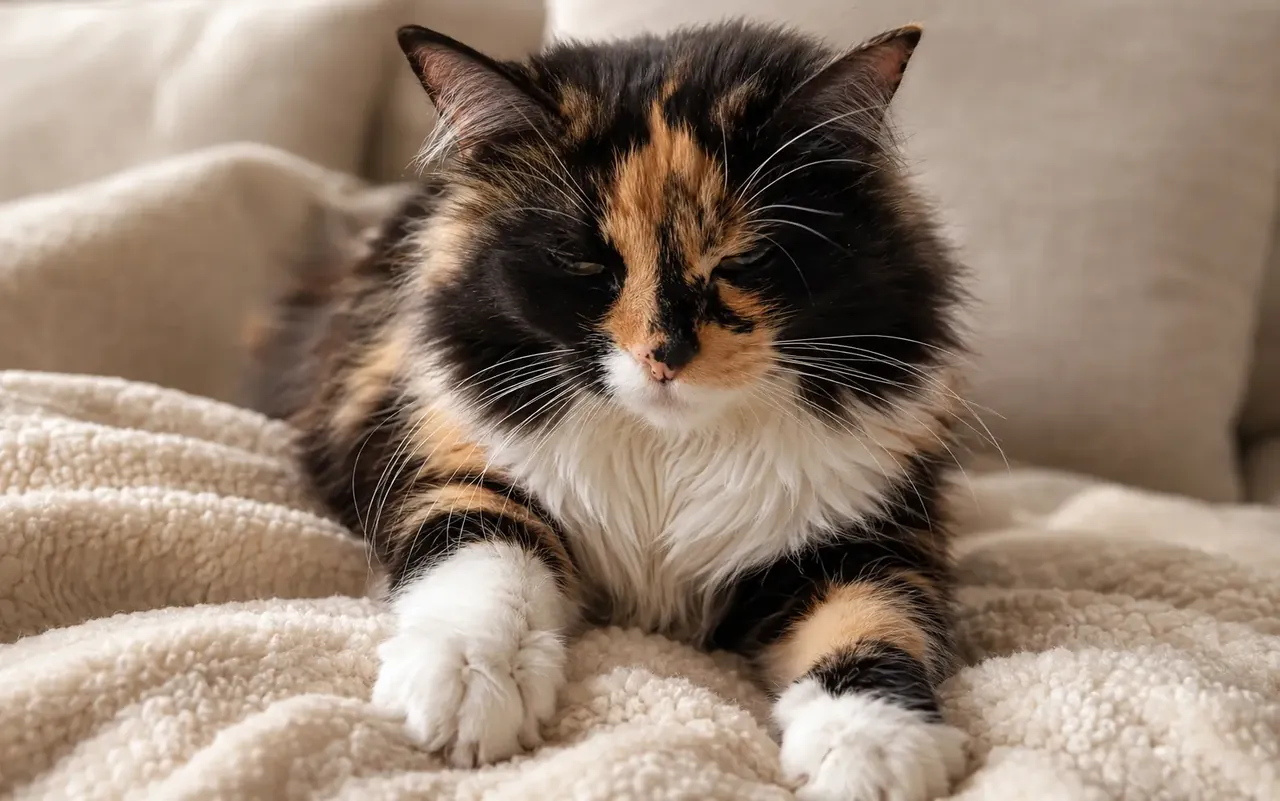 Topic illustration selected for this guide. Some learning images may be AI-assisted.
Why does my cat groom immediately after being petted — the quick answer
✓ Grooming may reset the coat, blend scent or help the cat settle after stimulation
✓ Keep petting brief and focus on areas the cat actively presents for contact.
✓ Frantic grooming, bald patches, skin damage or pain needs veterinary assessment.
Grooming may reset the coat, blend scent or help the cat settle after stimulation. It does not automatically mean the person was disliked or the cat feels dirty.
The short answer
Grooming may reset the coat, blend scent or help the cat settle after stimulation. It does not automatically mean the person was disliked or the cat feels dirty.
What to observe first
Compare the moment with your cat’s usual pattern. Note timing, frequency, body language, appetite, litter-box use, mobility and any recent household change.
Why the setting matters
It does not automatically mean the person was disliked or the cat feels dirty. One isolated detail rarely explains behaviour or health on its own, so look at the whole cat and the immediate environment.
What you can do
Keep petting brief and focus on areas the cat actively presents for contact.
A gentle way to test it
Make one small safe adjustment and give the cat time and choice. Avoid punishment, forced handling and several changes at once, because they make the response harder to understand.
When to contact a veterinarian
Frantic grooming, bald patches, skin damage or pain needs veterinary assessment.
Prepare useful information
Write down when it began and how often it occurs. A short video, clear photo, food record or litter record can help a veterinary professional assess a pattern that may not appear during the appointment.
Use grooming as feedback on the interaction
Notice how long you petted, which body areas were touched and the signals immediately before grooming. Keep contact around areas the cat actively presents, pause after a few strokes and continue only when the cat leans back in.
DEEPER GUIDE1 more detailed sectionsOpen +
Recognize when grooming is no longer ordinary
Brief calm licking followed by rest is usually unremarkable. Repeated intense grooming, skin rippling, biting the coat, bald patches, sores or a sudden reaction to touch can reflect pain, skin disease or stress and needs veterinary assessment.
Your quick checklist
Your progress is saved on this device.
Three simple things you can do
You do not have to change everything today. Pick one step that feels realistic, try it and see how your cat responds.
- 1Pause petting and observe whether grooming is brief and relaxed.
- 2Use a consent test before resuming contact.
- 3Seek advice if grooming becomes intense, repetitive or damages skin.
Common mistakes
×Taking grooming as proof the cat disliked you.
×Interrupting normal coat maintenance.
×Continuing to pet through signs of overstimulation.
Questions cat people ask
Why does my cat lick itself after I pet it?+
The cat may restore coat position and scent, transition between activities or regulate arousal. Brief grooming does not automatically mean rejection.
Is grooming after touch a stress sign?+
It can be a displacement behaviour when paired with tension or avoidance, but relaxed grooming is common. Read the full body and frequency.
Still looking for the right answer?
Search the full EverYes Cats encyclopedia with your own words — a symptom, food, behaviour, breed or everyday question.
Checked, dated and transparent
- Prepared by
- EverYes Cats editorial team
- Last updated
- 13 August 2026
- Source checked
- 13 August 2026
- Primary reference
- International Cat Care ↗
We begin with the named reference, rewrite the information in plain language and add practical cat-parent steps. Urgent health statements are checked against veterinary sources. This guide has not been individually reviewed by a veterinarian unless explicitly stated. It provides education, not diagnosis or treatment.
Spotted something unclear or outdated? Tell us so we can review it.
Your answer helps us improve the cat encyclopedia.
A mirror reflection may resemble another cat without matching scent or normal movement cues. Calm curiosity is harmless; repeated distress means changing the mirror setup.