How do I stop my cat waking me at 4 a.m. for food?
A cat that wakes you at 4 a.m. may be following a strong learned food routine, but first check whether daily intake is appropriate and whether increased hunger is new. Shift breakfast to a neutral alarm or timed feeder gradually—without punishment or unsafe food restriction.
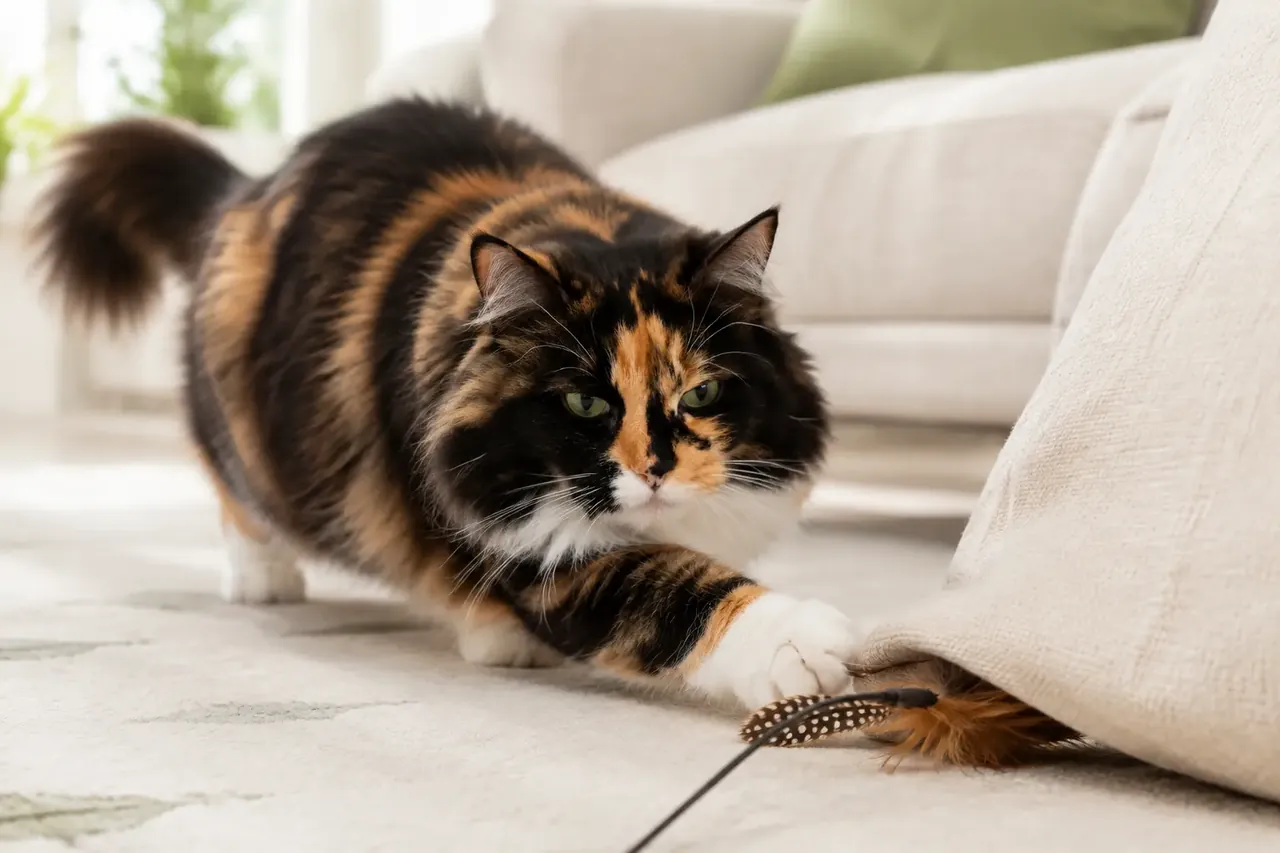
 Topic illustration selected for this guide. Some learning images may be AI-assisted.
How do I stop my cat waking me at 4 a.m. for food — the quick answer
✓ Confirm the cat receives an appropriate daily amount
✓ Disconnect breakfast from the act of waking you
✓ Shift timing gradually and stay consistent
If waking you makes breakfast appear, your cat has learned a reliable sequence. The solution is not punishment: check health and daily intake, then make food depend on a neutral cue or feeder instead of meowing, pawing or jumping on you.
Why 4 a.m. becomes breakfast time
Cats notice dawn light, heating, birds, household movement and tiny changes in a sleeping person. If meowing, pawing or jumping makes food appear, the exact sequence is reinforced. The cat is repeating a successful routine, not deliberately trying to control or annoy you.
Check hunger and health first
Confirm the measured daily amount, meal frequency and body condition with the veterinary team, particularly for a kitten, senior cat or cat on a medical diet. New intense hunger with weight loss, thirst, vomiting, diarrhoea, restlessness or coat change needs assessment rather than a training plan alone.
Disconnect food from waking you
Use a timed feeder when appropriate or make a consistent morning alarm the cue that begins breakfast. Place the feeder away from the bedroom and introduce it while awake so the sound does not frighten the cat. Food puzzles must be safe, easy enough to use and counted within the daily ration.
Move the schedule gradually
Set the feeder close to the current reliable wake time, then move it later in small steps every few days. An abrupt two-hour delay can create frustration and does not teach the desired pattern. Keep other meals predictable and use part of the measured ration after evening play.
Avoid accidental rewards
Talking, petting, opening a door, chasing and getting up can all reward the wake-up. Protect your face and sleep safely, keep responses boring and reward quiet waiting only after you are already awake. Never spray water, shout, lock the cat without resources or reduce food below an appropriate amount.
When early waking needs a health check
Contact a veterinarian for a sudden persistent change, marked hunger, weight change, increased drinking or urination, vomiting, pain, confusion or new nighttime vocalising. A cat that seems weak, has breathing difficulty, collapses or repeatedly strains to urinate needs urgent help.
Your quick checklist
Loading saved progress…
Three simple things you can do
You do not have to change everything today. Pick one step that feels realistic, try it and see how your cat responds.
- 1Confirm daily calories and health needs.
- 2Use an alarm or timed feeder as the breakfast cue.
- 3Shift the schedule in small consistent steps.
Common mistakes
×Feeding immediately after pawing or meowing.
×Reducing food without a safe nutrition plan.
×Using punishment or confinement as the lesson.
Questions cat people ask
Why does my cat wake me at the same time every morning?+
Cats learn light, household movement and the exact behavior sequence that predicts food.
Will an automatic feeder help?+
It can separate food from waking the owner, but timing and portions still need to fit the cat’s daily plan.
Still looking for the right answer?
Search the full EverYes Cats encyclopedia with your own words — a symptom, food, behaviour, breed or everyday question.
Checked, dated and transparent
- Prepared by
- EverYes Cats editorial team
- Last updated
- Source checked
- Primary reference
- FelineVMA: Environmental Needs Guidelines ↗
We begin with the named reference, rewrite the information in plain language and add practical cat-parent steps. Urgent health statements are checked against veterinary sources. This guide has not been individually reviewed by a veterinarian unless explicitly stated. It provides education, not diagnosis or treatment.
How we choose and use sources →
Spotted something unclear or outdated? Tell us so we can review it.
Loading your saved choice…
Slow weaving between your legs often combines greeting, scent rubbing and anticipation of a routine. Pause to prevent falls, then reward a safer greeting place; new unsteady walking or weakness needs veterinary attention.
 01
 02
 05