Urine leaking or wet bedding in cats
Wet bedding, dribbling while walking or urine passed during sleep can represent true incontinence, overflow, urinary disease, pain or neurologic problems. Keep skin clean and dry, provide easy litter access and arrange veterinary assessment rather than assuming a behaviour problem.
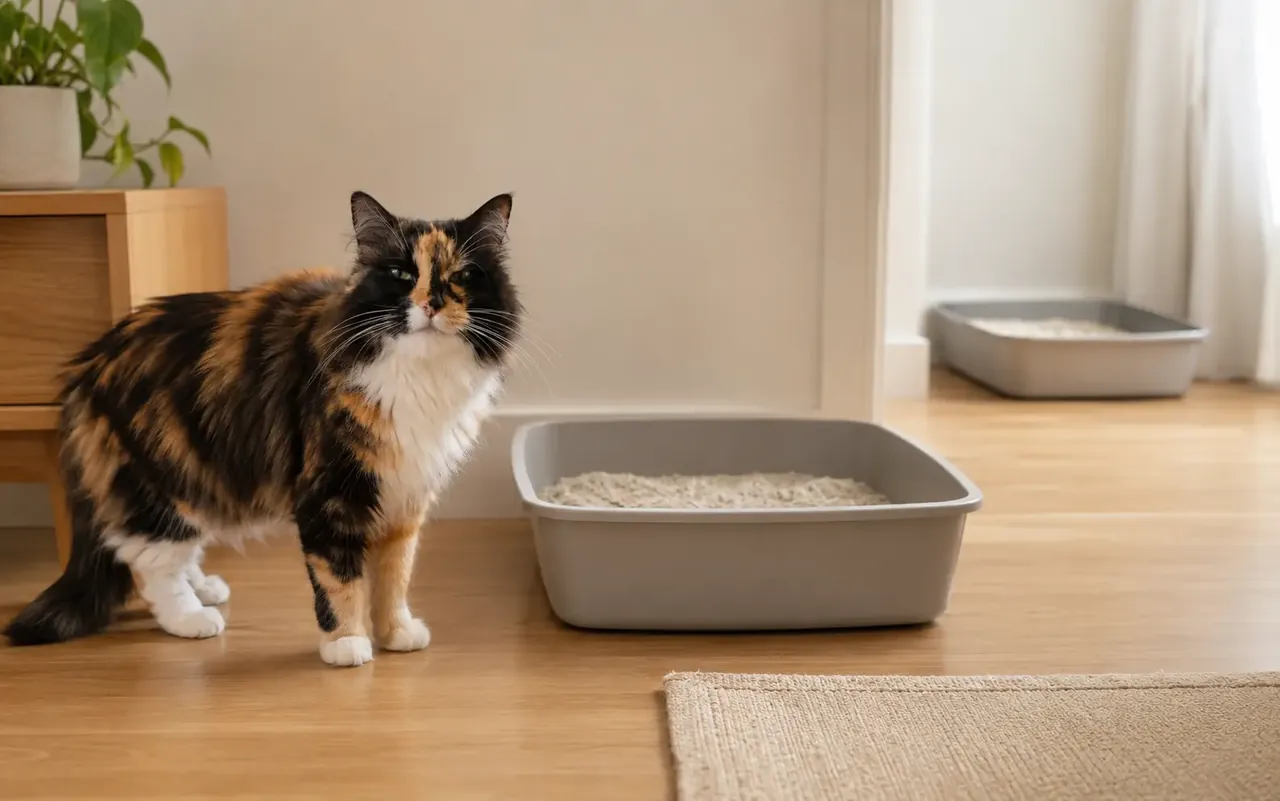
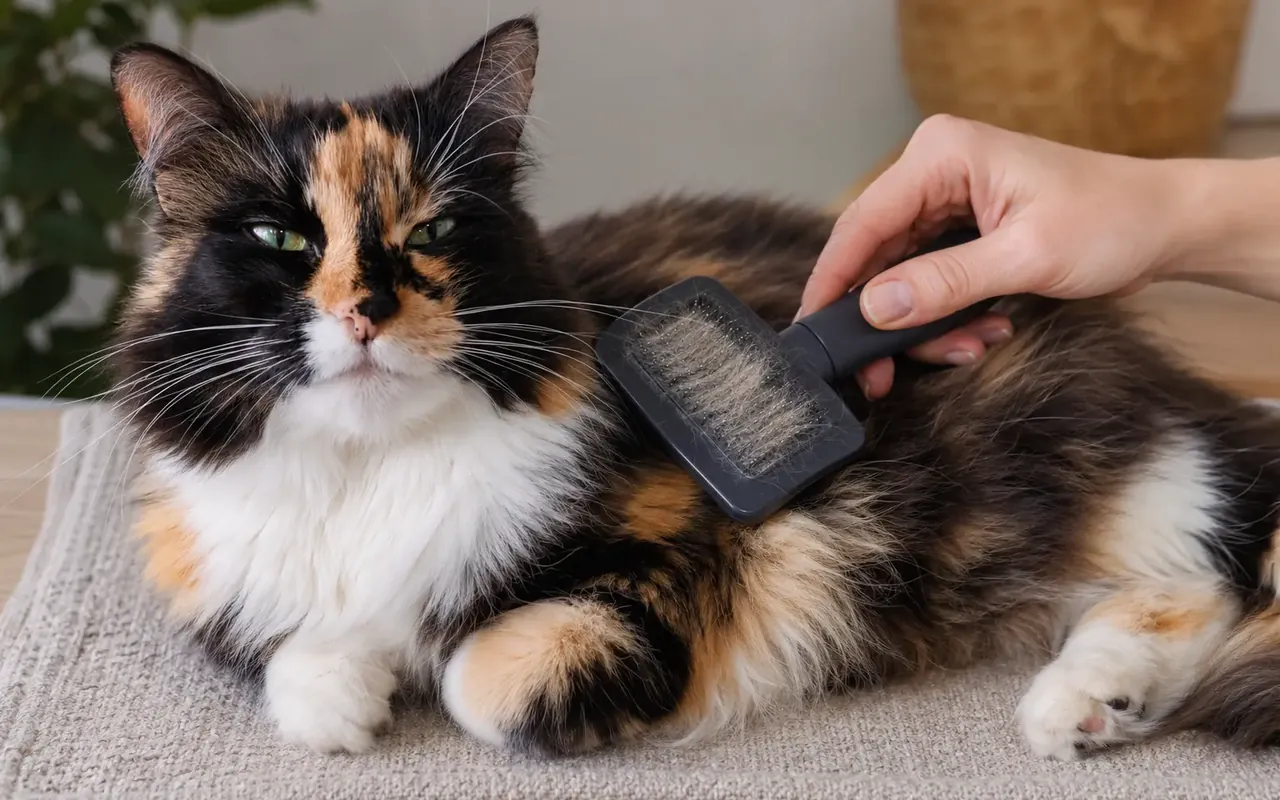 Topic illustration selected for this guide. Some learning images may be AI-assisted.
This sign can be urgent. Call a veterinarian or emergency clinic now for individual triage; do not wait for this article to diagnose the cause.
Urine leaking or wet bedding in cats — the quick answer
✓ Keep skin dry, provide low-entry boxes and book a veterinary examination.
✓ Inability to pass a normal stream, painful straining, hind-limb weakness or severe illness is urgent.
✓ This information supports observation and does not replace veterinary diagnosis.
Note wet fur or bedding, sleep leakage, conscious squatting, odor, thirst and mobility. This guide explains what to record, what not to do and when veterinary care becomes urgent.
Describe leakage separately from deliberate urination
Note whether urine appears during sleep, leaves a trail while walking, wets the fur or bedding, or occurs as a conscious squat outside the box. Record volume, frequency, odour and whether the cat also passes a normal stream. Video or photographs of wet bedding can help, but never delay care to recreate leakage.
Confirm that the bladder can empty
Dribbling does not guarantee normal urine flow; an overfull bladder or partial obstruction can leak small amounts. Watch litter-box attempts and clump size and report straining, crying, vomiting or abdominal pain. Repeated efforts with drops or no normal stream is an emergency. Do not press or manually empty the bladder at home.
Protect skin and make resources accessible
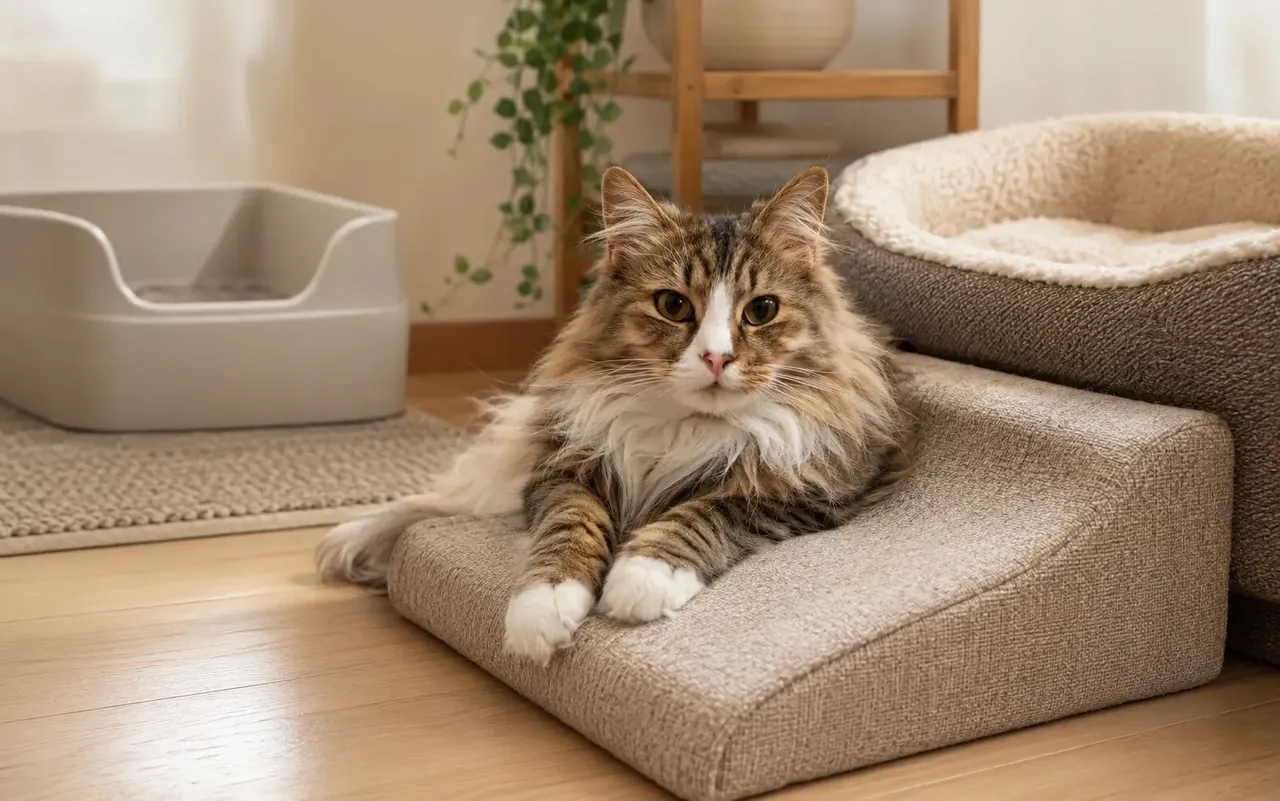
Blot wet fur gently with warm water or a plain damp cloth and dry thoroughly to reduce urine scalding. Avoid scented wipes, powder, barrier cream and human ointment unless prescribed. Add low-entry boxes near resting places and use washable bedding, but do not punish accidents or restrict water. These changes support comfort while the cause is investigated.
Record mobility, thirst and neurologic signs
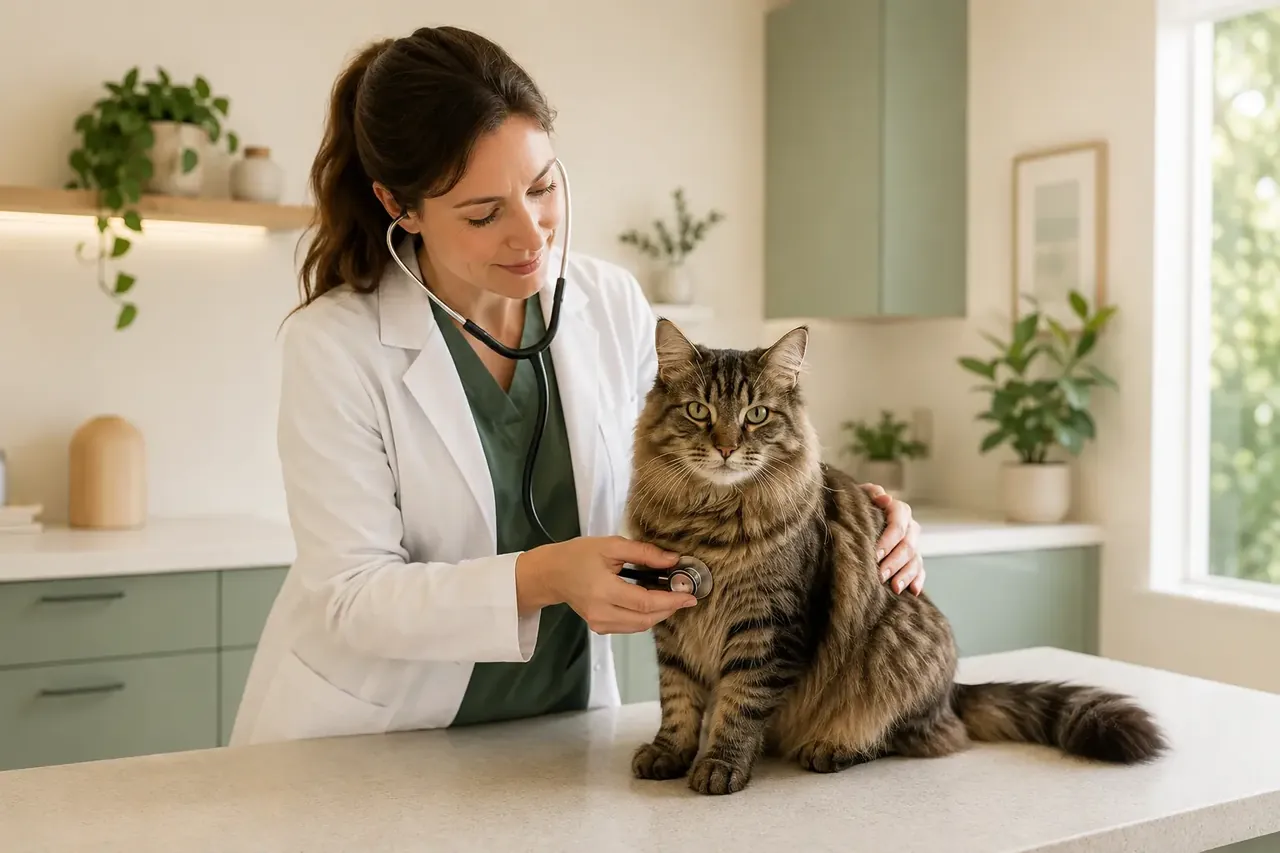
Tell the veterinarian about increased drinking, hind-limb weakness, back pain, tail changes, arthritis, medication, surgery and when leakage began. Urinary tract, bladder-control, mobility and nerve problems can overlap. The clinic may observe urination and recommend urinalysis, imaging, blood tests or neurologic assessment. Do not use human continence medicine or hormones.
Seek urgent care for retention or weakness
Inability to pass a normal stream, repeated painful straining, vomiting, collapse, sudden hind-limb weakness, major trauma or severe abdominal pain requires urgent or emergency care. Prompt advice is also needed for blood, fever signs, painful skin or rapidly worsening leakage. Continue follow-up because improved bedding does not mean the underlying bladder or nerve problem has resolved.
Your quick checklist
Loading saved progress…
What to do now
Do not use this guide to delay care. Start with the first step and follow the veterinary professional's instructions.
- 1Observe your cat’s individual baseline.
- 2Make one gentle change at a time.
- 3Ask a qualified professional when health or safety is involved.
Common mistakes
×Waiting for a dramatic symptom instead of noticing smaller changes from the cat’s normal routine.
×Changing several things at once, making it difficult to learn what actually helped.
×Treating general guidance as a substitute for advice from a veterinarian who knows the individual cat.
Questions cat people ask
Does every cat follow the same rule?+
No. Age, health, history, temperament and environment all change what works for an individual.
When should I seek professional help?+
Seek veterinary advice for sudden, persistent or concerning changes and urgent help for breathing difficulty, collapse, seizures, poisoning or urinary obstruction signs.
Still looking for the right answer?
Search the full EverYes Cats encyclopedia with your own words — a symptom, food, behaviour, breed or everyday question.
Checked, dated and transparent
- Prepared by
- EverYes Cats editorial team
- Last updated
- Source checked
- Primary reference
- Merck Veterinary Manual: Disorders of Micturition ↗
We begin with the named reference, rewrite the information in plain language and add practical cat-parent steps. Urgent health statements are checked against veterinary sources. This guide has not been individually reviewed by a veterinarian unless explicitly stated. It provides education, not diagnosis or treatment.
How we choose and use sources →
Spotted something unclear or outdated? Tell us so we can review it.
Loading your saved choice…
Mouth ulcers in cats can be painful and may accompany dental inflammation, infection, kidney disease, trauma, burns or other illness. Do not apply human mouth products or force the mouth open; arrange veterinary assessment promptly when eating, drinking or comfort changes.
 01
 02
 03
 04