Mouth ulcers in cats: what owners may notice
Mouth ulcers in cats can be painful and may accompany dental inflammation, infection, kidney disease, trauma, burns or other illness. Do not apply human mouth products or force the mouth open; arrange veterinary assessment promptly when eating, drinking or comfort changes.
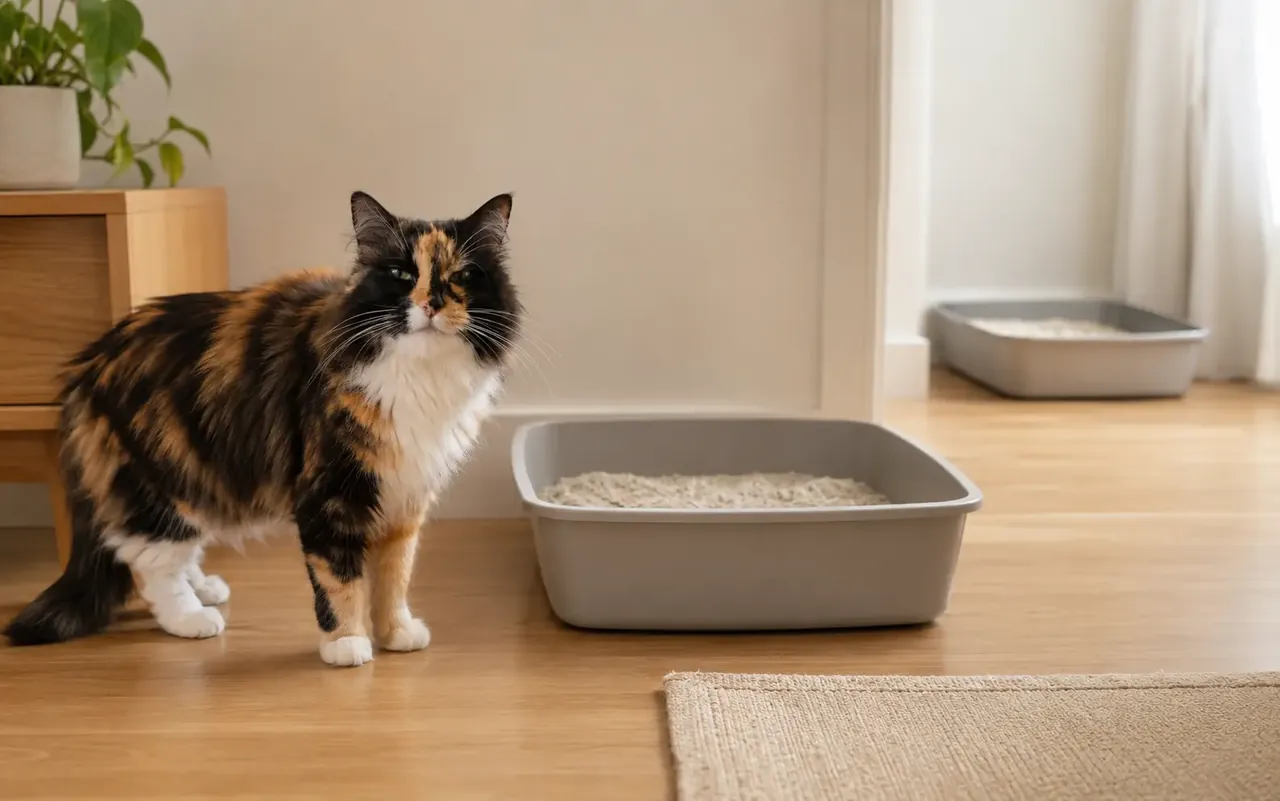
 Topic illustration selected for this guide. Some learning images may be AI-assisted.
This sign can be urgent. Call a veterinarian or emergency clinic now for individual triage; do not wait for this article to diagnose the cause.
Mouth ulcers in cats: what owners may notice — the quick answer
✓ Offer water and soft familiar food without forcing the mouth open; arrange an examination promptly.
✓ Inability to eat or drink, bleeding, severe pain, breathing difficulty or suspected chemical exposure needs urgent care.
✓ This information supports observation and does not replace veterinary diagnosis.
Look for sores on the lips, tongue or gums, drooling, bad breath, food dropping and reluctance to eat. This guide explains what to record, what not to do and when veterinary care becomes urgent.
Notice the pattern without forcing an examination
Look during a relaxed yawn or brief voluntary lip lift for red, raw or pale-edged areas on the lips, gums or tongue. Record drooling, bad breath, pawing at the mouth, food dropping, slow chewing and withdrawal from the bowl. Do not pry the jaws apart or put fingers into a painful mouth; important lesions can also sit too far back to see safely at home.
Treat an ulcer as a finding, not a diagnosis
Oral sores may occur with severe dental inflammation, viral disease, kidney disease, trauma, foreign material, caustic chemicals, electrical injury and other conditions. Their position or colour cannot establish the cause from a photograph. Tell the veterinarian about recent illness, medicines, plants, cleaners, electrical cords, appetite, thirst and urine changes so the examination can be targeted.
Protect eating and drinking while arranging care
Keep fresh water available and offer a small portion of familiar soft food only if the cat is alert, interested and swallowing normally. Do not syringe food or water, scrape the sore or use salt, peroxide, mouthwash, numbing gel or human pain medicine. Meaningfully reduced intake deserves prompt advice because oral pain can stop a cat eating even when hunger remains.
Prevent additional exposure
Remove access to chewed cords, cleaners, medicines, irritating plants, string and sharp objects without delaying care. After a possible chemical exposure, keep the label or photograph the ingredients and call a veterinarian or animal poison service for exact instructions. Do not make the cat vomit or attempt to neutralise one chemical with another product.
Know when the situation is urgent
Seek same-day care when the cat cannot eat normally, drools heavily, appears very painful, has bleeding or develops facial swelling. Breathing or swallowing difficulty, collapse, severe weakness, electrical injury or a suspected caustic burn is an emergency. Use a secure carrier, minimise mouth handling and call ahead with the most serious sign first.
Expect examination beyond the visible sore
A complete oral assessment may require sedation or anesthesia because much of the mouth and the tooth roots cannot be evaluated in an awake painful cat. The clinic may recommend dental imaging, blood or urine tests, infectious-disease testing or a sample depending on the pattern. Follow treatment and recheck instructions even if the surface appears to heal quickly.
Your quick checklist
Loading saved progress…
What to do now
Do not use this guide to delay care. Start with the first step and follow the veterinary professional's instructions.
- 1Observe your cat’s individual baseline.
- 2Make one gentle change at a time.
- 3Ask a qualified professional when health or safety is involved.
Common mistakes
×Waiting for a dramatic symptom instead of noticing smaller changes from the cat’s normal routine.
×Changing several things at once, making it difficult to learn what actually helped.
×Treating general guidance as a substitute for advice from a veterinarian who knows the individual cat.
Questions cat people ask
Does every cat follow the same rule?+
No. Age, health, history, temperament and environment all change what works for an individual.
When should I seek professional help?+
Seek veterinary advice for sudden, persistent or concerning changes and urgent help for breathing difficulty, collapse, seizures, poisoning or urinary obstruction signs.
Still looking for the right answer?
Search the full EverYes Cats encyclopedia with your own words — a symptom, food, behaviour, breed or everyday question.
Checked, dated and transparent
- Prepared by
- EverYes Cats editorial team
- Last updated
- Source checked
- Primary reference
- Merck Veterinary Manual: Oral Inflammatory and Ulcerative Disease ↗
We begin with the named reference, rewrite the information in plain language and add practical cat-parent steps. Urgent health statements are checked against veterinary sources. This guide has not been individually reviewed by a veterinarian unless explicitly stated. It provides education, not diagnosis or treatment.
How we choose and use sources →
Spotted something unclear or outdated? Tell us so we can review it.
Loading your saved choice…
A broken cat tooth may expose sensitive tissue or hide damage below the gumline even when the cat still eats. Prevent hard chewing, do not test or file the tooth and arrange a veterinary dental assessment; facial trauma, jaw misalignment or heavy bleeding is urgent.
 01
 02
 03
 06