Ear discharge or odor in cats
Ear discharge or a new foul smell can accompany mites, infection, inflammation, foreign material or a growth. Keep the ear dry, put nothing into the canal and arrange an examination before cleaning or leftover drops obscure the cause.
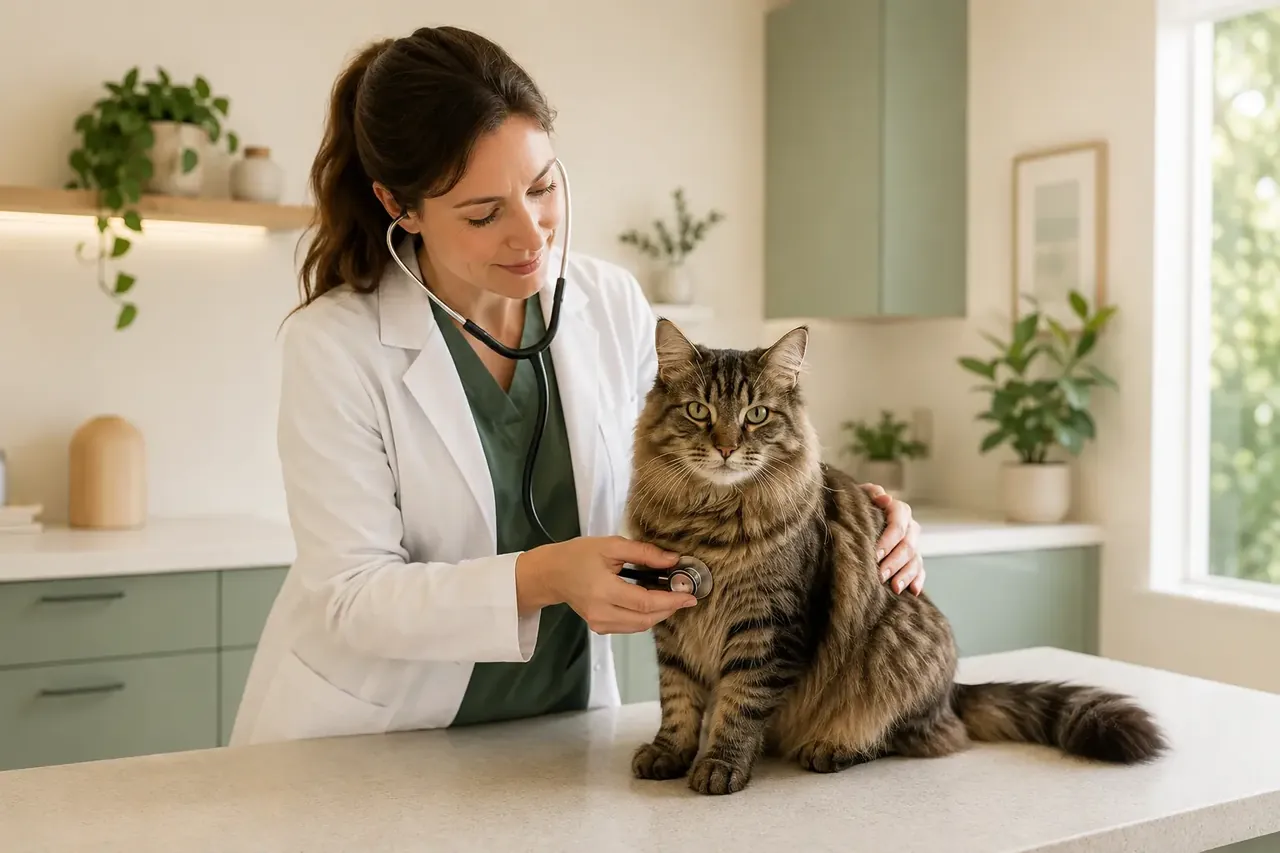 Topic illustration selected for this guide. Some learning images may be AI-assisted.
This sign can be urgent. Call a veterinarian or emergency clinic now for individual triage; do not wait for this article to diagnose the cause.
Ear discharge or odor in cats — the quick answer
✓ Keep the ear dry and book an examination; save a photo before wiping only the outer ear.
✓ Neurologic signs, intense pain, swelling behind the ear or significant bleeding is urgent.
✓ This information supports observation and does not replace veterinary diagnosis.
Describe discharge color, texture and smell and whether the ear canal looks narrowed or painful. This guide explains what to record, what not to do and when veterinary care becomes urgent.
Describe rather than diagnose the debris
Note whether one ear or both are affected and describe material as waxy, dark, creamy, watery or bloody without deciding that colour proves mites or infection. Record smell, scratching, head shaking, pain and when the change began. Photograph only the visible outer ear while the cat is relaxed; never pull the ear open forcefully for a deeper view or delay care to collect a perfect image.
Do not clean before veterinary sampling
Cotton swabs can push material deeper and injure a painful canal. Peroxide, alcohol, vinegar, oils and human ear products may irritate tissue, while old prescription drops may be wrong or unsafe if the eardrum is damaged. Unless a veterinarian gives a specific instruction, keep the ear dry and leave diagnostic material available for examination. Do not repeat a previous treatment simply because the discharge looks similar.
Treat persistent one-sided signs seriously
Mites and infection are common possibilities, but a foreign object, polyp or ear-canal mass can also produce discharge and odour. Repeated disease in the same ear, bloody material, narrowing, swelling or failure of prior treatment deserves prompt reassessment. Other pets may also need advice when parasites are possible, but never apply dog flea or ear products to a cat without veterinary confirmation.
Expect an examination of canal and eardrum
The veterinarian may use an otoscope and examine a sample for mites, yeast, bacteria or inflammatory cells. A very painful or obstructed canal may require sedation for a safe complete view. Treatment depends on the cause and condition of the eardrum, so use every prescribed product for the stated duration and attend the recommended recheck even when smell and scratching improve quickly.
Escalate deeper-ear and emergency signs
Head tilt, falling, circling, abnormal eye movements, vomiting, facial droop, severe pain or inability to stand can indicate middle or inner ear or neurologic involvement. Seek urgent care in a padded secure carrier. Heavy bleeding, collapse, seizures or breathing difficulty is an emergency. Do not delay transport to clean the ear, and do not force food or water when coordination or swallowing appears abnormal.
Your quick checklist
Loading saved progress…
What to do now
Do not use this guide to delay care. Start with the first step and follow the veterinary professional's instructions.
- 1Observe your cat’s individual baseline.
- 2Make one gentle change at a time.
- 3Ask a qualified professional when health or safety is involved.
Common mistakes
×Waiting for a dramatic symptom instead of noticing smaller changes from the cat’s normal routine.
×Changing several things at once, making it difficult to learn what actually helped.
×Treating general guidance as a substitute for advice from a veterinarian who knows the individual cat.
Questions cat people ask
Does every cat follow the same rule?+
No. Age, health, history, temperament and environment all change what works for an individual.
When should I seek professional help?+
Seek veterinary advice for sudden, persistent or concerning changes and urgent help for breathing difficulty, collapse, seizures, poisoning or urinary obstruction signs.
Still looking for the right answer?
Search the full EverYes Cats encyclopedia with your own words — a symptom, food, behaviour, breed or everyday question.
Checked, dated and transparent
- Prepared by
- EverYes Cats editorial team
- Last updated
- Source checked
- Primary reference
- Merck Veterinary Manual: Otitis Externa in Cats ↗
We begin with the named reference, rewrite the information in plain language and add practical cat-parent steps. Urgent health statements are checked against veterinary sources. This guide has not been individually reviewed by a veterinarian unless explicitly stated. It provides education, not diagnosis or treatment.
How we choose and use sources →
Spotted something unclear or outdated? Tell us so we can review it.
Loading your saved choice…
A broken cat tooth may expose sensitive tissue or hide damage below the gumline even when the cat still eats. Prevent hard chewing, do not test or file the tooth and arrange a veterinary dental assessment; facial trauma, jaw misalignment or heavy bleeding is urgent.
 01
 02
 05
 06