Why is my cat drooling?
A few drops of clear saliva can occur with relaxation or strong food smells, but new, repeated, foamy, bloody or foul-smelling drool can signal nausea, mouth pain, swallowing trouble, heat illness or poisoning.
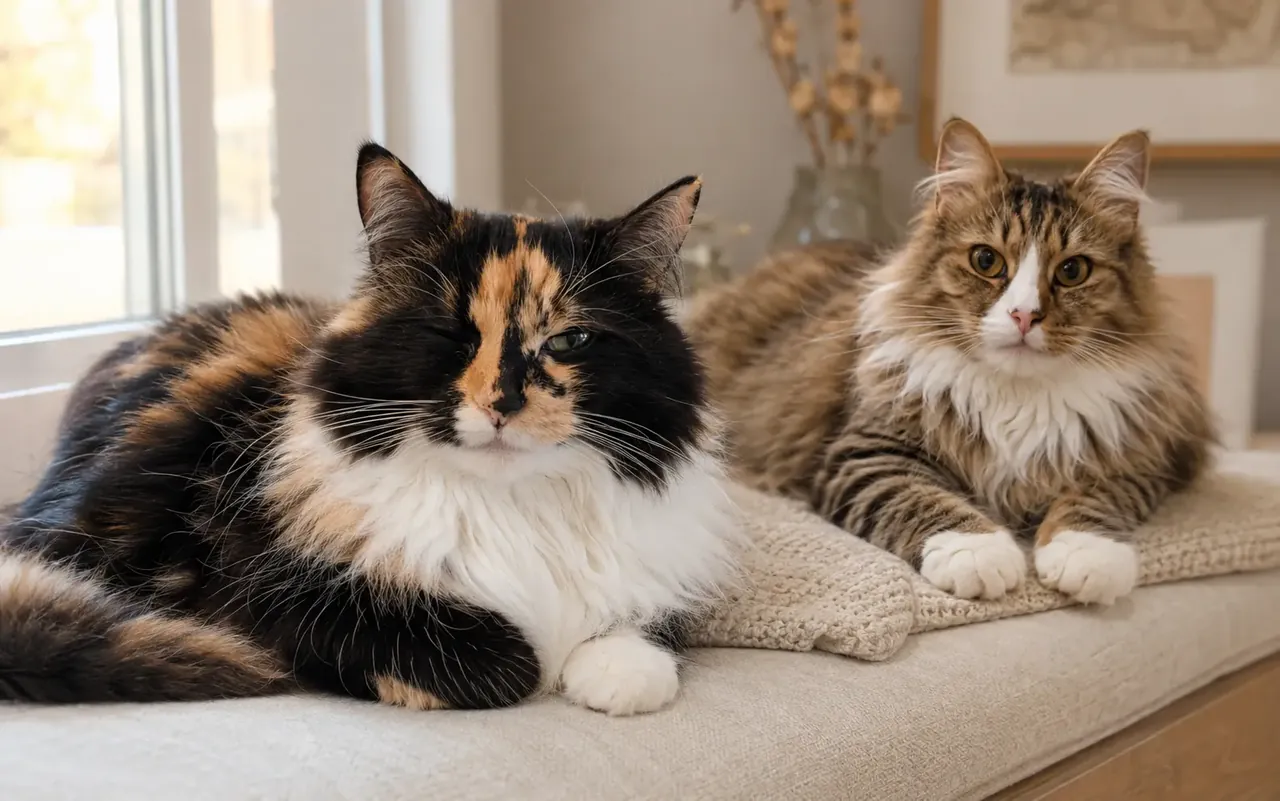 Topic illustration selected for this guide. Some learning images may be AI-assisted.
This sign can be urgent. Call a veterinarian or emergency clinic now for individual triage; do not wait for this article to diagnose the cause.
Why is my cat drooling — the quick answer
✓ Keep the cat calm, remove possible toxins and photograph the saliva and mouth only if this is safe.
✓ Sudden heavy drooling with breathing trouble, collapse, pawing at the mouth, toxin exposure or inability to swallow is urgent.
✓ This information supports observation and does not replace veterinary diagnosis.
Notice whether saliva is clear, foamy, bloody or foul-smelling, and whether it began around food, travel or medication. This guide explains what to record, what not to do and when veterinary care becomes urgent.
Observe drooling without forcing the mouth open
Drooling has many possible causes. Record what you see, protect against possible exposure and contact a veterinarian when it is new, heavy or paired with other signs.
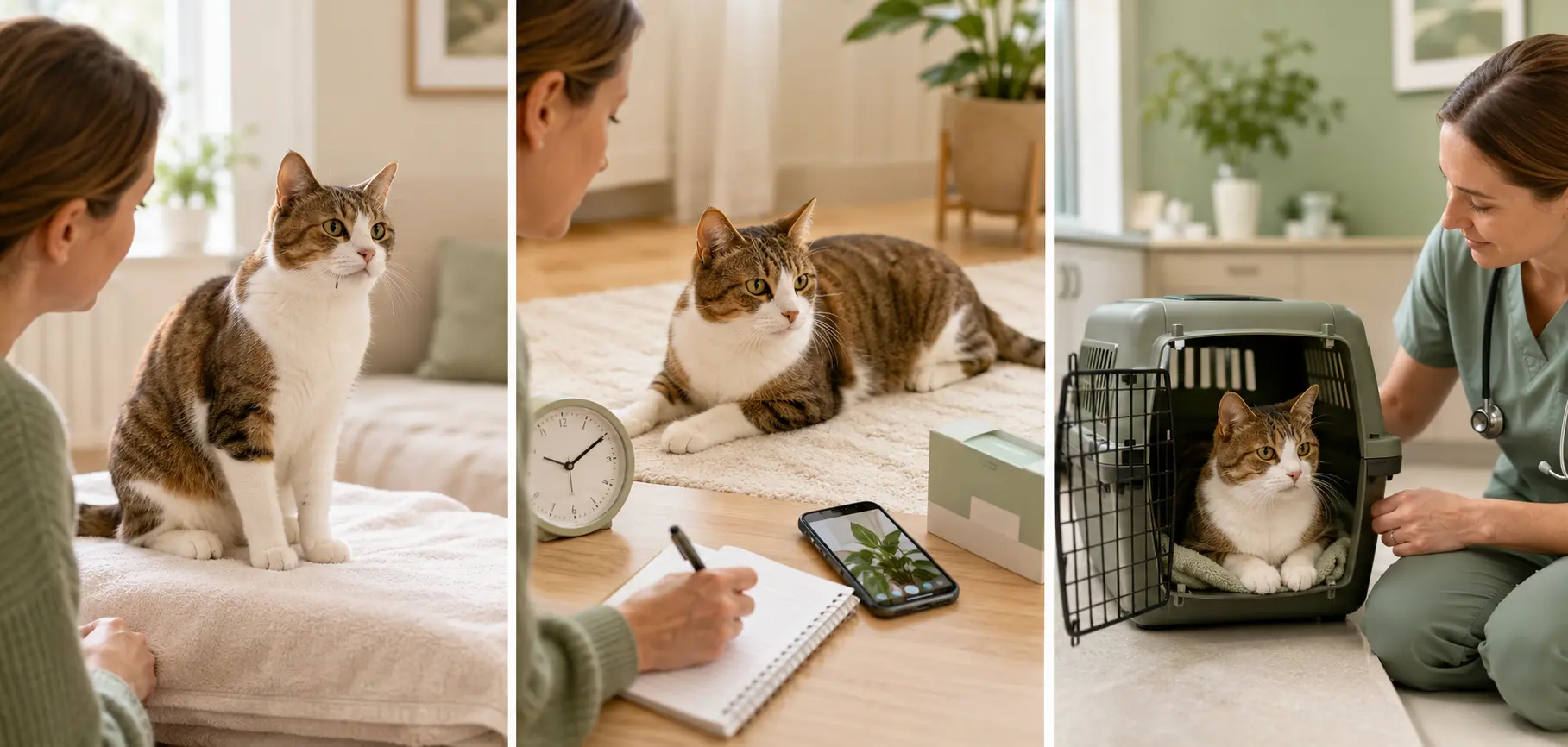
- 1Watch and time the change
Note whether saliva is clear, foamy, coloured or bloody and look for swallowing trouble, pawing at the mouth, vomiting, weakness or breathing changes.
- 2Keep useful evidence
Write down timing and possible food, plant, medicine or product exposure; keep packaging or a photo without restraining the cat for a mouth check.
- 3Call for individual triage
Contact a veterinarian promptly for new persistent drooling and urgently for toxin concern, breathing trouble, collapse, severe weakness or inability to swallow.
What you may notice
Notice whether saliva is clear, foamy, bloody or foul-smelling, and whether it began around food, travel or medication. Start with the change from your own cat's normal. A single photograph, short video or written note can capture details that disappear by the time an appointment begins. Do not provoke the symptom for a better recording, and never delay urgent care to collect evidence.
What it could mean
Nausea, dental pain, mouth injury, toxins, heat stress and swallowing problems are among many possibilities. These are categories, not a diagnosis. Cats often show the same outward sign for very different conditions. Age, medications, indoor or outdoor access, recent procedures, diet, toxin exposure and other symptoms all change the interpretation. A physical examination and sometimes laboratory tests or imaging are needed to separate them.
What to do now
Keep the cat calm, remove possible toxins and photograph the saliva and mouth only if this is safe. Keep handling quiet and minimal. Put the cat in a comfortable room or carrier where you can observe breathing, movement and litter use. Do not offer a new medicine, supplement or leftover prescription. A treatment that helped another cat—or even the same cat last year—may hide signs, cause toxicity or be wrong for the current problem.
Red flags
Sudden heavy drooling with breathing trouble, collapse, pawing at the mouth, toxin exposure or inability to swallow is urgent. Other universal emergency signs include blue or very pale gums, seizures, collapse, severe weakness, uncontrolled bleeding and obvious difficulty breathing. Trust the overall picture. A cat who looks dramatically different, cannot settle or is rapidly deteriorating deserves urgent professional assessment even when no single checklist item fits perfectly.
Why cats can look better than they feel
Cats often protect themselves by becoming quiet rather than displaying illness loudly. They may still purr, walk to a familiar place or take one treat despite significant pain. Eating something does not rule out dental disease, obstruction or nausea. Purring can occur during stress. Use changes in posture, routine, grooming, social contact and movement together instead of relying on one reassuring behavior.
Make a useful symptom timeline
Write the first time you noticed the change, whether it is constant or intermittent, and what happened beforehand. Add meals, water intake, urine, stool, vomiting, medications and energy. If several people care for the cat, use one shared note. A timeline helps the veterinarian distinguish a sudden event from a slow trend and prevents important details from being lost during a stressful consultation.
Check appetite accurately
Do not record appetite as simply good or bad. Note the amount offered and eaten, interest in treats, chewing or swallowing difficulty and whether another pet could have eaten the food. A cat may approach the bowl because they are hungry but retreat because of nausea or pain. Meaningfully reduced intake deserves prompt attention because cats can develop serious complications when they do not eat enough.
Watch the litter box
Count urine clumps and stools and compare their size with normal. Record straining, crying, repeated visits, blood, diarrhea or accidents. In a multi-cat home, temporary separate boxes may identify which cat is affected. Repeated straining with little or no urine is an emergency, particularly in a male cat. Never assume litter-box straining is constipation until urine obstruction has been excluded.
DEEPER GUIDE21 more detailed sectionsOpen +
Count resting breaths safely
When the cat is asleep or completely relaxed and not purring, count each rise and fall of the chest for 30 seconds and multiply by two. Record the number and visible effort. Do not restrain the cat to count. Open-mouth breathing, strong abdominal effort, blue gums or an inability to rest comfortably needs emergency care, regardless of the exact number.
Check gum color without a struggle
If your cat calmly permits it, lift the lip briefly in good light. Healthy pigment varies, so compare with the cat's usual color. Very pale, white, blue, gray or yellow gums can be significant. Stop if the cat resists or breathing seems difficult. A gum check is only one clue and should never postpone a call when the cat is weak, collapsed or distressed.
Medication safety
Many human medicines are dangerous to cats, including common pain relievers. Never give paracetamol, ibuprofen, aspirin, cold medicine, antihistamine or topical cream unless a veterinarian has supplied an exact plan for this cat. Cats process drugs differently from humans and dogs. If medication has already been swallowed, keep the package and call a veterinarian or animal poison service immediately rather than waiting for symptoms.
Food and water while you arrange care
Keep fresh water available unless a veterinarian instructs otherwise. Do not force water or syringe-feed a weak, nauseated or poorly swallowing cat because material can enter the lungs. Offer a small amount of familiar food only when the cat is alert and interested. Do not use rich human food to test appetite. Tell the clinic when the cat last ate, drank, urinated and passed stool.
Prepare for the call
Have the cat's age, weight, diagnoses, medications and symptom timeline ready. State the most concerning sign first. Mention possible toxins, falls, fights, string, plants or recent anesthesia even if uncertain. Ask whether the cat should be seen immediately, how to transport safely and whether food or medication should be withheld. If the clinic cannot see the cat, ask which emergency service to use.
Transport with less stress
Use a secure carrier lined with a towel. Remove a hard top if that lets a painful cat be lowered in gently, then fasten it correctly. Keep the carrier level and the car quiet and cool. Do not open it outdoors or in an unsecured vehicle. For breathing problems, minimize handling and call ahead so the team can prepare oxygen and reduce waiting.
Kittens need a lower threshold
Kittens have small reserves and can deteriorate quickly with poor intake, vomiting, diarrhea, parasites, low temperature or low blood sugar. Their normal behavior also changes rapidly as they grow, so clear lethargy matters. Contact a veterinarian sooner rather than trying several home remedies. Very young kittens who are cold, weak, not nursing or struggling to breathe need urgent professional help.
Senior cats deserve the same urgency
New changes should not be dismissed as normal aging. Older cats commonly develop more than one condition, and pain, kidney disease, thyroid disease, high blood pressure, diabetes, dental disease and cognitive changes may overlap. Monthly weight and muscle checks help reveal slow decline. A sudden change in appetite, movement, vision, breathing, thirst, grooming or litter habits warrants veterinary assessment.
Multi-cat homes can hide the patient
Shared bowls and boxes make it hard to know which cat is eating, drinking, urinating or vomiting. When safe, give the affected cat a quiet room with individual resources for a short observation period. Do not isolate a cat with breathing distress or severe illness merely to gather data; seek care. Clean shared items and wash hands if infection or parasites could be involved.
What not to do
Do not press a painful abdomen, pull visible string, squeeze a lump, lance an abscess, probe an ear or force open an injured mouth. Avoid peroxide, alcohol, essential oils and random creams. Do not induce vomiting unless a veterinary professional directs you. Home treatment can worsen tissue damage, move a foreign body, hide useful findings or expose the cat to a second problem.
Questions the veterinarian may ask
Expect questions about onset, progression, appetite, thirst, urine, stool, vomiting, breathing, movement, outdoor access, trauma and possible toxins. The clinic may recommend examination, blood pressure, blood and urine testing, fecal testing, imaging, cytology or other targeted tests. Testing is not a sign that the symptom was described poorly; it is how similar-looking conditions are separated safely.
Build a normal-health baseline
The easiest change to recognize is one you can compare with a normal record. Once a month, note weight, appetite, water habits, urine clump size, stool, grooming, jumping and social behavior. Take relaxed photographs from above and from the side. Keep vaccination, parasite prevention, medicines and previous test results together. This should remain a simple routine, not constant surveillance. A short baseline gives both you and the veterinary team better context when something genuinely changes.
Use video without stressing the cat
Film from a respectful distance in ordinary light. Include the whole body when recording walking, breathing, coughing or unusual posture, then move closer only if the cat remains comfortable. Ten clear seconds can be more useful than several minutes of shaky footage. Do not chase, repeatedly wake or deliberately trigger an episode. Say the date and time or label the file immediately. If the cat is distressed, stop recording and prioritize the call or journey to the clinic.
Clean safely while preserving clues
Wear gloves for blood, urine, vomit, diarrhea or draining wounds and wash hands afterward. Keep children and other pets away until the area is cleaned. Before discarding material, take a photograph and ask whether the clinic wants a fresh sample. Use ordinary pet-safe cleaning methods and avoid strong fumes near the cat. Save packaging from medicines, chemicals, plants or food. Hygiene protects the household, while a carefully collected sample may shorten the route to an answer.
Think about the home environment
Recent building work, new cleaners, lilies or other plants, pest products, essential oils, human medicine, string toys and unsecured windows can provide important clues. So can a visiting animal, fight, escape, heatwave or change in food. Walk through the previous 48 hours without assuming one event caused the problem. Tell the veterinarian what is possible, not only what is certain. An uncertain exposure is still useful information when paired with timing and symptoms.
Prevent the next missed change
Place food and water where amounts can be seen, keep litter boxes accessible and scoop them daily, and handle the cat gently enough to notice skin, mouth and movement changes. Maintain regular preventive examinations even when the cat appears well. Senior cats often benefit from more frequent checks. Prevention does not guarantee that illness will never occur; it creates more chances to find a problem while treatment choices are broader and the cat still feels relatively well.
Caregiver judgment matters
Online symptom lists are intentionally broad because the same sign can sit at the beginning of a minor problem or a serious one. You know the cat's usual expression, movement and routines. If the combination feels wrong, call. A veterinary professional can ask targeted questions and decide whether monitoring, a scheduled visit or emergency assessment is appropriate. Seeking advice early is not overreacting. It is a sensible use of professional triage for an animal who cannot explain what hurts.
After the appointment
Follow dose, timing and food instructions exactly and confirm how to give each medicine. Ask which changes should trigger a recheck or emergency visit. Keep a daily record and attend follow-up testing even if the cat seems improved, because symptoms can fade before the underlying problem is resolved. Never stop a prescribed medicine early or share it with another pet without permission.
The practical bottom line
Notice whether saliva is clear, foamy, bloody or foul-smelling, and whether it began around food, travel or medication. Keep the cat calm, remove possible toxins and photograph the saliva and mouth only if this is safe. This guide helps you observe and communicate; it cannot diagnose the cause. When signs are severe, sudden, painful, worsening or combined with poor appetite, weakness or breathing change, choose professional veterinary advice. It is always acceptable to call and learn that a situation can be monitored. Waiting through a true emergency is the riskier mistake.
Use the saliva and the situation together
Note whether the saliva is clear, rope-like, foamy, bloody or foul-smelling and whether it began around eating, travel, medication, a plant or household chemical. Then check appetite, swallowing, breath, pawing at the mouth, vomiting and behaviour. Do not force open a painful mouth.
Know when drooling cannot wait
Seek urgent help for breathing difficulty, collapse, severe weakness, heat exposure, suspected poisoning, repeated vomiting or inability to swallow. String hanging from the mouth must never be pulled. Persistent new drooling deserves a veterinary mouth and health examination even when the cat still eats.
Your quick checklist
Your progress is saved on this device.
What to do now
Do not use this guide to delay care. Start with the first step and follow the veterinary professional's instructions.
- 1Describe the saliva and note when it began.
- 2Check breathing, swallowing, appetite and possible plant, chemical or medicine exposure.
- 3Arrange an examination for new or repeated drooling even if the cat still eats.
Common mistakes
×Forcing open a painful mouth.
×Pulling visible string from the mouth.
×Waiting for symptoms after possible poisoning.
Questions cat people ask
Why is my cat suddenly drooling?+
Mouth pain, nausea, swallowing trouble, medication, heat illness and toxins are among the possibilities. The appearance of the saliva and accompanying signs determine urgency.
When is cat drooling an emergency?+
Breathing difficulty, collapse, heat exposure, suspected poisoning, inability to swallow, seizures or severe weakness needs immediate veterinary help.
Still looking for the right answer?
Search the full EverYes Cats encyclopedia with your own words — a symptom, food, behaviour, breed or everyday question.
Checked, dated and transparent
- Prepared by
- EverYes Cats editorial team
- Last updated
- 8 August 2026
- Source checked
- 8 August 2026
- Primary reference
- AAHA Dental Care Guidelines ↗
We begin with the named reference, rewrite the information in plain language and add practical cat-parent steps. Urgent health statements are checked against veterinary sources. This guide has not been individually reviewed by a veterinarian unless explicitly stated. It provides education, not diagnosis or treatment.
Spotted something unclear or outdated? Tell us so we can review it.
Your answer helps us improve the cat encyclopedia.
Compare the gumline around several teeth and note bleeding, odor, tartar, chewing changes and appetite.