Blood in a cat’s urine
Blood in a cat's urine is never normal and needs prompt veterinary assessment. Confirm whether urine is actually passing, record colour and clump size, and treat repeated straining with drops or no urine—especially in a male cat—as an immediate emergency.
 Topic illustration selected for this guide. Some learning images may be AI-assisted.
This sign can be urgent. Call a veterinarian or emergency clinic now for individual triage; do not wait for this article to diagnose the cause.
Blood in a cat’s urine — the quick answer
✓ Contact a veterinarian the same day and track whether urine is actually produced.
✓ Straining with little or no urine, especially in a male cat, is an immediate emergency.
✓ This information supports observation and does not replace veterinary diagnosis.
Look for pink urine, red drops, clots, frequent visits, crying and the size of urine clumps. This guide explains what to record, what not to do and when veterinary care becomes urgent.
Treat visible blood as health information
Pink, red or brown urine is not normal. The most urgent question is whether urine is passing, because blockage can become life-threatening quickly.

- 1Check output without touching it
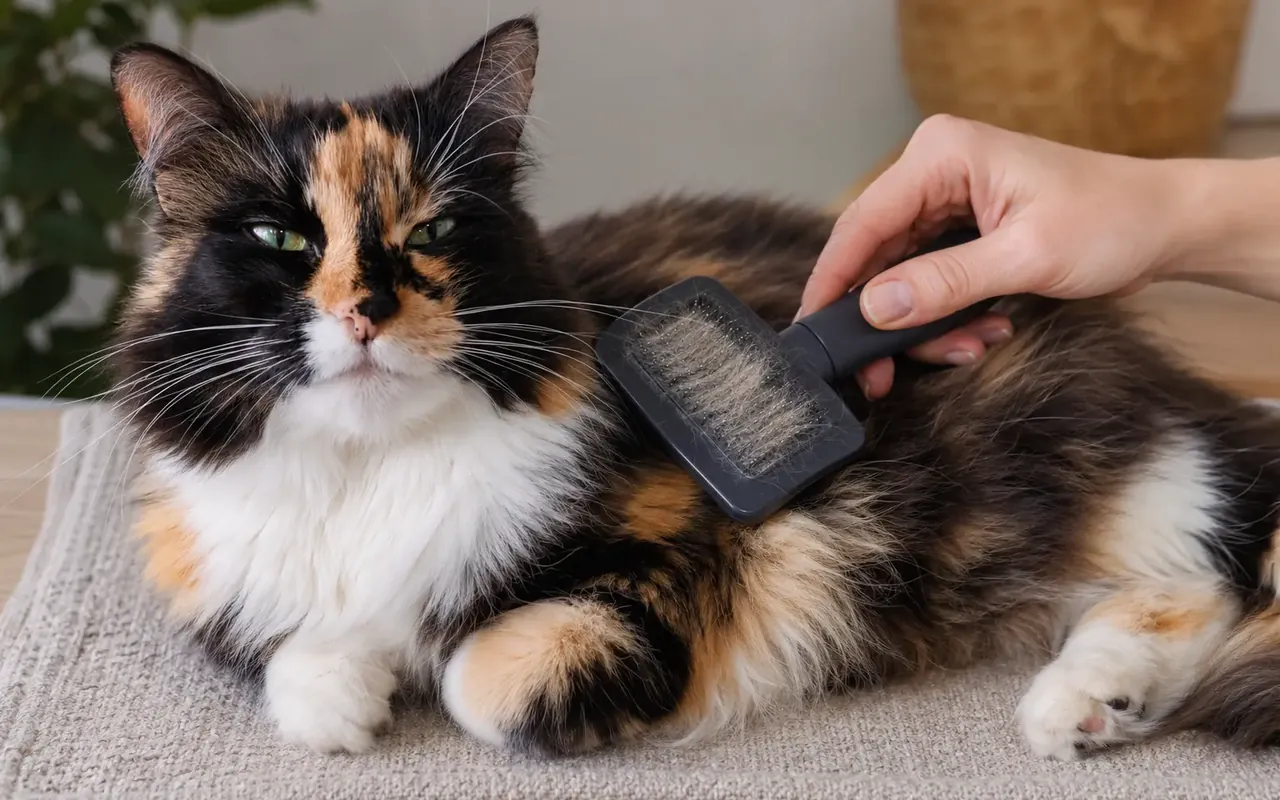
Look for urine amount, colour and recent clumps while noting repeated visits, straining, crying, genital licking, vomiting, weakness or abdominal discomfort.
- 2Keep useful evidence
Photograph the litter if helpful, keep the cat indoors with a clean accessible box and record frequency and volume without pressing the abdomen or giving medicine.
- 3Call promptly—and urgently for blockage signs
Arrange same-day veterinary advice for visible blood; seek emergency care immediately for repeated straining with little or no urine, severe distress, vomiting or collapse.
Confirm urine output before focusing on colour
Check every litter-box visit and note whether a normal stream or clump is produced. Pink urine, red drops or clots matter, but the most urgent question is whether urine can leave the bladder. Repeated squatting with only drops or nothing, crying, restlessness, vomiting or a painful abdomen can signal obstruction. Do not wait for visible blood before treating no urine as an emergency.
Separate urinary blood from other sources
Blood near the box can also come from stool, the skin, reproductive tract or a wound. Photograph the litter and inspect bedding without repeatedly handling the cat. Note sex, neuter status, genital licking, stool, trauma and recent procedures. Do not press the abdomen or try to express the bladder to identify the source; this is painful and potentially dangerous.
Give no leftover antibiotic or pain medicine
Bladder inflammation, stones, obstruction, infection and other disease can cause overlapping signs. Antibiotics are not automatically appropriate, and human painkillers can be toxic to cats. Keep water freely available unless the clinic directs otherwise, offer familiar food if the cat is comfortable and do not change to an improvised urinary diet before urine and examination findings guide treatment.
Prepare an accurate timeline for the clinic
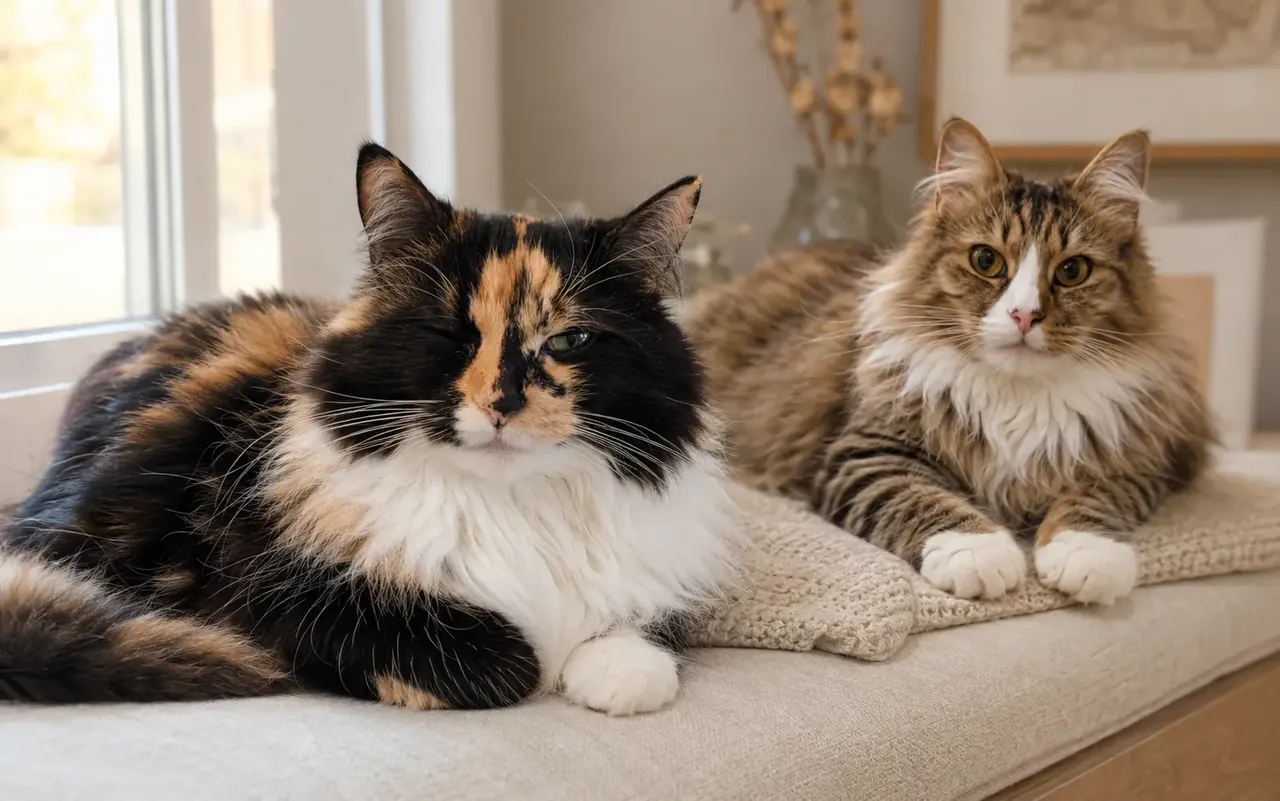
Record the last normal urination, number of attempts, clump sizes, colour, appetite, vomiting, medications, diet and previous urinary episodes. In a multi-cat home, separate resources briefly only when the cat is stable and this does not delay care. The veterinarian may use examination, urinalysis, culture, imaging and blood tests to distinguish causes that cannot be separated at home.
Know the emergency threshold
Go to emergency care immediately for repeated unproductive straining, only tiny drops with worsening distress, vomiting, weakness, collapse or a firm painful abdomen. Male cats have particular obstruction risk, but any cat unable to urinate needs urgent treatment. Use a secure carrier, call ahead and do not offer medication or force water during transport.
Your quick checklist
Loading saved progress…
What to do now
Do not use this guide to delay care. Start with the first step and follow the veterinary professional's instructions.
- 1Contact a veterinarian the same day and report frequency, volume, straining and sex.
- 2Treat repeated unproductive straining, crying, vomiting or collapse as an emergency.
- 3Keep the cat indoors with a clean box so urine output can be observed.
Common mistakes
×Assuming blood is only a mild infection.
×Waiting overnight when a male cat may be blocked.
×Giving human pain medicine or leftover antibiotics.
Questions cat people ask
What causes blood in a cat's urine?+
Bladder inflammation, stones, infection, trauma and other disease are possible. Testing is needed because signs overlap.
When is blood in urine an emergency?+
A cat producing little or no urine while straining—especially a male cat—may have a life-threatening obstruction and needs emergency care immediately.
Still looking for the right answer?
Search the full EverYes Cats encyclopedia with your own words — a symptom, food, behaviour, breed or everyday question.
Checked, dated and transparent
- Prepared by
- EverYes Cats editorial team
- Last updated
- Source checked
- Primary reference
- Cornell Feline Health Center: Feline Lower Urinary Tract Disease ↗
We begin with the named reference, rewrite the information in plain language and add practical cat-parent steps. Urgent health statements are checked against veterinary sources. This guide has not been individually reviewed by a veterinarian unless explicitly stated. It provides education, not diagnosis or treatment.
How we choose and use sources →
Spotted something unclear or outdated? Tell us so we can review it.
Loading your saved choice…
Blood in a cat's vomit can appear as bright red streaks, clots or dark coffee-ground material. Contact a veterinarian the same day, and treat more than a trace or illness signs as urgent.
 02
 04
 05