A broken tooth in a cat is not just cosmetic
A broken cat tooth may expose sensitive tissue or hide damage below the gumline even when the cat still eats. Prevent hard chewing, do not test or file the tooth and arrange a veterinary dental assessment; facial trauma, jaw misalignment or heavy bleeding is urgent.
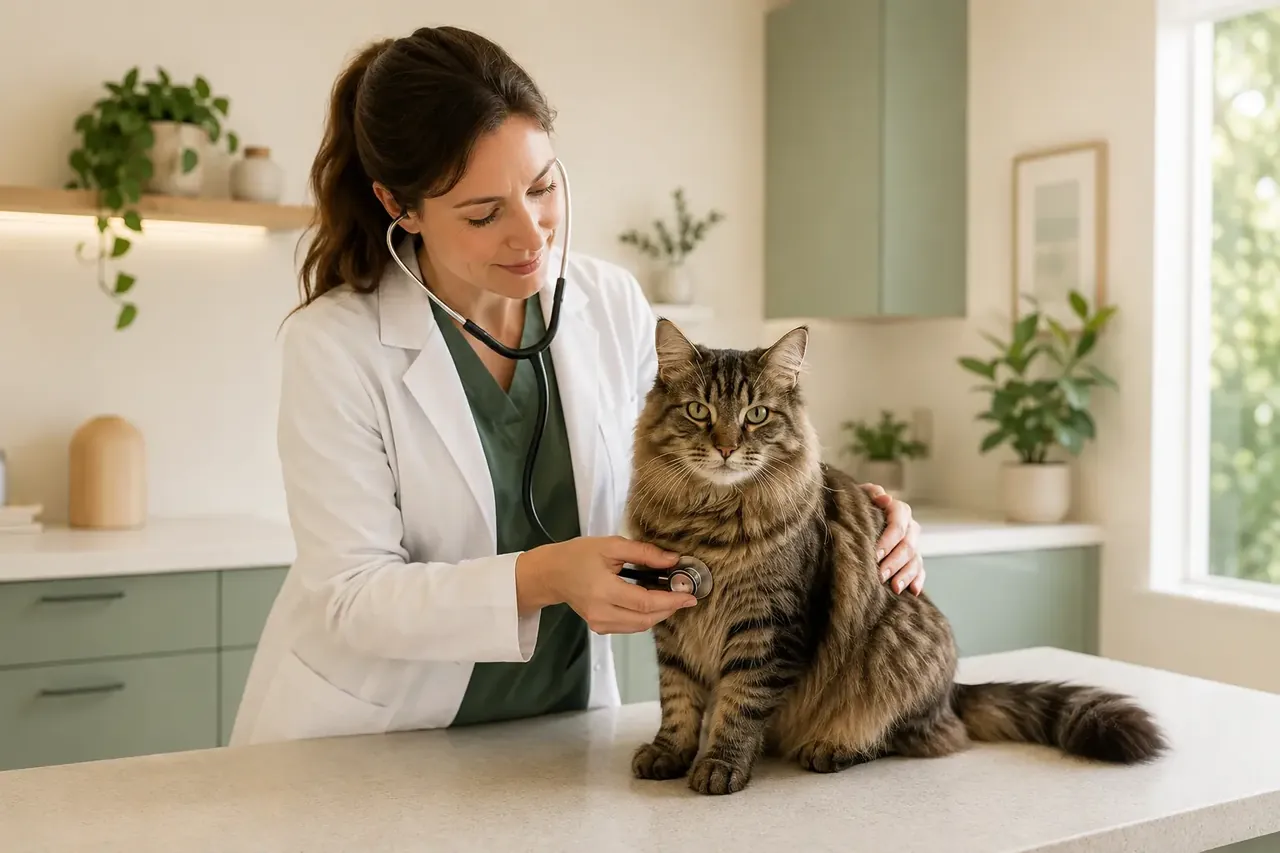 Topic illustration selected for this guide. Some learning images may be AI-assisted.
This sign can be urgent. Call a veterinarian or emergency clinic now for individual triage; do not wait for this article to diagnose the cause.
A broken tooth in a cat is not just cosmetic — the quick answer
✓ Prevent hard treats and arrange a veterinary dental assessment even if the cat still eats.
✓ Heavy bleeding, facial trauma, jaw misalignment or inability to close the mouth is urgent.
✓ This information supports observation and does not replace veterinary diagnosis.
Look for a missing tip, pink or dark center, sharp edge, drooling, face rubbing or chewing on one side. This guide explains what to record, what not to do and when veterinary care becomes urgent.
Record what changed without touching it
Photograph the tooth only if the cat allows a calm lip lift. Note a missing tip, sharp edge, crack, colour change or pink, red, brown or dark centre, plus bleeding and the time of any fall, fight or chewing incident. Do not tap the tooth, test whether it moves or compare pain by pressing the opposite side.
Do not let normal eating dismiss pain
Cats may swallow kibble with little chewing or continue eating on the other side. Watch for jaw chattering, head jerks, food dropping, slow chewing, drooling, face rubbing, reduced grooming or reluctance to take hard treats. A tooth can be painful or infected without loud crying, obvious swelling or complete appetite loss.
Protect the mouth until the appointment
Remove hard treats, bones and rigid chew objects and offer familiar food in the texture the cat accepts without force. Keep the cat indoors and reduce jumping after suspected facial trauma. Do not file a sharp edge, glue a fragment, apply numbing gel, brush directly over the tooth or give human painkillers or leftover antibiotics.
Arrange dental imaging and treatment
The visible crown is only part of the tooth. Dental radiographs help show root fracture, pulp exposure and damage under the gum. Depending on the tooth and injury, treatment may involve extraction or specialist endodontic care rather than waiting for the tooth to seal itself. Early evaluation can reduce prolonged pain and infection risk.
Treat facial trauma as more than one tooth
After a fall, vehicle incident or blow, look for unequal jaw position, inability to close the mouth, facial asymmetry, nose bleeding, eye change, breathing difficulty and unusual neurologic behaviour. Use a carrier and avoid manipulating the jaw. Heavy bleeding, breathing trouble, collapse or an obviously displaced jaw requires emergency assessment.
Monitor after dental treatment
Follow food texture, medication and activity instructions exactly and prevent pawing at the mouth if the clinic advises protection. Record appetite and comfort without repeatedly inspecting the site. Contact the clinic for renewed bleeding, swelling, foul odour, wound opening, vomiting after medication, poor intake or pain, and attend every recommended recheck.
Your quick checklist
Loading saved progress…
What to do now
Do not use this guide to delay care. Start with the first step and follow the veterinary professional's instructions.
- 1Observe your cat’s individual baseline.
- 2Make one gentle change at a time.
- 3Ask a qualified professional when health or safety is involved.
Common mistakes
×Waiting for a dramatic symptom instead of noticing smaller changes from the cat’s normal routine.
×Changing several things at once, making it difficult to learn what actually helped.
×Treating general guidance as a substitute for advice from a veterinarian who knows the individual cat.
Questions cat people ask
Does every cat follow the same rule?+
No. Age, health, history, temperament and environment all change what works for an individual.
When should I seek professional help?+
Seek veterinary advice for sudden, persistent or concerning changes and urgent help for breathing difficulty, collapse, seizures, poisoning or urinary obstruction signs.
Still looking for the right answer?
Search the full EverYes Cats encyclopedia with your own words — a symptom, food, behaviour, breed or everyday question.
Checked, dated and transparent
- Prepared by
- EverYes Cats editorial team
- Last updated
- Source checked
- Primary reference
- AAHA Dental Care Guidelines for Dogs and Cats ↗
We begin with the named reference, rewrite the information in plain language and add practical cat-parent steps. Urgent health statements are checked against veterinary sources. This guide has not been individually reviewed by a veterinarian unless explicitly stated. It provides education, not diagnosis or treatment.
How we choose and use sources →
Spotted something unclear or outdated? Tell us so we can review it.
Loading your saved choice…
Red, swollen or bleeding gums are not a normal effect of age. Gingivitis, periodontal disease, tooth resorption and more extensive mouth inflammation can be painful even when a cat continues eating, so persistent change needs a veterinary dental examination.
 01
 03
 05
 06