A sudden change in cat urine odor
A sudden strong urine smell can reflect a dirty box or concentrated urine, but persistent change with thirst, larger clumps, frequent attempts, blood or illness needs veterinary assessment. Odour alone cannot diagnose infection, diabetes or kidney disease.
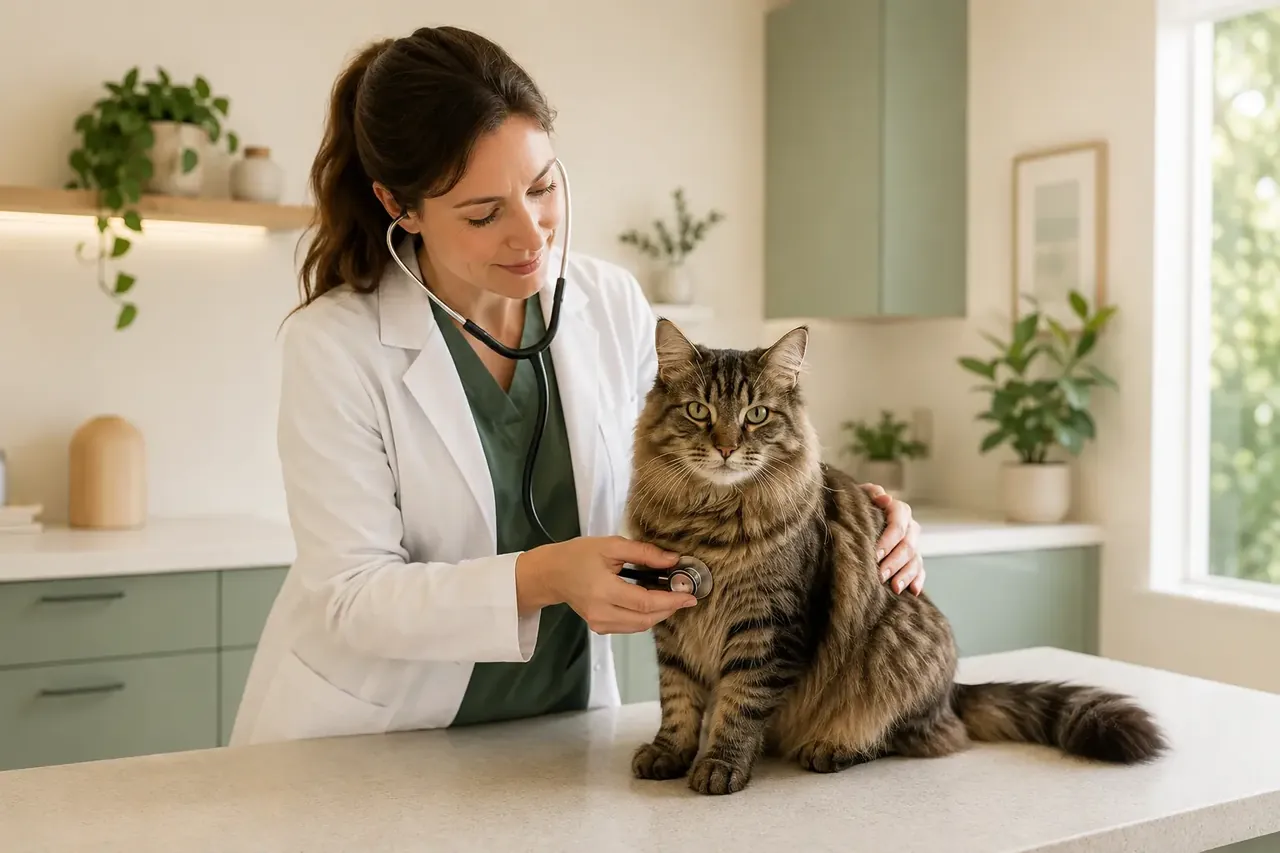
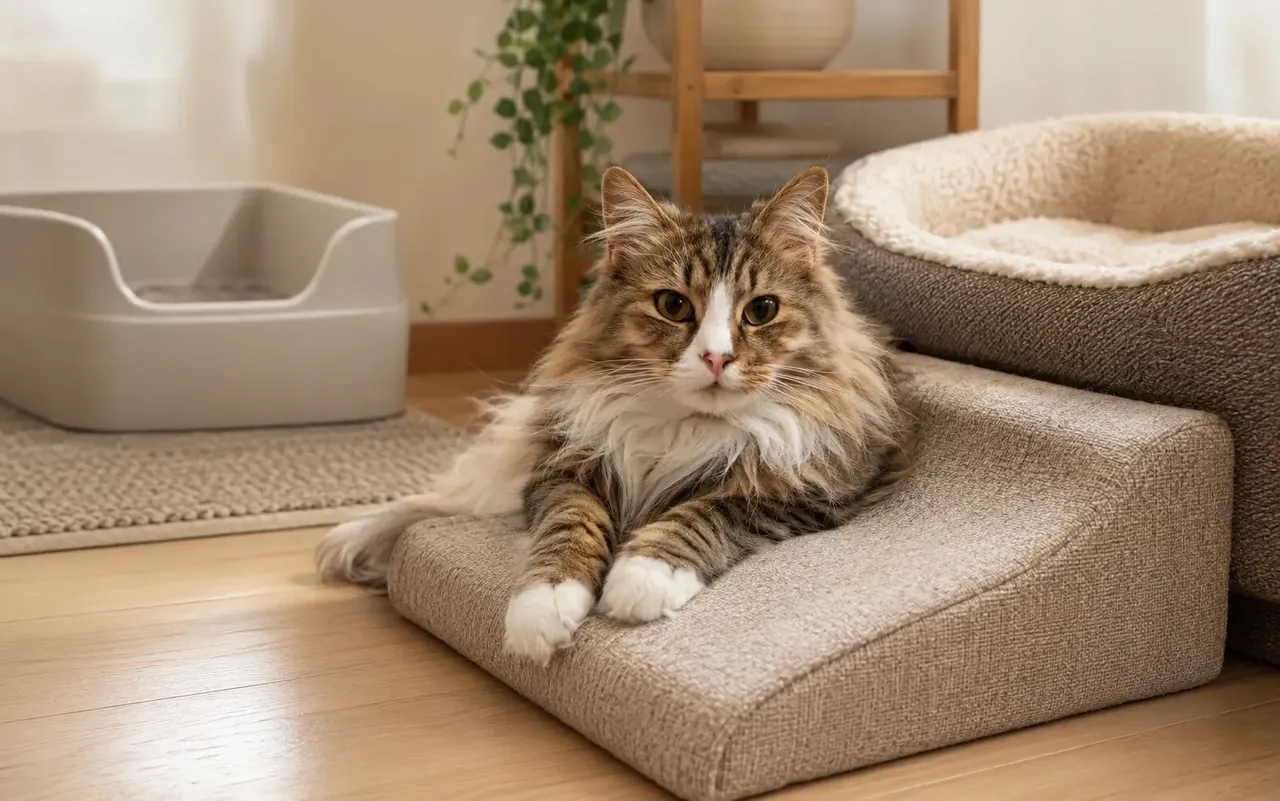 Topic illustration selected for this guide. Some learning images may be AI-assisted.
This sign can be urgent. Call a veterinarian or emergency clinic now for individual triage; do not wait for this article to diagnose the cause.
A sudden change in cat urine odor — the quick answer
✓ Clean the box, record changes and arrange care if the odor persists or other signs occur.
✓ Straining, no urine, blood, vomiting, weakness or marked thirst needs prompt or emergency care.
✓ This information supports observation and does not replace veterinary diagnosis.
Compare clump size, frequency, color, thirst, diet and whether the box itself needs cleaning. This guide explains what to record, what not to do and when veterinary care becomes urgent.
First separate the box from the urine
Scoop the box, note when it was fully washed and check whether old urine has reached seams, mats or flooring. Use mild unscented cleaning appropriate for the material and rinse as directed. Do not use perfume, ammonia or essential oils to cover smell. Then observe whether freshly passed urine itself seems different rather than relying on accumulated box odour.
Record colour, frequency and volume
Count clumps and compare their size with the cat's usual pattern. Note dark, pink, red or brown colour, repeated tiny spots, large volumes, accidents, licking, crying or straining. In a multi-cat household, temporary supervised separation with normal resources may help identify the cat, but never reduce access to water or litter for the sake of monitoring.
Treat smell as a clue, not a diagnosis
Concentrated urine, diet and box conditions can alter odour, while urinary inflammation, infection, diabetes and other metabolic changes are among veterinary considerations. Smell cannot identify bacteria or prove kidney function. Do not use human urine strips, taste, close repeated sniffing or an internet colour chart as a substitute for a properly collected and interpreted urine sample.
Look for wider metabolic changes
Increased thirst, larger clumps, weight loss despite appetite or unusual sweet breath can occur with diabetes. Kidney and other disease may change thirst, urine, appetite and energy. Conversely, frequent tiny painful attempts suggest a lower urinary problem. Record the complete pattern so the clinic can decide how urgently the cat should be examined.
Arrange veterinary assessment for persistence
Contact the clinic for a new odour that persists after the box is cleaned or occurs with thirst, weight, appetite, urine-volume or behaviour change. Bring a photograph of abnormal colour and a medication and diet list. Collect a urine sample only with the clinic's instructions; contamination and delay can make a home sample misleading.
Make unproductive straining an emergency
Repeated attempts with little or no urine, crying, vomiting, a painful abdomen, marked restlessness, weakness or collapse can indicate obstruction and requires immediate emergency care, especially in male cats. Do not press the abdomen, give painkillers or wait overnight. The presence or absence of a strong smell does not change that urgency.
Your quick checklist
Loading saved progress…
What to do now
Do not use this guide to delay care. Start with the first step and follow the veterinary professional's instructions.
- 1Observe your cat’s individual baseline.
- 2Make one gentle change at a time.
- 3Ask a qualified professional when health or safety is involved.
Common mistakes
×Waiting for a dramatic symptom instead of noticing smaller changes from the cat’s normal routine.
×Changing several things at once, making it difficult to learn what actually helped.
×Treating general guidance as a substitute for advice from a veterinarian who knows the individual cat.
Questions cat people ask
Does every cat follow the same rule?+
No. Age, health, history, temperament and environment all change what works for an individual.
When should I seek professional help?+
Seek veterinary advice for sudden, persistent or concerning changes and urgent help for breathing difficulty, collapse, seizures, poisoning or urinary obstruction signs.
Still looking for the right answer?
Search the full EverYes Cats encyclopedia with your own words — a symptom, food, behaviour, breed or everyday question.
Checked, dated and transparent
- Prepared by
- EverYes Cats editorial team
- Last updated
- Source checked
- Primary reference
- Cornell Feline Health Center: The Special Needs of the Senior Cat ↗
We begin with the named reference, rewrite the information in plain language and add practical cat-parent steps. Urgent health statements are checked against veterinary sources. This guide has not been individually reviewed by a veterinarian unless explicitly stated. It provides education, not diagnosis or treatment.
How we choose and use sources →
Spotted something unclear or outdated? Tell us so we can review it.
Loading your saved choice…
Wet bedding, dribbling while walking or urine passed during sleep can represent true incontinence, overflow, urinary disease, pain or neurologic problems. Keep skin clean and dry, provide easy litter access and arrange veterinary assessment rather than assuming a behaviour problem.
 01
 02
 03
 05