Unequal pupils in cats: when anisocoria is urgent
Unequal pupil sizes in a cat are called anisocoria. A sudden change can signal painful eye disease, nerve damage or another emergency, so compare both eyes without bright light and seek veterinary care immediately.
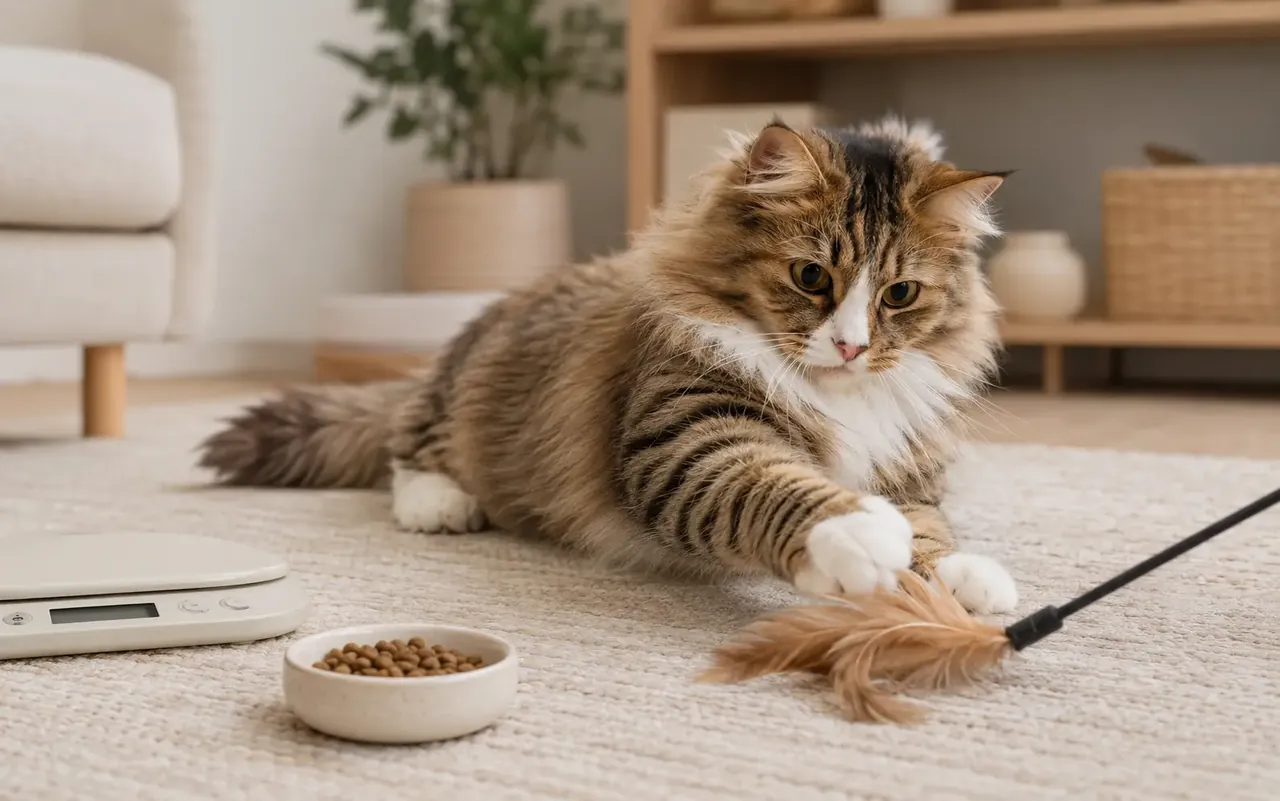 Topic illustration selected for this guide. Some learning images may be AI-assisted.
This sign can be urgent. Call a veterinarian or emergency clinic now for individual triage; do not wait for this article to diagnose the cause.
Unequal pupils in cats: when anisocoria is urgent — the quick answer
✓ Keep the cat indoors in dim comfortable light and obtain same-day veterinary advice.
✓ Sudden blindness, trauma, severe pain, collapse or other neurologic signs is an emergency.
✓ This information supports observation and does not replace veterinary diagnosis.
Compare pupils in the same light and look for squinting, cloudiness, redness, third eyelid or vision change. This guide explains what to record, what not to do and when veterinary care becomes urgent.
Confirm the change in ordinary light
Look at both eyes together in the same steady room light and note which pupil appears larger. Take one clear photograph if this is easy, but do not shine a torch repeatedly, cover one eye or wave objects toward the face. Reflections, viewing angle and changing light can create a misleading difference.
Check for eye pain and vision change
Record squinting, redness, cloudiness, discharge, rubbing, a raised third eyelid, bumping into objects or reluctance to move. Also note whether the pupil is an unusual shape or fails to change with normal room light. Do not press the eye or force the eyelids open.
Treat sudden anisocoria as urgent
Contact a veterinarian or emergency clinic immediately when unequal pupils appear suddenly. Eye inflammation, glaucoma, retinal disease, trauma and nerve or brain disorders can look similar at home, and timely assessment may matter for vision. Do not wait overnight merely because the cat is still eating.
Keep the cat safe while arranging care
Keep the cat indoors in a quiet, dim but navigable room, block stairs and prevent jumping if vision or balance seems altered. Transport in a secure carrier. Bring photographs showing when the pupils looked normal and list recent trauma, medication, flea products or possible chemical exposure.
Use no unprescribed eye treatment
Do not use human redness drops, leftover antibiotic or steroid drops, painkillers or another animal's medication. Different causes require different treatment, and some drops can worsen corneal injury or glaucoma. Avoid rinsing the eye unless a veterinary professional gives exposure-specific instructions.
Escalate combined neurological signs
Collapse, seizures, confusion, inability to walk, head trauma, sudden blindness, severe eye pain or breathing difficulty requires emergency care. A pupil difference that disappears should still be reported if it was new, recurrent or accompanied by any other abnormal sign.
Your quick checklist
Loading saved progress…
What to do now
Do not use this guide to delay care. Start with the first step and follow the veterinary professional's instructions.
- 1Observe your cat’s individual baseline.
- 2Make one gentle change at a time.
- 3Ask a qualified professional when health or safety is involved.
Common mistakes
×Waiting for a dramatic symptom instead of noticing smaller changes from the cat’s normal routine.
×Changing several things at once, making it difficult to learn what actually helped.
×Treating general guidance as a substitute for advice from a veterinarian who knows the individual cat.
Questions cat people ask
Does every cat follow the same rule?+
No. Age, health, history, temperament and environment all change what works for an individual.
When should I seek professional help?+
Seek veterinary advice for sudden, persistent or concerning changes and urgent help for breathing difficulty, collapse, seizures, poisoning or urinary obstruction signs.
Still looking for the right answer?
Search the full EverYes Cats encyclopedia with your own words — a symptom, food, behaviour, breed or everyday question.
Checked, dated and transparent
- Prepared by
- EverYes Cats editorial team
- Last updated
- Source checked
- Primary reference
- Cornell Feline Health Center: Feline Vision Problems ↗
We begin with the named reference, rewrite the information in plain language and add practical cat-parent steps. Urgent health statements are checked against veterinary sources. This guide has not been individually reviewed by a veterinarian unless explicitly stated. It provides education, not diagnosis or treatment.
How we choose and use sources →
Spotted something unclear or outdated? Tell us so we can review it.
Loading your saved choice…
A broken cat tooth may expose sensitive tissue or hide damage below the gumline even when the cat still eats. Prevent hard chewing, do not test or file the tooth and arrange a veterinary dental assessment; facial trauma, jaw misalignment or heavy bleeding is urgent.
 01
 02
 03
 06