A sore that will not heal on a cat
A scab, ulcer or sore that persists, enlarges or repeatedly returns needs veterinary examination. Infection, allergy, parasites, self-trauma and skin cancer can resemble one another, so document it and avoid human creams or repeated home treatment.
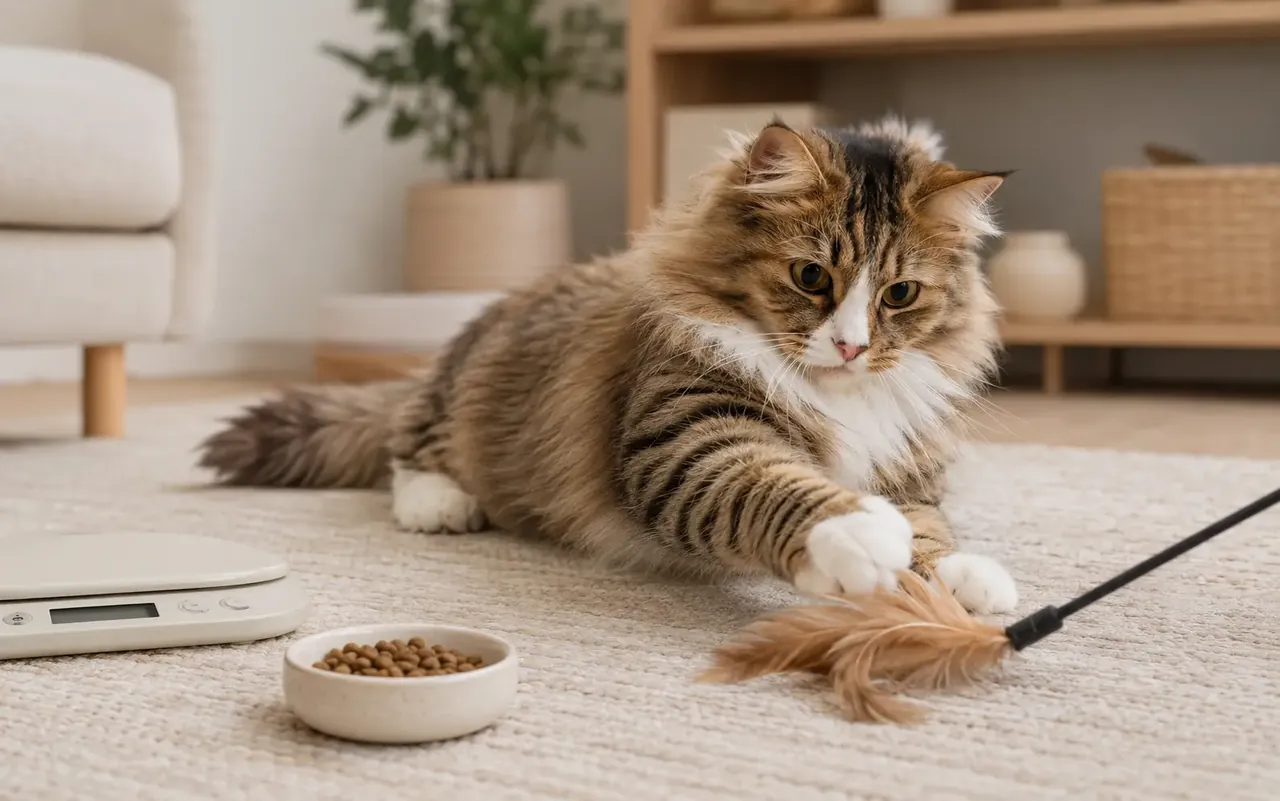 Topic illustration selected for this guide. Some learning images may be AI-assisted.
A sore that will not heal on a cat — the quick answer
✓ Prevent licking if safely possible and arrange an examination; do not apply human creams.
✓ Rapid spread, deep tissue, fever, weakness, heavy bleeding or facial swelling needs prompt care.
✓ This information supports observation and does not replace veterinary diagnosis.
Record duration, location, size, crust, discharge, licking and sun exposure, especially on pale ears or noses. This guide explains what to record, what not to do and when veterinary care becomes urgent.
Create a simple dated record
Photograph the area in consistent light beside a ruler without touching the sore. Note when it began, location, size, colour, crust, discharge, odour, bleeding, pain and licking. Record whether it seemed to heal and reopened. A timeline helps show change but cannot identify the cause.
Arrange examination rather than waiting
Book veterinary care for a sore that does not steadily heal, keeps returning or grows. Infection, allergy, parasites, immune disease, repeated trauma and tumours can look alike. Small scabby sores on pale ears, eyelids, nose or lips deserve particular attention because sun-associated squamous cell carcinoma can begin subtly.
Prevent self-trauma safely
Keep the cat indoors and stop licking or scratching only with a correctly fitted, clinic-approved collar or garment that does not rub the lesion. Do not bandage the face, neck or torso at home. Trim no tissue or crust, and do not shave close to inflamed skin with scissors or clippers.
Apply no unprescribed product
Avoid human antibiotic, steroid, antifungal or pain cream, essential oils, disinfectant, peroxide, alcohol, powder and sunscreen unless a veterinarian selects a cat-safe product. Cats can ingest topical substances while grooming, and inappropriate treatment may delay healing or obscure samples needed for diagnosis.
Reduce sun exposure without improvising sunscreen
For sores on lightly pigmented ears or noses, keep the cat indoors during strong sunlight and use shade or ultraviolet-screening measures while awaiting advice. Human sunscreen is not automatically safe for cats, especially near the eyes or where it can be licked, so request a veterinary recommendation.
Escalate rapid or severe change
Urgent care is needed for uncontrolled bleeding, deep or rapidly spreading tissue damage, facial swelling, foul discharge with illness, fever signs, marked weakness, severe pain or breathing and swallowing difficulty. Do not postpone care because a crust temporarily covers the surface.
Your quick checklist
Loading saved progress…
Three simple things you can do
You do not have to change everything today. Pick one step that feels realistic, try it and see how your cat responds.
- 1Observe your cat’s individual baseline.
- 2Make one gentle change at a time.
- 3Ask a qualified professional when health or safety is involved.
Common mistakes
×Waiting for a dramatic symptom instead of noticing smaller changes from the cat’s normal routine.
×Changing several things at once, making it difficult to learn what actually helped.
×Treating general guidance as a substitute for advice from a veterinarian who knows the individual cat.
Questions cat people ask
Does every cat follow the same rule?+
No. Age, health, history, temperament and environment all change what works for an individual.
When should I seek professional help?+
Seek veterinary advice for sudden, persistent or concerning changes and urgent help for breathing difficulty, collapse, seizures, poisoning or urinary obstruction signs.
Still looking for the right answer?
Search the full EverYes Cats encyclopedia with your own words — a symptom, food, behaviour, breed or everyday question.
Checked, dated and transparent
- Prepared by
- EverYes Cats editorial team
- Last updated
- Source checked
- Primary reference
- Cornell Feline Health Center: Squamous Cell Cancer ↗
We begin with the named reference, rewrite the information in plain language and add practical cat-parent steps. Urgent health statements are checked against veterinary sources. This guide has not been individually reviewed by a veterinarian unless explicitly stated. It provides education, not diagnosis or treatment.
How we choose and use sources →
Spotted something unclear or outdated? Tell us so we can review it.
Loading your saved choice…
A broken cat tooth may expose sensitive tissue or hide damage below the gumline even when the cat still eats. Prevent hard chewing, do not test or file the tooth and arrange a veterinary dental assessment; facial trauma, jaw misalignment or heavy bleeding is urgent.
 01
 02
 03
 06