Noisy breathing in cats
New noisy breathing may arise from the nose, throat or lower airways, and sound alone cannot show how serious it is. Keep the cat calm, record a brief natural video and treat open-mouth or effortful breathing as an emergency.
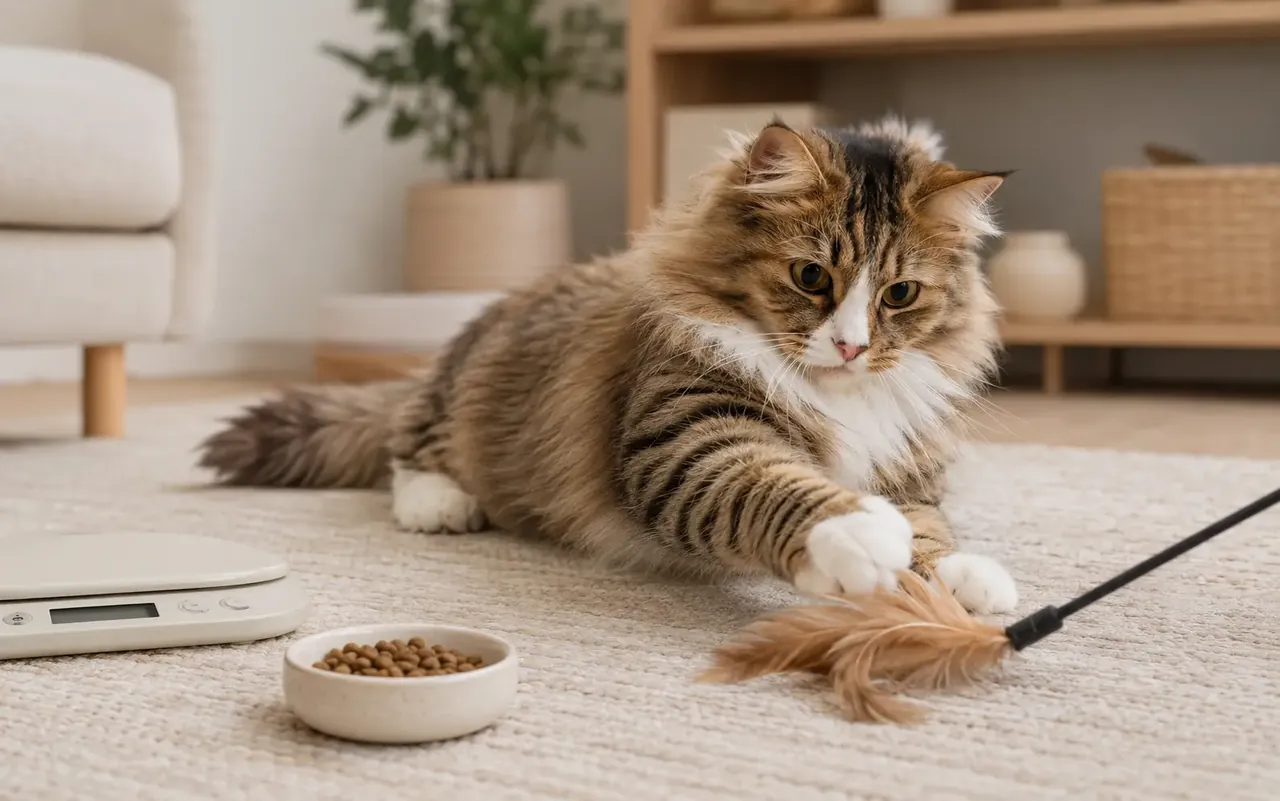 Topic illustration selected for this guide. Some learning images may be AI-assisted.
This sign can be urgent. Call a veterinarian or emergency clinic now for individual triage; do not wait for this article to diagnose the cause.
Noisy breathing in cats — the quick answer
✓ Keep the cat cool and calm and record a short video without delaying veterinary advice.
✓ Open-mouth breathing, blue gums, collapse, strong abdominal effort or inability to settle is an emergency.
✓ This information supports observation and does not replace veterinary diagnosis.
Record whether the sound occurs on breathing in or out, at rest or asleep, and note effort and posture. This guide explains what to record, what not to do and when veterinary care becomes urgent.
Observe before handling
From a short distance, note whether the noise occurs while breathing in, out or both, and whether it is present during quiet rest or sleep. Record posture, chest and abdominal movement, nasal discharge, cough, voice change and the time it began. Do not chase or restrain the cat to listen more closely.
Separate noise from breathing effort
A snore, whistle, wheeze or harsh sound does not identify its source. More important warning signs include open-mouth breathing, an extended neck, elbows held away from the chest, strong abdominal movement, inability to lie down, blue-grey gums or collapse. Any of these requires immediate emergency care.
Keep air and surroundings calm
Move other pets and people away, keep the room comfortably cool and stop play or travel preparation that increases stress. Avoid smoke, aerosols, fragrance, steam treatments and essential oils. Do not place the cat in a hot bathroom or attempt to clear the throat with fingers.
Contact a veterinarian promptly
New persistent noisy breathing needs veterinary assessment even when the cat appears comfortable. Nasal congestion, polyps, throat disease, airway narrowing, asthma, infection, heart disease and fluid around the lungs can overlap. A video may help describe the sound but cannot replace examination and oxygen assessment.
Give no human cold or breathing medicine
Decongestants, cough mixtures, inhalers and painkillers intended for people can be dangerous to cats. Do not start antibiotics or reuse a prescribed inhaler without the current veterinary plan. If medicine already exists for this cat, follow the clinic's written rescue instructions exactly.
Transport with minimal stress
Call ahead so the clinic can prepare. Use a well-ventilated carrier, allow the cat to choose the position that makes breathing easiest and avoid compressing the chest. Do not delay departure to count breaths repeatedly or obtain a perfect recording when effort is visible.
Your quick checklist
Loading saved progress…
What to do now
Do not use this guide to delay care. Start with the first step and follow the veterinary professional's instructions.
- 1Observe your cat’s individual baseline.
- 2Make one gentle change at a time.
- 3Ask a qualified professional when health or safety is involved.
Common mistakes
×Waiting for a dramatic symptom instead of noticing smaller changes from the cat’s normal routine.
×Changing several things at once, making it difficult to learn what actually helped.
×Treating general guidance as a substitute for advice from a veterinarian who knows the individual cat.
Questions cat people ask
Does every cat follow the same rule?+
No. Age, health, history, temperament and environment all change what works for an individual.
When should I seek professional help?+
Seek veterinary advice for sudden, persistent or concerning changes and urgent help for breathing difficulty, collapse, seizures, poisoning or urinary obstruction signs.
Still looking for the right answer?
Search the full EverYes Cats encyclopedia with your own words — a symptom, food, behaviour, breed or everyday question.
Checked, dated and transparent
- Prepared by
- EverYes Cats editorial team
- Last updated
- Source checked
- Primary reference
- Merck Veterinary Manual: Lung and Airway Disorders of Cats ↗
We begin with the named reference, rewrite the information in plain language and add practical cat-parent steps. Urgent health statements are checked against veterinary sources. This guide has not been individually reviewed by a veterinarian unless explicitly stated. It provides education, not diagnosis or treatment.
How we choose and use sources →
Spotted something unclear or outdated? Tell us so we can review it.
Loading your saved choice…
A broken cat tooth may expose sensitive tissue or hide damage below the gumline even when the cat still eats. Prevent hard chewing, do not test or file the tooth and arrange a veterinary dental assessment; facial trauma, jaw misalignment or heavy bleeding is urgent.
 01
 02
 03
 06