Low body temperature in cats
A cat that is cold, weak or poorly responsive may have hypothermia, shock or severe illness. Move the cat to a dry warm environment, wrap loosely, avoid direct high heat and seek urgent veterinary care for profound weakness, pale or blue gums, trauma or breathing changes.
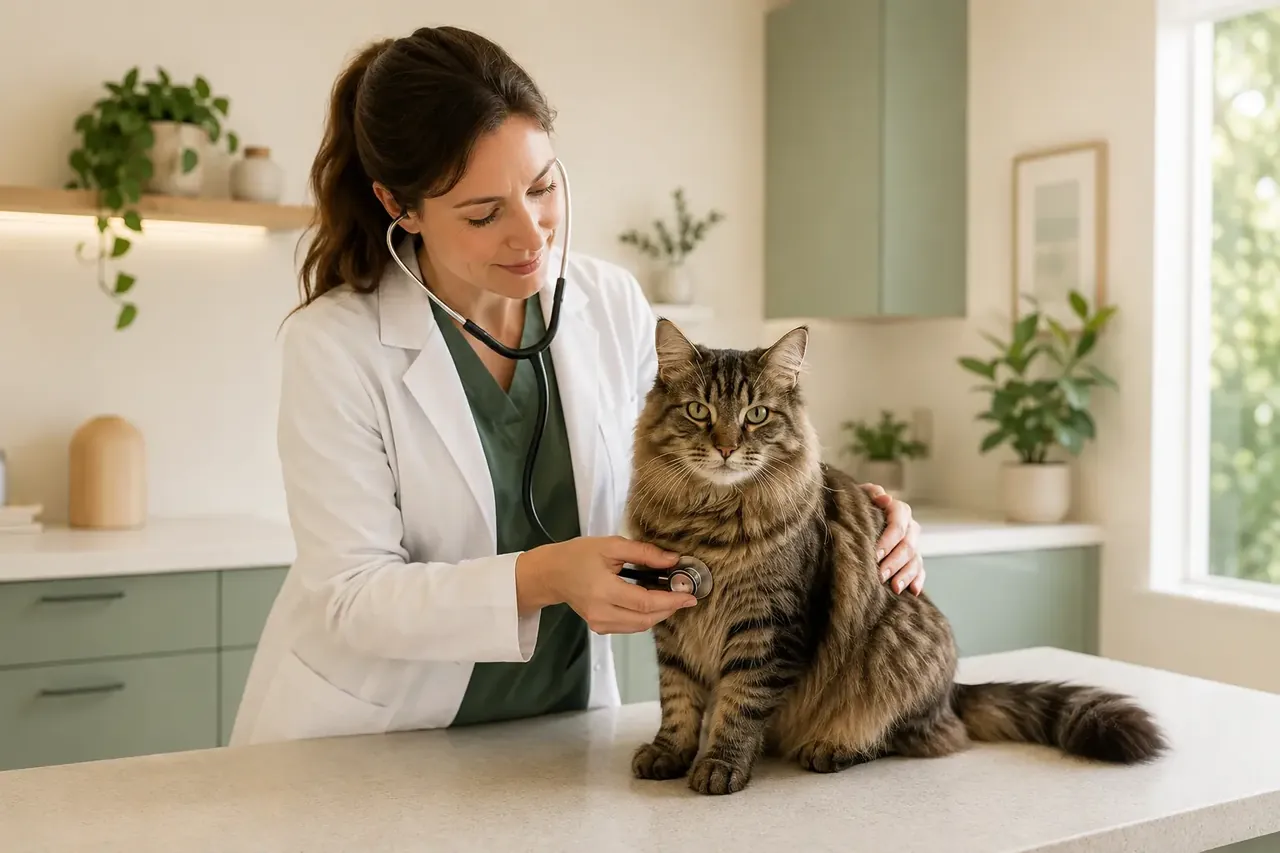 Topic illustration selected for this guide. Some learning images may be AI-assisted.
This sign can be urgent. Call a veterinarian or emergency clinic now for individual triage; do not wait for this article to diagnose the cause.
Low body temperature in cats — the quick answer
✓ Wrap the cat in dry blankets and seek veterinary care; warm gradually without direct high heat.
✓ Collapse, pale or blue gums, breathing changes, trauma or profound weakness is immediate emergency care.
✓ This information supports observation and does not replace veterinary diagnosis.
Notice cold extremities, weakness, slow responses, shivering or lack of shivering and recent cold exposure. This guide explains what to record, what not to do and when veterinary care becomes urgent.
Look at responsiveness and breathing first
Cold ears or paws alone do not confirm low core temperature. Observe awareness, ability to stand, shivering, breathing effort and gum colour while considering wet fur, outdoor exposure, anesthesia, trauma, illness and age. A collapsed, minimally responsive or abnormally breathing cat needs emergency care immediately; do not delay transport to obtain a perfect temperature reading.
Move the cat to warmth and keep them dry
Bring the cat indoors, remove wet material and wrap the body loosely in dry towels or blankets while keeping the face and airway clear. Use a secure carrier and keep movement gentle, particularly after trauma. Very young, senior, thin and ill cats may lose heat quickly and deserve a lower threshold for professional assessment.
Warm gradually without burns
Do not place the cat directly on a heating pad, electric blanket, radiator or hot-water bottle. Weak or poorly responsive cats may not move away and can be burned. Avoid hair dryers and vigorous rubbing. Veterinary teams use controlled warming while monitoring circulation and temperature; home wrapping is temporary support during the call and journey, not complete treatment.
Do not force food or warm liquid
A weak, cold or poorly responsive cat may not swallow safely. Do not syringe water, milk, sugar solution or food and do not pour liquid into the mouth. Give nothing by mouth unless the veterinary team instructs you based on the individual situation. Kittens with possible low blood sugar or chilling need prompt expert guidance rather than improvised feeding.
Consider illness as well as weather
Low temperature can occur with shock, severe infection, heart or metabolic disease, blood loss, poisoning and other emergencies, not only cold exposure. Report vomiting, diarrhoea, wounds, pale gums, medication, possible toxins, recent anesthesia and the last normal meal and urine. A warming cat may still require urgent testing and treatment for the underlying cause.
Continue monitoring after apparent recovery
A cat that becomes more alert after wrapping can still deteriorate as circulation, toxins or injuries evolve. Attend the recommended examination and rechecks. During transport, keep the carrier level, dry and comfortably insulated without blocking ventilation. Escalate immediately for renewed weakness, collapse, abnormal breathing, seizures, uncontrolled bleeding or inability to stand.
Your quick checklist
Loading saved progress…
What to do now
Do not use this guide to delay care. Start with the first step and follow the veterinary professional's instructions.
- 1Observe your cat’s individual baseline.
- 2Make one gentle change at a time.
- 3Ask a qualified professional when health or safety is involved.
Common mistakes
×Waiting for a dramatic symptom instead of noticing smaller changes from the cat’s normal routine.
×Changing several things at once, making it difficult to learn what actually helped.
×Treating general guidance as a substitute for advice from a veterinarian who knows the individual cat.
Questions cat people ask
Does every cat follow the same rule?+
No. Age, health, history, temperament and environment all change what works for an individual.
When should I seek professional help?+
Seek veterinary advice for sudden, persistent or concerning changes and urgent help for breathing difficulty, collapse, seizures, poisoning or urinary obstruction signs.
Still looking for the right answer?
Search the full EverYes Cats encyclopedia with your own words — a symptom, food, behaviour, breed or everyday question.
Checked, dated and transparent
- Prepared by
- EverYes Cats editorial team
- Last updated
- Source checked
- Primary reference
- Merck Veterinary Manual: Fluid Resuscitation Plan ↗
We begin with the named reference, rewrite the information in plain language and add practical cat-parent steps. Urgent health statements are checked against veterinary sources. This guide has not been individually reviewed by a veterinarian unless explicitly stated. It provides education, not diagnosis or treatment.
How we choose and use sources →
Spotted something unclear or outdated? Tell us so we can review it.
Loading your saved choice…
A broken cat tooth may expose sensitive tissue or hide damage below the gumline even when the cat still eats. Prevent hard chewing, do not test or file the tooth and arrange a veterinary dental assessment; facial trauma, jaw misalignment or heavy bleeding is urgent.
 01
 02
 06