Lethargy in cats: more than just a sleepy day
Lethargy means a meaningful reduction in a cat's usual responsiveness, movement or interest—not simply a long nap. Compare normal routines, record associated signs and contact a veterinarian when the change is clear, persistent or combined with poor intake, pain, vomiting or breathing changes.
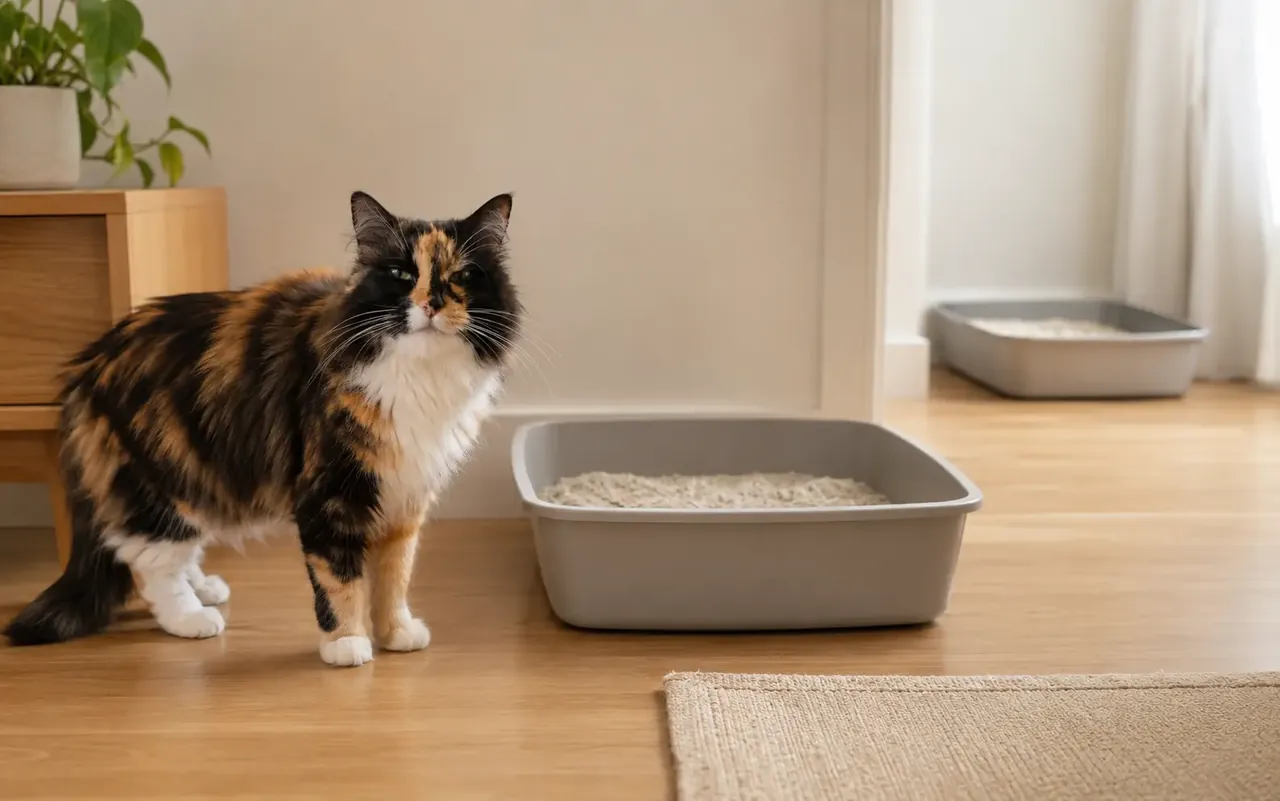
 Topic illustration selected for this guide. Some learning images may be AI-assisted.
This sign can be urgent. Call a veterinarian or emergency clinic now for individual triage; do not wait for this article to diagnose the cause.
Lethargy in cats: more than just a sleepy day — the quick answer
✓ Record associated changes and contact a veterinarian if the difference is clear or persists.
✓ Collapse, breathing difficulty, pale gums, toxin exposure, repeated vomiting or inability to stand is urgent.
✓ This information supports observation and does not replace veterinary diagnosis.
Compare with the cat's normal sleep, response to food, movement, grooming, social behavior and litter use. This guide explains what to record, what not to do and when veterinary care becomes urgent.
Distinguish sleep from reduced responsiveness
A normally sleeping cat changes position, wakes for familiar events and moves normally afterward. Concerning lethargy may appear as difficult waking, remaining in one place, little response to food or people, slow movement, hiding or abandoning grooming and play. Compare with this individual cat's normal day rather than a generic number of sleeping hours.
Check the essential functions without provoking activity
Observe breathing at rest, ability to stand and walk naturally, appetite, drinking and litter use. Look briefly at gum colour only if the cat calmly permits it. Do not make the cat run, jump or repeatedly wake to test energy. A short video of spontaneous movement can help, but recording must never delay care for a distressed cat.
Build the accompanying symptom pattern
Record vomiting, diarrhoea, constipation, urine changes, pain, limping, weight loss, fever signs, wounds, medication and possible toxins. Lethargy can accompany dehydration, anemia, infection, organ disease, pain and many other problems. Purring, eating one treat or walking a few steps does not rule out serious illness and should not reset the observation clock.
Offer a quiet safe setup
Keep the cat indoors in a comfortable room with easily reached water, familiar food, litter and bedding. Reduce stairs and jumping if movement is weak or painful. Do not force-feed or syringe water and do not give human medicine, supplements or leftover prescriptions. Follow clinic instructions about food before a visit rather than assuming fasting is needed.
Contact a veterinarian based on change and combination
Seek advice when the reduction in energy is clear, lasts beyond an ordinary rest period, recurs or appears with reduced intake, vomiting, diarrhoea, pain, weight change or altered urine. Kittens, seniors and cats with diabetes, kidney, heart or other diagnosed disease need earlier contact because they may have less reserve or medication-specific risks.
Recognise emergency lethargy
Collapse, inability to stand, open-mouth or laboured breathing, very pale, blue-grey or yellow gums, seizures, repeated vomiting, major trauma, toxin exposure, severe pain or a cat that is rapidly becoming less responsive requires emergency care. Move gently in a ventilated carrier and report the most serious sign first rather than describing the cat only as tired.
Your quick checklist
Loading saved progress…
What to do now
Do not use this guide to delay care. Start with the first step and follow the veterinary professional's instructions.
- 1Observe your cat’s individual baseline.
- 2Make one gentle change at a time.
- 3Ask a qualified professional when health or safety is involved.
Common mistakes
×Waiting for a dramatic symptom instead of noticing smaller changes from the cat’s normal routine.
×Changing several things at once, making it difficult to learn what actually helped.
×Treating general guidance as a substitute for advice from a veterinarian who knows the individual cat.
Questions cat people ask
Does every cat follow the same rule?+
No. Age, health, history, temperament and environment all change what works for an individual.
When should I seek professional help?+
Seek veterinary advice for sudden, persistent or concerning changes and urgent help for breathing difficulty, collapse, seizures, poisoning or urinary obstruction signs.
Still looking for the right answer?
Search the full EverYes Cats encyclopedia with your own words — a symptom, food, behaviour, breed or everyday question.
Checked, dated and transparent
- Prepared by
- EverYes Cats editorial team
- Last updated
- Source checked
- Primary reference
- Cornell Feline Health Center: Anemia ↗
We begin with the named reference, rewrite the information in plain language and add practical cat-parent steps. Urgent health statements are checked against veterinary sources. This guide has not been individually reviewed by a veterinarian unless explicitly stated. It provides education, not diagnosis or treatment.
How we choose and use sources →
Spotted something unclear or outdated? Tell us so we can review it.
Loading your saved choice…
A broken cat tooth may expose sensitive tissue or hide damage below the gumline even when the cat still eats. Prevent hard chewing, do not test or file the tooth and arrange a veterinary dental assessment; facial trauma, jaw misalignment or heavy bleeding is urgent.
 01
 02
 03
 06