Can you tell if a cat has a fever?
Warm ears, a dry nose or hiding cannot confirm fever in a cat. Look for a clear change in energy, appetite, movement and breathing, avoid human fever medicine and ask a veterinarian about safe temperature measurement and assessment.
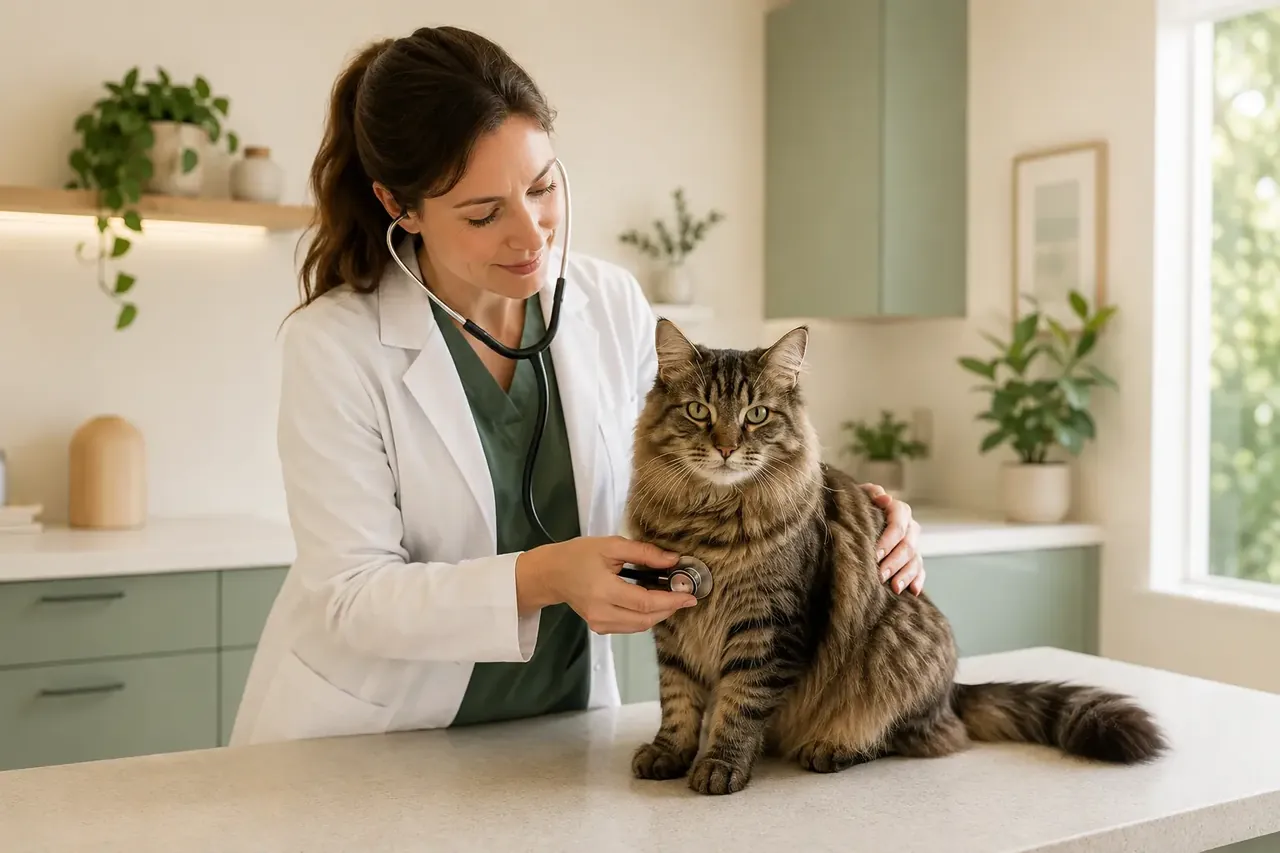
 Topic illustration selected for this guide. Some learning images may be AI-assisted.
This sign can be urgent. Call a veterinarian or emergency clinic now for individual triage; do not wait for this article to diagnose the cause.
Can you tell if a cat has a fever — the quick answer
✓ Do not give human fever medicine; contact a veterinarian for safe measurement and assessment.
✓ Breathing difficulty, collapse, seizures, severe weakness or suspected heatstroke is an emergency.
✓ This information supports observation and does not replace veterinary diagnosis.
Warm ears or a dry nose cannot confirm fever; note lethargy, appetite, shivering and breathing instead. This guide explains what to record, what not to do and when veterinary care becomes urgent.
Do not diagnose fever by touch
Ear, paw and nose temperature changes with sleep, grooming, room conditions and circulation. A cat can feel warm without fever or have a serious illness without feeling hot. Compare behaviour with the cat's normal: reduced appetite, unusual quietness, shivering, reluctance to move, faster breathing or hiding provides more useful context than touch alone.
Measure temperature only when it is safe
A normal feline rectal temperature is commonly listed around 38.1–39.2°C, but stress, technique and the individual situation affect interpretation. Rectal measurement can injure or frighten a resisting cat. Ask the veterinary team whether to measure at home and how; do not use forehead strips, human touch or an ear device not validated for pets as proof.
Separate fever from dangerous overheating
True fever and heatstroke are different processes even though body temperature may rise. Panting or open-mouth breathing, drooling, weakness, collapse, very red or pale gums, vomiting or recent heat exposure requires emergency care. Move the cat from heat, use only veterinary-directed cooling and never apply ice or submerge a distressed cat in cold water.
Record accompanying signs and exposures
Note appetite, water, urine, stool, vomiting, respiratory signs, wounds, limping, recent surgery, vaccination, new medication and outdoor or tick exposure. Fever can accompany infection, inflammation and many other conditions, so one symptom list cannot identify the cause. Keep sick cats away from other animals when an infectious exposure is plausible and call for advice.
Never give human fever or pain medicine
Paracetamol, ibuprofen and other common human products can be severely toxic to cats. Do not use aspirin, cold medicine, antibiotics, leftover pet medication or cooling rubs unless a veterinarian has prescribed the exact product and dose for this cat. If medicine has already been given, keep the package and seek urgent veterinary or poison advice immediately.
Know when veterinary care is urgent
Contact a veterinarian for a clear persistent illness change or an abnormal measured temperature. Seek emergency care for breathing difficulty, collapse, seizures, inability to stand, severe weakness, repeated vomiting, very pale or blue-grey gums, suspected poisoning or a kitten that becomes cold, quiet or stops feeding. Do not wait for a thermometer result when the cat is visibly deteriorating.
Your quick checklist
Loading saved progress…
What to do now
Do not use this guide to delay care. Start with the first step and follow the veterinary professional's instructions.
- 1Observe your cat’s individual baseline.
- 2Make one gentle change at a time.
- 3Ask a qualified professional when health or safety is involved.
Common mistakes
×Waiting for a dramatic symptom instead of noticing smaller changes from the cat’s normal routine.
×Changing several things at once, making it difficult to learn what actually helped.
×Treating general guidance as a substitute for advice from a veterinarian who knows the individual cat.
Questions cat people ask
Does every cat follow the same rule?+
No. Age, health, history, temperament and environment all change what works for an individual.
When should I seek professional help?+
Seek veterinary advice for sudden, persistent or concerning changes and urgent help for breathing difficulty, collapse, seizures, poisoning or urinary obstruction signs.
Still looking for the right answer?
Search the full EverYes Cats encyclopedia with your own words — a symptom, food, behaviour, breed or everyday question.
Checked, dated and transparent
- Prepared by
- EverYes Cats editorial team
- Last updated
- Source checked
- Primary reference
- Merck Veterinary Manual: Normal Rectal Temperature Ranges ↗
We begin with the named reference, rewrite the information in plain language and add practical cat-parent steps. Urgent health statements are checked against veterinary sources. This guide has not been individually reviewed by a veterinarian unless explicitly stated. It provides education, not diagnosis or treatment.
How we choose and use sources →
Spotted something unclear or outdated? Tell us so we can review it.
Loading your saved choice…
A broken cat tooth may expose sensitive tissue or hide damage below the gumline even when the cat still eats. Prevent hard chewing, do not test or file the tooth and arrange a veterinary dental assessment; facial trauma, jaw misalignment or heavy bleeding is urgent.
 01
 02
 03
 06