Fecal incontinence in cats
Stool leakage can result from diarrhea urgency, constipation overflow, pain, anal disease or neurologic problems. Keep the skin clean, document stool consistency and awareness, and arrange veterinary assessment—urgently for sudden hind-limb weakness, trauma or inability to urinate.
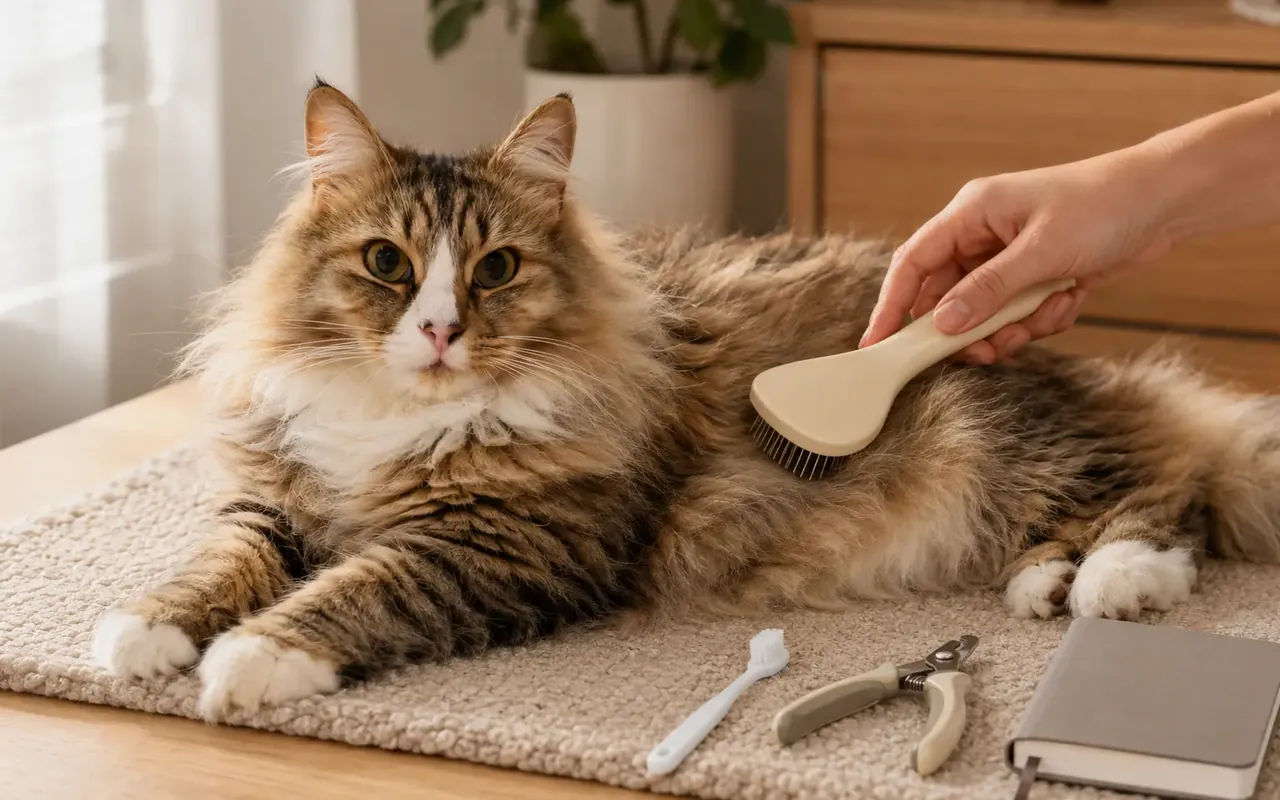
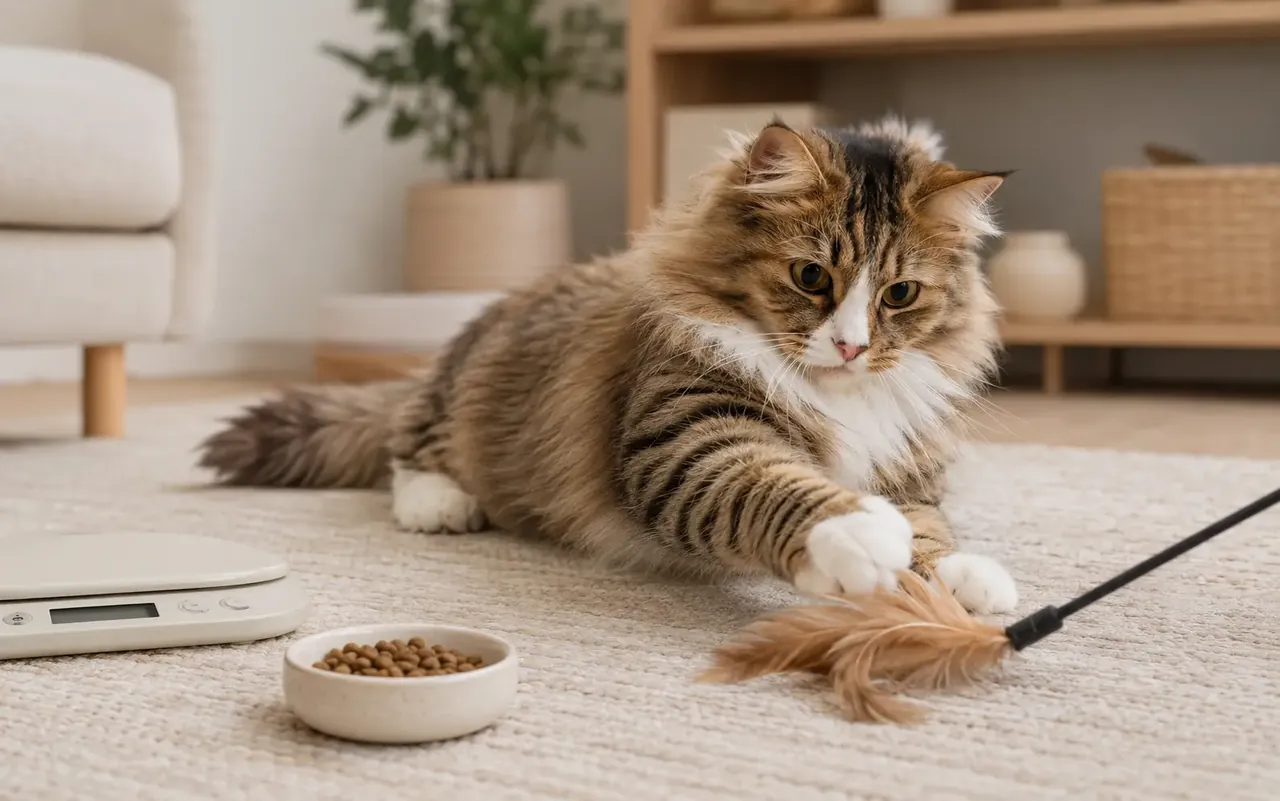 Topic illustration selected for this guide. Some learning images may be AI-assisted.
This sign can be urgent. Call a veterinarian or emergency clinic now for individual triage; do not wait for this article to diagnose the cause.
Fecal incontinence in cats — the quick answer
✓ Keep skin clean and dry, add easy-access boxes and arrange an examination.
✓ Sudden hind-limb weakness, severe pain, trauma, inability to urinate or marked illness is urgent.
✓ This information supports observation and does not replace veterinary diagnosis.
Note whether stool leaks during rest, the cat seems unaware, or urgency prevents reaching the box. This guide explains what to record, what not to do and when veterinary care becomes urgent.
Describe what incontinence looks like
Note whether formed stool drops during sleep or walking, liquid stool leaks before the cat reaches the box, or stool sticks to long fur after normal defecation. Record whether the cat seems aware, strains or assumes a normal posture. Photograph the stool and pattern without shaming or repeatedly moving the cat to the box.
Check stool, anus, movement and urine together
Record diarrhea, hard stool, mucus, blood, constipation, tail movement, hind-limb strength and litter-box access. Look externally for swelling, discharge or painful skin without squeezing anal sacs or inserting anything. Sudden weakness, back pain, trauma, loss of tail control or difficulty urinating can indicate a neurologic emergency and needs rapid assessment.
Protect skin without unsafe products
Remove stool gently with warm water or a plain damp cloth, dry the coat and trim only loose soiled fur if this is already safe and familiar. Do not use scented wipes, disinfectant, essential oils, diaper cream or human hemorrhoid products. Painful mats and inflamed skin need professional grooming or veterinary care rather than scissors close to thin skin.
Avoid random fiber, laxatives and diet changes
Overflow from constipation and urgency from diarrhea require different treatment. Do not add fiber, oil, laxatives, anti-diarrheal medicine or multiple new foods before veterinary advice. Keep water available and the familiar complete diet unless instructed otherwise. Bring a fresh stool sample if requested and report medicines, appetite, weight and recent diet or environment changes.
Arrange care and know urgent combinations
Repeated leakage, blood, pain, weight loss, constipation, diarrhea or anal swelling warrants examination. Same-day care is appropriate for marked lethargy, repeated vomiting, dehydration or a kitten becoming unwell. Sudden hind-limb weakness, severe spinal pain, major trauma, collapse, black tarry stool or inability to urinate requires urgent or emergency care.
Your quick checklist
Loading saved progress…
What to do now
Do not use this guide to delay care. Start with the first step and follow the veterinary professional's instructions.
- 1Observe your cat’s individual baseline.
- 2Make one gentle change at a time.
- 3Ask a qualified professional when health or safety is involved.
Common mistakes
×Waiting for a dramatic symptom instead of noticing smaller changes from the cat’s normal routine.
×Changing several things at once, making it difficult to learn what actually helped.
×Treating general guidance as a substitute for advice from a veterinarian who knows the individual cat.
Questions cat people ask
Does every cat follow the same rule?+
No. Age, health, history, temperament and environment all change what works for an individual.
When should I seek professional help?+
Seek veterinary advice for sudden, persistent or concerning changes and urgent help for breathing difficulty, collapse, seizures, poisoning or urinary obstruction signs.
Still looking for the right answer?
Search the full EverYes Cats encyclopedia with your own words — a symptom, food, behaviour, breed or everyday question.
Checked, dated and transparent
- Prepared by
- EverYes Cats editorial team
- Last updated
- Source checked
- Primary reference
- Merck Veterinary Manual: Digestive Disorders of Cats ↗
We begin with the named reference, rewrite the information in plain language and add practical cat-parent steps. Urgent health statements are checked against veterinary sources. This guide has not been individually reviewed by a veterinarian unless explicitly stated. It provides education, not diagnosis or treatment.
How we choose and use sources →
Spotted something unclear or outdated? Tell us so we can review it.
Loading your saved choice…
A broken cat tooth may expose sensitive tissue or hide damage below the gumline even when the cat still eats. Prevent hard chewing, do not test or file the tooth and arrange a veterinary dental assessment; facial trauma, jaw misalignment or heavy bleeding is urgent.
 01
 02
 03
 06