Why is my cat suddenly always hungry?
A cat that suddenly seems constantly hungry needs measured food and weight records, not unlimited extra meals. Hyperthyroidism, diabetes, digestive disease, parasites, medication, competition and underfeeding are among possibilities; veterinary examination separates them.
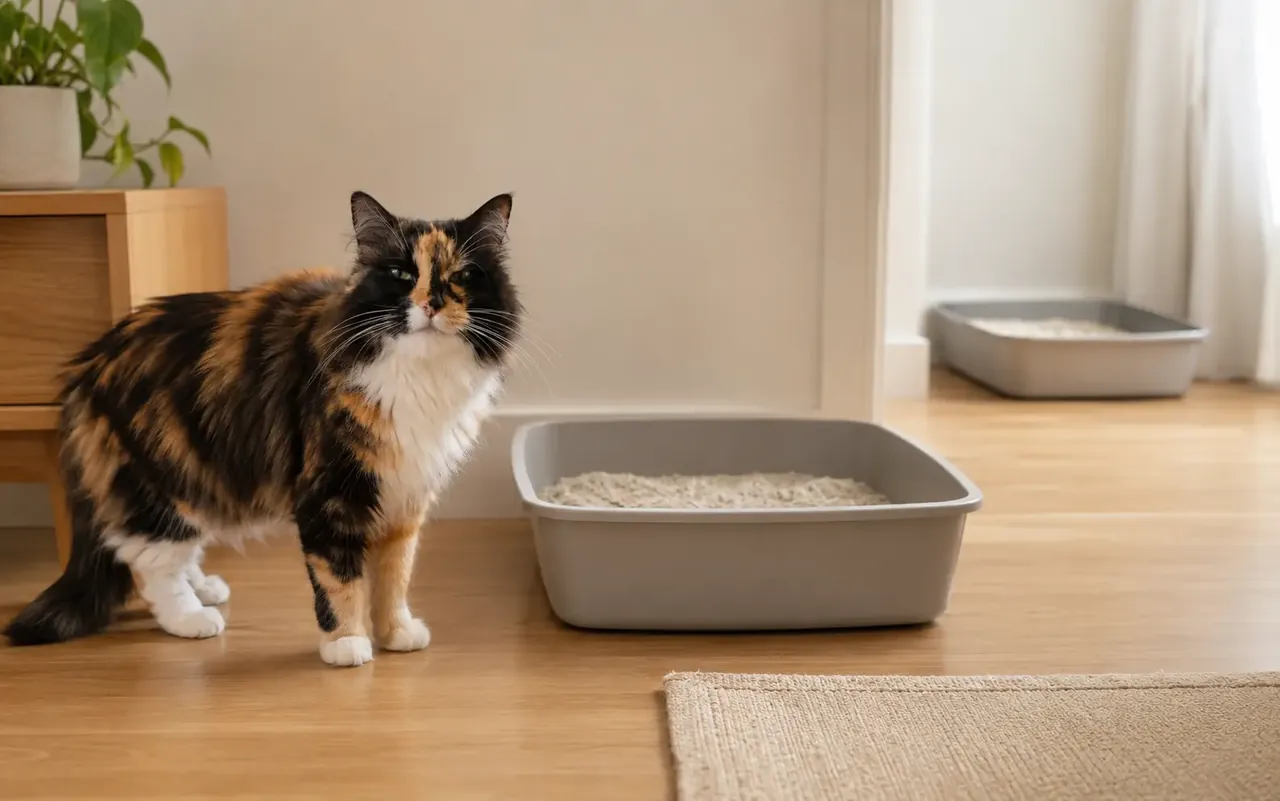
 Topic illustration selected for this guide. Some learning images may be AI-assisted.
Why is my cat suddenly always hungry — the quick answer
✓ Measure portions, separate cats at meals and arrange a veterinary assessment.
✓ Weakness, vomiting, rapid weight loss, dehydration or a diabetic cat acting unwell needs prompt care.
✓ This information supports observation and does not replace veterinary diagnosis.
Measure actual intake and weight, and note thirst, stool, vomiting, activity and food competition. This guide explains what to record, what not to do and when veterinary care becomes urgent.
Confirm that intake truly increased
Measure the complete daily ration, treats, stolen food and food obtained outdoors rather than counting requests at the bowl. In a multi-cat home, supervise separate meals long enough to know who eats. Some cats beg because attention or a schedule has reinforced it, but a new marked change should not be labelled behavioural before health is considered.
Pair hunger with the weight direction
Weigh the cat on the same scale and record the result. Hunger with weight loss is particularly important and can occur with hyperthyroidism, diabetes or poor nutrient absorption. Hunger with weight gain may reflect excess calories, but body and muscle condition still matter. A fluffy coat and a full abdomen can hide loss of muscle over the spine and hips.
Record the associated clues
Track thirst, urine-clump size, vomiting, diarrhoea, stool quality, activity, coat condition and medication changes. Diabetes commonly causes weight loss despite appetite together with increased thirst and urination, while thyroid and intestinal conditions can overlap. These combinations guide veterinary testing; they do not provide a safe diagnosis from home.
Check portions without crash restriction
Compare the food label and measured daily amount with the cat's current veterinary nutrition plan, including calories from treats. Do not abruptly cut food, use a human diet plan or withhold meals to test whether the cat is genuinely hungry. Rapid restriction can be dangerous for cats, and a medical cause needs attention before a weight-loss programme is chosen.
Book an examination for a new persistent change
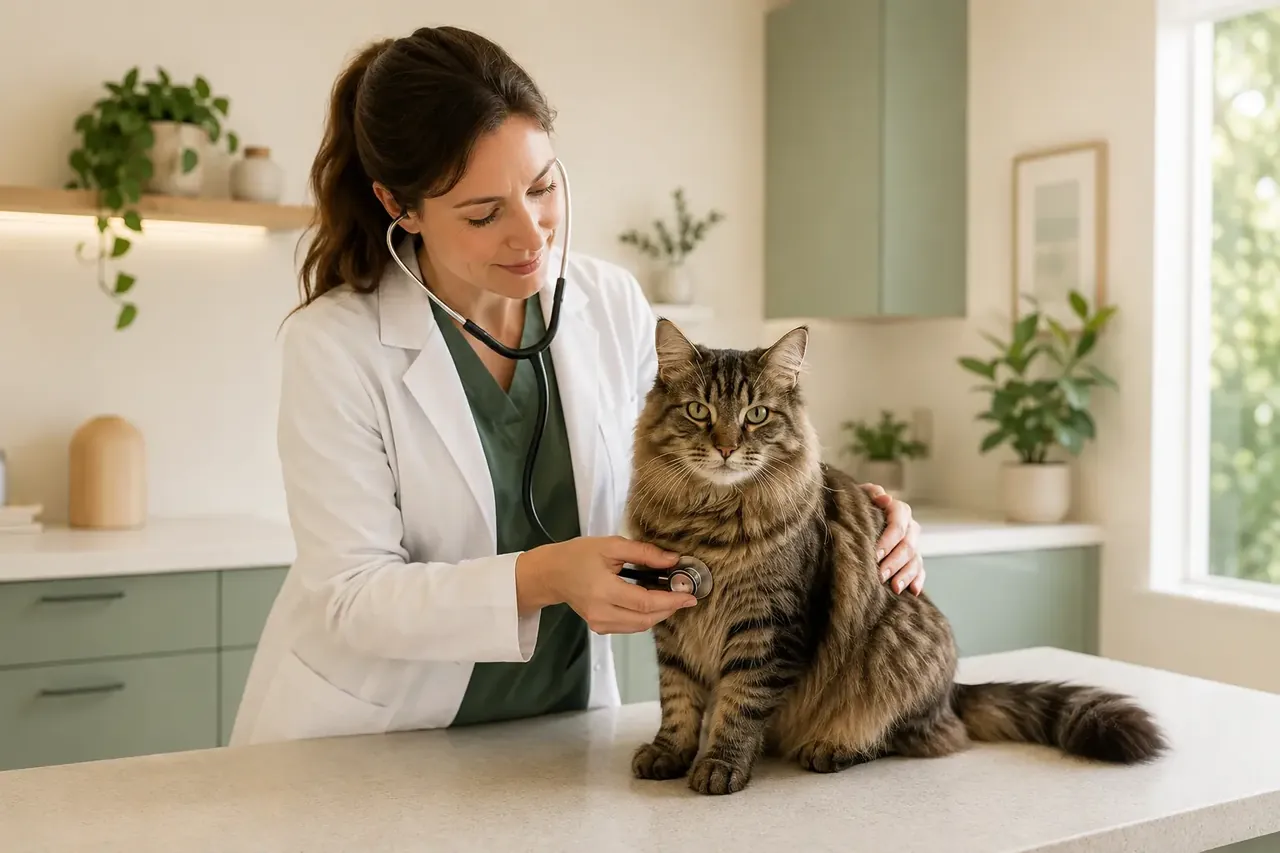
Bring weight records, exact food and treat details, medication and supplement names and notes about water and litter use. A veterinarian may recommend examination, blood and urine tests or other investigation based on age and signs. Continue a familiar complete diet unless the clinic provides a different plan, and keep water freely available.
Escalate an unwell hungry cat
Seek prompt or emergency advice for marked weakness, repeated vomiting, dehydration, rapid weight loss, collapse, abnormal breathing or a known diabetic cat behaving unusually. Do not give insulin, sugar, thyroid medicine or another pet's treatment in response to hunger alone. Medication errors and untreated metabolic illness can both become emergencies.
Your quick checklist
Loading saved progress…
Three simple things you can do
You do not have to change everything today. Pick one step that feels realistic, try it and see how your cat responds.
- 1Observe your cat’s individual baseline.
- 2Make one gentle change at a time.
- 3Ask a qualified professional when health or safety is involved.
Common mistakes
×Waiting for a dramatic symptom instead of noticing smaller changes from the cat’s normal routine.
×Changing several things at once, making it difficult to learn what actually helped.
×Treating general guidance as a substitute for advice from a veterinarian who knows the individual cat.
Questions cat people ask
Does every cat follow the same rule?+
No. Age, health, history, temperament and environment all change what works for an individual.
When should I seek professional help?+
Seek veterinary advice for sudden, persistent or concerning changes and urgent help for breathing difficulty, collapse, seizures, poisoning or urinary obstruction signs.
Still looking for the right answer?
Search the full EverYes Cats encyclopedia with your own words — a symptom, food, behaviour, breed or everyday question.
Checked, dated and transparent
- Prepared by
- EverYes Cats editorial team
- Last updated
- Source checked
- Primary reference
- Cornell Feline Health Center: Feline Diabetes ↗
We begin with the named reference, rewrite the information in plain language and add practical cat-parent steps. Urgent health statements are checked against veterinary sources. This guide has not been individually reviewed by a veterinarian unless explicitly stated. It provides education, not diagnosis or treatment.
How we choose and use sources →
Spotted something unclear or outdated? Tell us so we can review it.
Loading your saved choice…
A broken cat tooth may expose sensitive tissue or hide damage below the gumline even when the cat still eats. Prevent hard chewing, do not test or file the tooth and arrange a veterinary dental assessment; facial trauma, jaw misalignment or heavy bleeding is urgent.
 01
 02
 03
 06