Cat chin acne: blackheads, swelling and infection
Cat chin acne often appears as blackheads or dark debris around hair follicles, but swelling, pain, pus and crusting can signal deeper inflammation or infection. Do not squeeze or scrub the chin; use gentle hygiene and veterinary assessment when it persists or becomes sore.
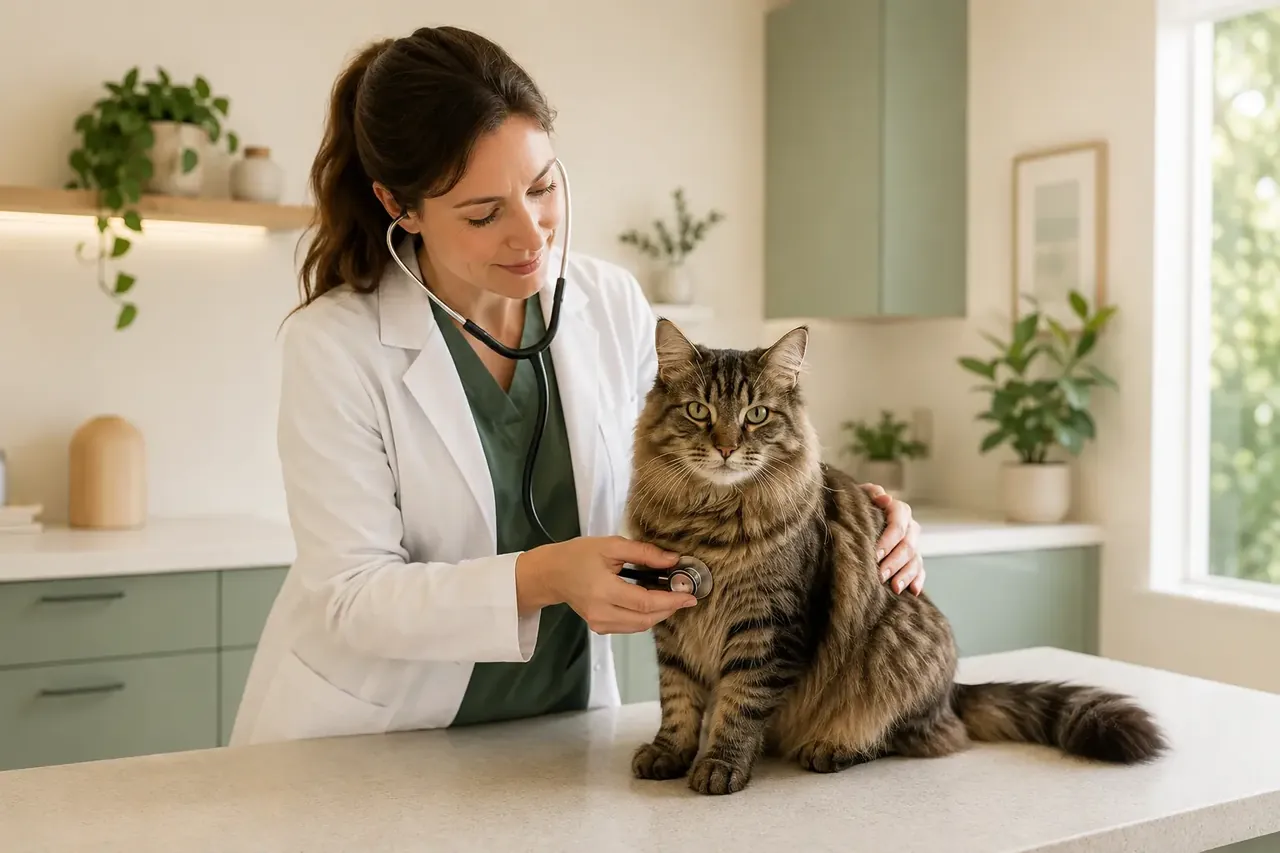 Topic illustration selected for this guide. Some learning images may be AI-assisted.
Cat chin acne: blackheads, swelling and infection — the quick answer
✓ Use clean bowls, avoid squeezing and book care if inflamed or persistent.
✓ Rapid facial swelling, severe pain, pus, fever, poor appetite or breathing trouble needs prompt care.
✓ This information supports observation and does not replace veterinary diagnosis.
Look for black specks, crusts, redness, hair loss, swelling and pain under the chin. This guide explains what to record, what not to do and when veterinary care becomes urgent.
Distinguish surface dirt from follicle changes
Look in good light for black specks fixed within the chin skin, small bumps, redness, hair loss, crusting or swelling. Wipe once gently with a damp white pad; loose food or soil may lift away, while comedones remain associated with follicles. Photograph the area and compare over several days without repeatedly rubbing or picking at it.
Do not squeeze blackheads or use acne products
Squeezing can rupture follicles and drive inflammation deeper. Avoid human acne wash, benzoyl peroxide, salicylic acid, alcohol, peroxide, essential oils and steroid or antibiotic creams unless the veterinarian prescribed that exact product for the cat. Cats lick topical substances, and apparently mild products can irritate skin or be unsafe when swallowed.
Use simple bowl and skin hygiene
Wash food and water bowls daily and consider smooth stainless steel or ceramic bowls that are intact and easy to clean. Rinse away detergent residue and keep the chin dry after messy meals without scrubbing. Bowl changes may reduce contamination but do not prove plastic caused the acne, and they cannot treat painful infection or another skin condition.
Arrange care for inflammation or recurrence
Book veterinary assessment for persistent blackheads, repeated flares, redness, pain, odour, pus, bleeding or a firm swelling. Skin infection, mites, allergy and other lesions can resemble or complicate acne. The veterinarian may examine samples and prescribe antiseptic, topical or systemic treatment. Complete the course and do not share medicine between pets.
Recognise urgent facial changes
Rapid swelling of the chin, lips or throat, breathing or swallowing difficulty, collapse or widespread hives is an emergency rather than ordinary acne. Same-day advice is appropriate for marked pain, fever signs, poor appetite or spreading discharge. Use a secure carrier and do not apply a new cream before travel, because it may be licked or obscure the skin findings.
Your quick checklist
Loading saved progress…
Three simple things you can do
You do not have to change everything today. Pick one step that feels realistic, try it and see how your cat responds.
- 1Observe your cat’s individual baseline.
- 2Make one gentle change at a time.
- 3Ask a qualified professional when health or safety is involved.
Common mistakes
×Waiting for a dramatic symptom instead of noticing smaller changes from the cat’s normal routine.
×Changing several things at once, making it difficult to learn what actually helped.
×Treating general guidance as a substitute for advice from a veterinarian who knows the individual cat.
Questions cat people ask
Does every cat follow the same rule?+
No. Age, health, history, temperament and environment all change what works for an individual.
When should I seek professional help?+
Seek veterinary advice for sudden, persistent or concerning changes and urgent help for breathing difficulty, collapse, seizures, poisoning or urinary obstruction signs.
Still looking for the right answer?
Search the full EverYes Cats encyclopedia with your own words — a symptom, food, behaviour, breed or everyday question.
Checked, dated and transparent
- Prepared by
- EverYes Cats editorial team
- Last updated
- Source checked
- Primary reference
- Merck Veterinary Manual: Treatment of Skin Disorders in Cats ↗
We begin with the named reference, rewrite the information in plain language and add practical cat-parent steps. Urgent health statements are checked against veterinary sources. This guide has not been individually reviewed by a veterinarian unless explicitly stated. It provides education, not diagnosis or treatment.
How we choose and use sources →
Spotted something unclear or outdated? Tell us so we can review it.
Loading your saved choice…
A broken cat tooth may expose sensitive tissue or hide damage below the gumline even when the cat still eats. Prevent hard chewing, do not test or file the tooth and arrange a veterinary dental assessment; facial trauma, jaw misalignment or heavy bleeding is urgent.
 01
 02
 06