Why Does My Senior Cat Stare at the Wall?
A senior cat may stare at a wall because of a faint sound, light or scent, but new fixed staring can also accompany vision, hearing, neurological or cognitive change. Record the whole episode and arrange assessment for a new pattern.
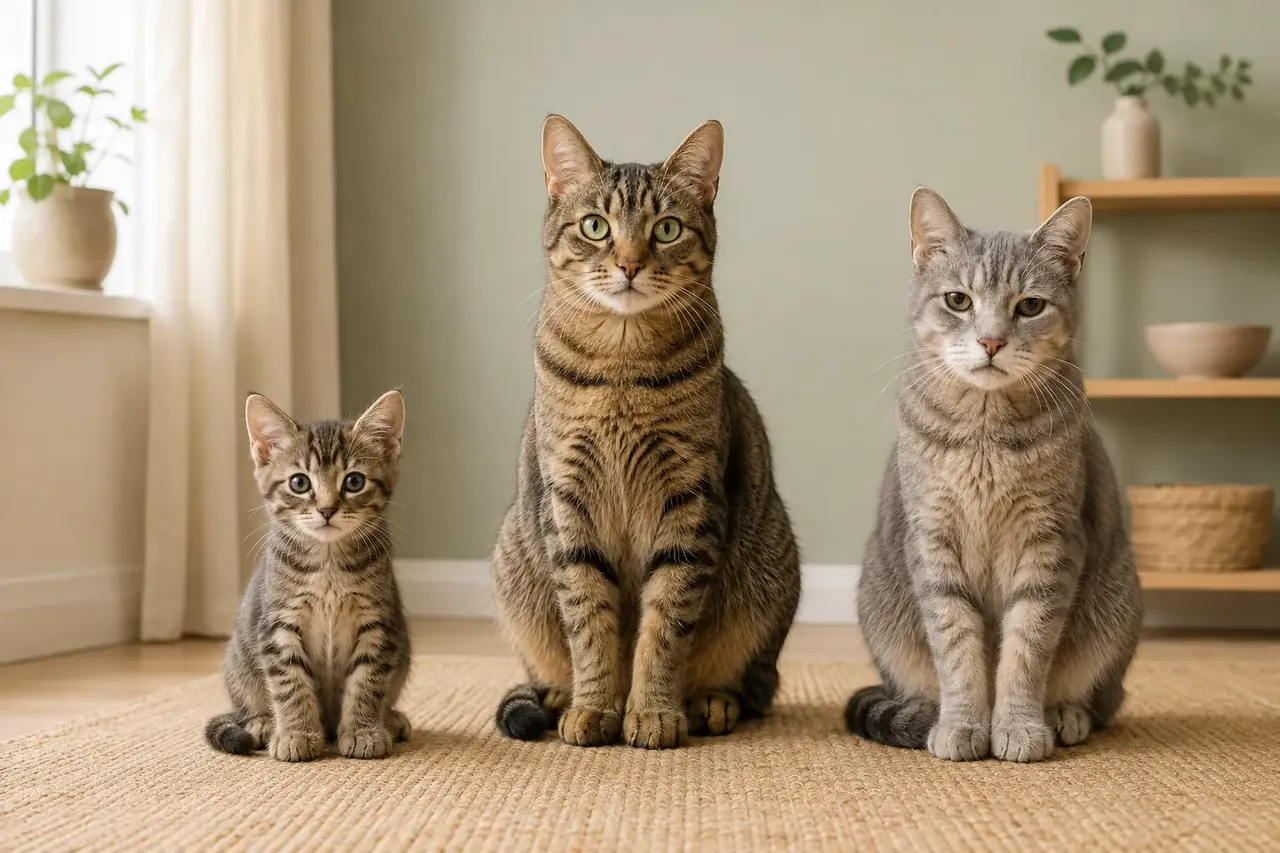 Topic illustration selected for this guide. Some learning images may be AI-assisted.
Why Does My Senior Cat Stare at the Wall — the quick answer
✓ A senior may notice sound, light or scent, but new fixed staring can also accompany vision, hearing or cognitive change.
✓ Improve lighting, keep routes familiar and record episodes for the veterinary team.
✓ Unresponsiveness, collapse, circling, imbalance or seizure-like movement is urgent.
A senior may notice sound, light or scent, but new fixed staring can also accompany vision, hearing or cognitive change. Start by comparing the moment with your cat's usual pattern.
Read the whole episode
Note whether the cat tracks a sound or shadow, responds to their name and leaves normally. Fixed staring with confusion, getting trapped in corners, altered sleep, circling or changed social behaviour is different from briefly watching an ordinary stimulus. Do not startle the cat to test hearing.
Check navigation and daily function
Observe routes to food, water, litter and beds in daylight and dim light. Record collisions, hesitation on stairs, missed jumps, house-soiling, appetite, thirst and grooming. Several small changes together can be more informative than the stare alone.
Make the home easier to navigate
Keep furniture and essential resources in familiar locations, add gentle night lighting and provide non-slip paths and low-entry litter boxes when needed. Approach within view and speak before touching. These changes support comfort but do not replace a veterinary examination.
Create a useful record
Film a short episode from a safe distance and note duration, responsiveness, eye position, movement afterward, medication and the last normal day. Do not delay urgent care to record. A clear timeline helps the veterinary team distinguish sensory, pain, cognitive and neurological possibilities.
When to contact a veterinarian
Arrange assessment for a new or increasing pattern, confusion, altered sleep, house-soiling or navigation change. Unresponsiveness, collapse, seizures, circling, severe imbalance, sudden blindness or unequal pupils needs urgent veterinary care.
Your quick checklist
Loading saved progress…
Three simple things you can do
You do not have to change everything today. Pick one step that feels realistic, try it and see how your cat responds.
- 1Observe your cat’s individual baseline.
- 2Make one gentle change at a time.
- 3Ask a qualified professional when health or safety is involved.
Common mistakes
×Waiting for a dramatic symptom instead of noticing smaller changes from the cat’s normal routine.
×Changing several things at once, making it difficult to learn what actually helped.
×Treating general guidance as a substitute for advice from a veterinarian who knows the individual cat.
Questions cat people ask
Does every cat follow the same rule?+
No. Age, health, history, temperament and environment all change what works for an individual.
When should I seek professional help?+
Seek veterinary advice for sudden, persistent or concerning changes and urgent help for breathing difficulty, collapse, seizures, poisoning or urinary obstruction signs.
Still looking for the right answer?
Search the full EverYes Cats encyclopedia with your own words — a symptom, food, behaviour, breed or everyday question.
Checked, dated and transparent
- Prepared by
- EverYes Cats editorial team
- Last updated
- Source checked
- Primary reference
- Cornell Feline Health Center: The Special Needs of the Senior Cat ↗
We begin with the named reference, rewrite the information in plain language and add practical cat-parent steps. Urgent health statements are checked against veterinary sources. This guide has not been individually reviewed by a veterinarian unless explicitly stated. It provides education, not diagnosis or treatment.
How we choose and use sources →
Spotted something unclear or outdated? Tell us so we can review it.
Loading your saved choice…
Older cats may value warmer beds as body condition, activity and joint comfort change. Offer controlled warmth with room to move away, while checking sudden or extreme heat seeking for illness or pain.
 01
 04