Can a senior cat forget mealtime?
A senior cat may miss familiar meal cues because sleep, hearing, smell, pain, illness or cognitive function has changed. Reduced eating should be measured and assessed, not accepted as normal ageing.
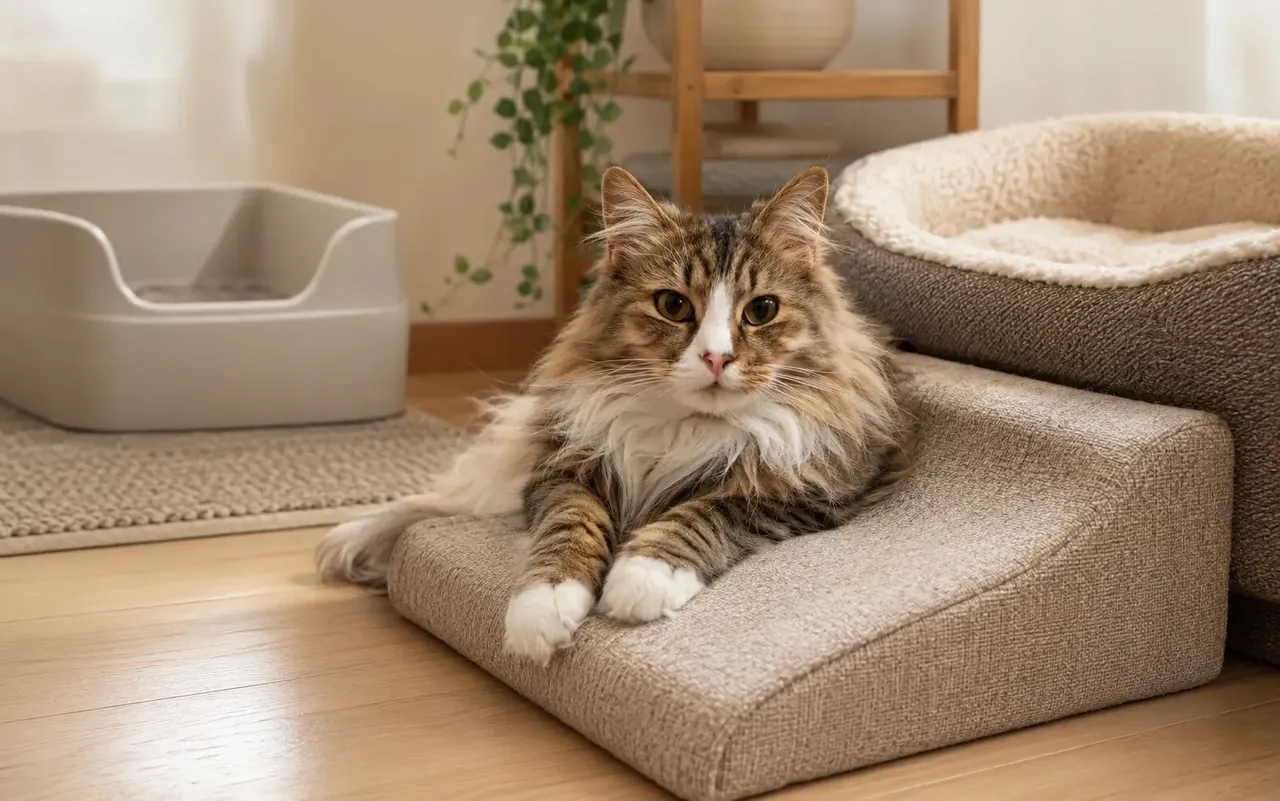 Topic illustration selected for this guide. Some learning images may be AI-assisted.
Can a senior cat forget mealtime — the quick answer
✓ Sensory change, cognitive dysfunction, illness and altered sleep can disrupt routines, but missed meals should not be dismissed as age.
✓ Observe: Measure intake, weight, thirst, orientation and other behaviour changes.
✓ Try this: Keep predictable cues and arrange prompt veterinary assessment for reduced eating.
Sensory change, cognitive dysfunction, illness and altered sleep can disrupt routines, but missed meals should not be dismissed as age. The useful question is not only what the moment resembles, but whether it fits this cat’s normal pattern. Context, frequency, recovery and accompanying changes make the interpretation safer and more accurate.
Measure what is actually eaten
Weigh or measure meals and leftovers at consistent times and record body weight when possible. In multi-cat homes, feed separately so another cat cannot create a false impression of intake.
Check access and sensory cues
Use a quiet familiar feeding place with good lighting, a non-slip route and a shallow stable dish. A gentle routine cue may help, but do not repeatedly wake, carry or startle the cat into eating.
Look beyond memory
Note dental signs, nausea, vomiting, thirst, urine, stool, mobility, orientation and sleep. Warming familiar wet food slightly may increase aroma when safe, but constant food changes can hide a persistent problem.
When to contact a veterinarian
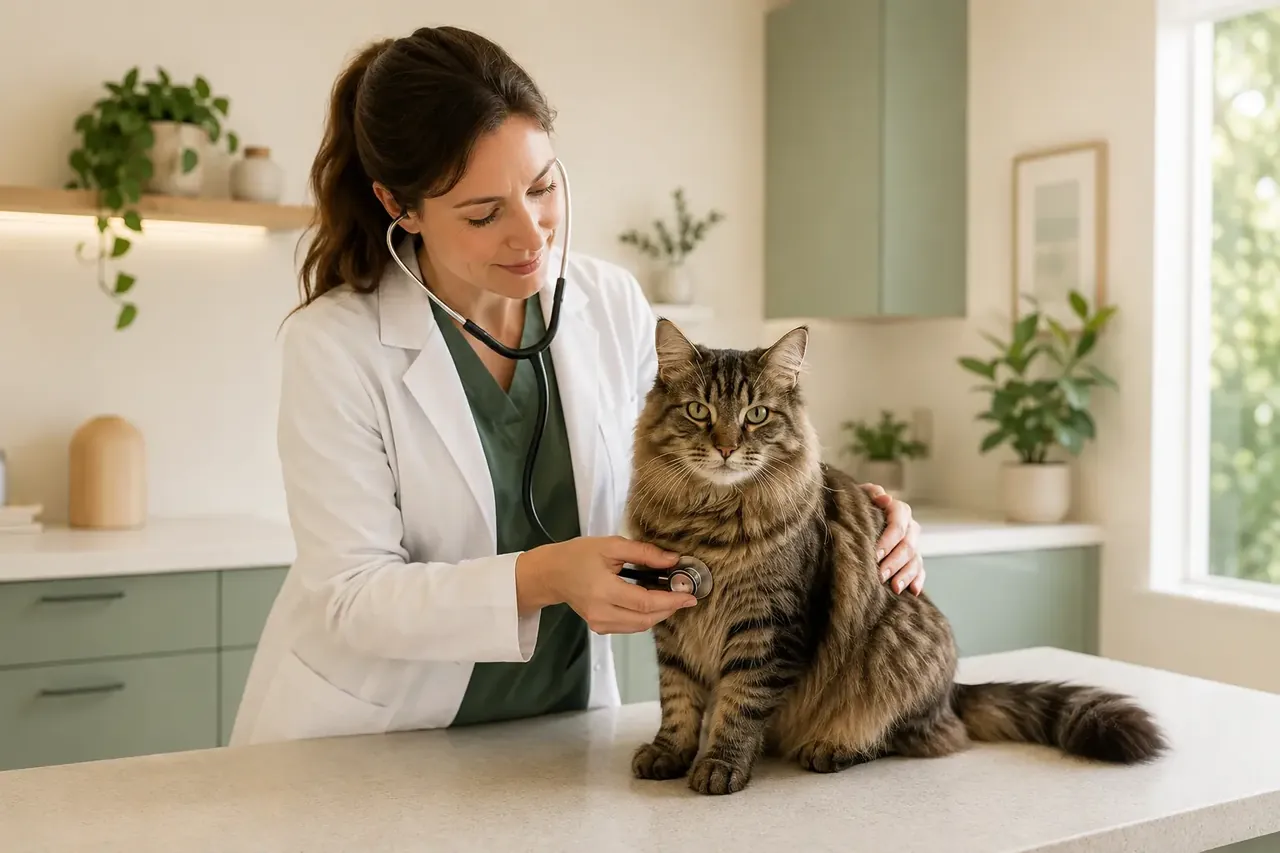
Arrange prompt advice for reduced intake, weight loss, repeated missed meals, drooling, vomiting, confusion or changed thirst. A cat that stops eating, becomes weak, cannot swallow or repeatedly vomits needs urgent guidance.
Your quick checklist
Loading saved progress…
Three simple things you can do
You do not have to change everything today. Pick one step that feels realistic, try it and see how your cat responds.
- 1Observe your cat’s individual baseline.
- 2Make one gentle change at a time.
- 3Ask a qualified professional when health or safety is involved.
Common mistakes
×Waiting for a dramatic symptom instead of noticing smaller changes from the cat’s normal routine.
×Changing several things at once, making it difficult to learn what actually helped.
×Treating general guidance as a substitute for advice from a veterinarian who knows the individual cat.
Questions cat people ask
Does every cat follow the same rule?+
No. Age, health, history, temperament and environment all change what works for an individual.
When should I seek professional help?+
Seek veterinary advice for sudden, persistent or concerning changes and urgent help for breathing difficulty, collapse, seizures, poisoning or urinary obstruction signs.
Still looking for the right answer?
Search the full EverYes Cats encyclopedia with your own words — a symptom, food, behaviour, breed or everyday question.
Checked, dated and transparent
- Prepared by
- EverYes Cats editorial team
- Last updated
- Source checked
- Primary reference
- AAHA: Evaluating the Healthy Senior Pet ↗
We begin with the named reference, rewrite the information in plain language and add practical cat-parent steps. Urgent health statements are checked against veterinary sources. This guide has not been individually reviewed by a veterinarian unless explicitly stated. It provides education, not diagnosis or treatment.
How we choose and use sources →
Spotted something unclear or outdated? Tell us so we can review it.
Loading your saved choice…
Older cats may shed claw sheaths less effectively and scratch less because of mobility change. Learn what to check, what to change safely and when professional help matters.
 02
 04
 05