Why has my senior cat’s appetite changed?
Both reduced appetite and unusual hunger in a senior cat deserve attention. Measure what is actually eaten, track weight and arrange a veterinary assessment rather than changing foods repeatedly.
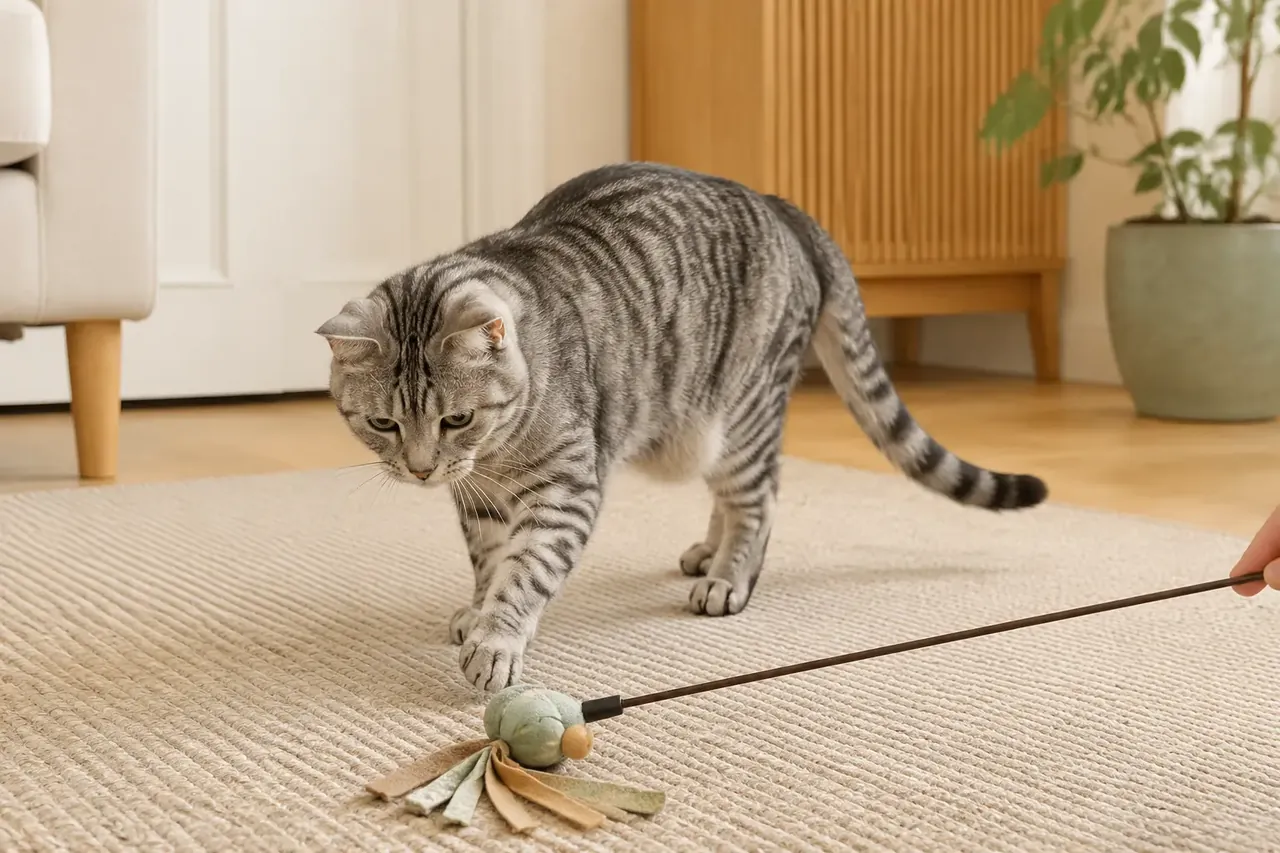 Topic illustration selected for this guide. Some learning images may be AI-assisted.
Why has my senior cat’s appetite changed — the quick answer
✓ The direction of change alone cannot identify the cause, and weight may shift before the coat makes it obvious.
✓ Measure food, record weight and associated thirst, vomiting or stool changes, then arrange a veterinary examination.
✓ Refusing food, rapid weight change, weakness or repeated vomiting requires prompt care.
An older cat’s appetite can change with dental pain, nausea, medication, thyroid disease and many other conditions.
The short answer
An older cat’s appetite can change with dental pain, nausea, medication, thyroid disease and many other conditions.
Why it may happen
The direction of change alone cannot identify the cause, and weight may shift before the coat makes it obvious.
Read the whole situation
One behaviour rarely has one guaranteed meaning. Compare it with your cat’s age, health, posture, appetite, litter habits, environment and usual pattern before drawing a conclusion.
What to do now
Measure food, record weight and associated thirst, vomiting or stool changes, then arrange a veterinary examination.
What not to do
Avoid punishment, forced handling and sudden large changes. They can add fear while hiding the information that would help you understand the original cause.
When to contact a veterinarian
Refusing food, rapid weight change, weakness or repeated vomiting requires prompt care.
Keep a useful record
Write down when it started, how often it happens and what immediately precedes and follows it. Photos, weights or short videos can make a veterinary or behaviour consultation more productive.
Turn an impression into useful observations
Measure each serving and leftovers, especially in a multi-cat home. Record weight, thirst, vomiting, stool, chewing, swallowing and medications. Note whether the cat approaches food but walks away, which may indicate nausea, pain or difficulty eating.
DEEPER GUIDE1 more detailed sectionsOpen +
Know when appetite becomes urgent
Dental disease, nausea, medication effects, thyroid disease and other conditions can alter appetite. A senior cat that refuses food, loses weight rapidly, repeatedly vomits, seems weak or cannot swallow normally needs prompt veterinary advice.
Your quick checklist
Your progress is saved on this device.
Three simple things you can do
You do not have to change everything today. Pick one step that feels realistic, try it and see how your cat responds.
- 1Measure what is offered and what remains at every meal.
- 2Note smell, chewing, nausea, thirst, weight and medication changes.
- 3Contact a veterinarian promptly for reduced intake or a new major increase.
Common mistakes
×Calling poor appetite fussiness.
×Offering endless new foods while delaying examination.
×Waiting several days when a senior cat stops eating.
Questions cat people ask
Why is my senior cat eating less?+
Dental pain, kidney disease, nausea, pain, smell loss and many other conditions can reduce intake. Early assessment matters.
Why is my older cat suddenly ravenous?+
Hyperthyroidism, diabetes and poor nutrient absorption are possible, especially with weight loss or increased thirst.
Still looking for the right answer?
Search the full EverYes Cats encyclopedia with your own words — a symptom, food, behaviour, breed or everyday question.
Checked, dated and transparent
- Prepared by
- EverYes Cats editorial team
- Last updated
- 13 August 2026
- Source checked
- 13 August 2026
- Primary reference
- Cornell Feline Health Center ↗
We begin with the named reference, rewrite the information in plain language and add practical cat-parent steps. Urgent health statements are checked against veterinary sources. This guide has not been individually reviewed by a veterinarian unless explicitly stated. It provides education, not diagnosis or treatment.
Spotted something unclear or outdated? Tell us so we can review it.
Your answer helps us improve the cat encyclopedia.
Jumping down places force through joints and may become harder before ordinary walking changes. A practical guide to what matters, what to do and when to seek help.