How to track a kitten’s growth at home
Regular kitten weights can reveal stalled growth or loss before it is visible. Use the same accurate scale, record the trend and share any concern promptly with the veterinary team.
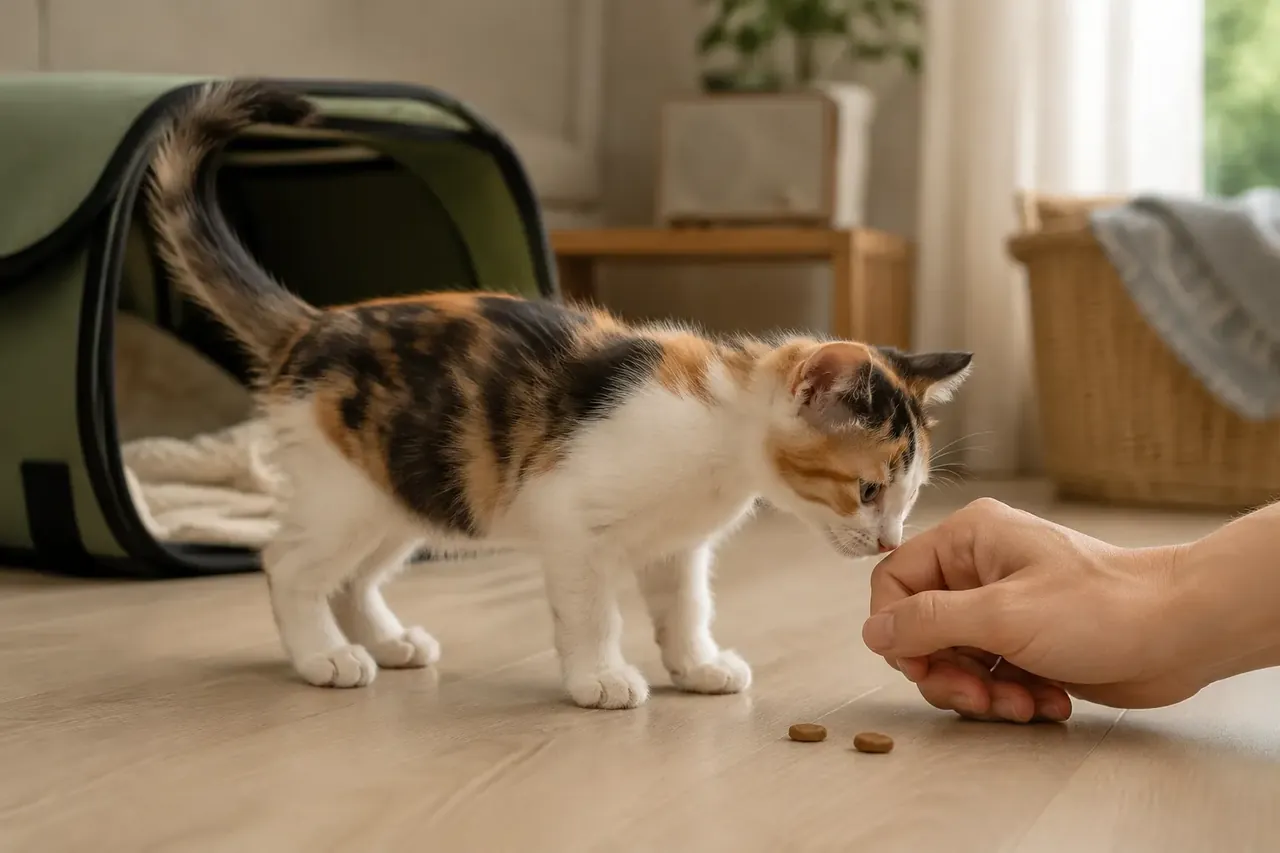 Topic illustration selected for this guide. Some learning images may be AI-assisted.
How to track a kitten’s growth at home — the quick answer
✓ Visual judgement is imprecise, and fluffy coats can hide whether a kitten is gaining steadily.
✓ Use the same accurate scale at a consistent time, record the number and share concerns with your veterinary team.
✓ Weight loss, stalled growth, poor appetite, vomiting or diarrhoea in a kitten deserves prompt professional advice.
Regular weighing gives useful context for feeding and health, especially during the rapid early growth period.
The short answer
Regular weighing gives useful context for feeding and health, especially during the rapid early growth period.
Why it may happen
Visual judgement is imprecise, and fluffy coats can hide whether a kitten is gaining steadily.
Read the whole situation
One behaviour rarely has one guaranteed meaning. Compare it with your cat’s age, health, posture, appetite, litter habits, environment and usual pattern before drawing a conclusion.
What to do now
Use the same accurate scale at a consistent time, record the number and share concerns with your veterinary team.
What not to do
Avoid punishment, forced handling and sudden large changes. They can add fear while hiding the information that would help you understand the original cause.
When to contact a veterinarian
Weight loss, stalled growth, poor appetite, vomiting or diarrhoea in a kitten deserves prompt professional advice.
Keep a useful record
Write down when it started, how often it happens and what immediately precedes and follows it. Photos, weights or short videos can make a veterinary or behaviour consultation more productive.
Make each measurement comparable
Weigh at a consistent time on a stable scale and use a safe container if needed. Record the date, weight, food intake and any vomiting or diarrhoea. The trend is more informative than comparing one kitten with another.
DEEPER GUIDE1 more detailed sectionsOpen +
Act on a change instead of waiting
Growth varies with age and individual development, so ask the veterinary team what is expected for your kitten. Weight loss, stalled growth, poor appetite, weakness, vomiting or diarrhoea deserves prompt professional advice because young kittens can deteriorate quickly.
Your quick checklist
Your progress is saved on this device.
Three simple things you can do
You do not have to change everything today. Pick one step that feels realistic, try it and see how your cat responds.
- 1Weigh the kitten on the same scale at the same time and record the result.
- 2Use a secure bowl or carrier and reward calm scale practice.
- 3Ask the veterinarian for an individual growth target based on age, body condition and history.
Common mistakes
×Comparing one kitten rigidly with an online average.
×Waiting for visible thinness after weight gain stalls.
×Restricting food in a growing kitten without veterinary guidance.
Questions cat people ask
How often should I weigh my kitten?+
Daily monitoring may be appropriate for neonates or vulnerable kittens; healthy older kittens may be checked weekly. Follow the schedule recommended by your veterinarian.
What if my kitten stops gaining weight?+
A plateau or loss can be an early illness sign. Contact a veterinarian promptly, especially with poor appetite, diarrhoea, vomiting, weakness or a very young kitten.
Still looking for the right answer?
Search the full EverYes Cats encyclopedia with your own words — a symptom, food, behaviour, breed or everyday question.
Checked, dated and transparent
- Prepared by
- EverYes Cats editorial team
- Last updated
- 13 August 2026
- Source checked
- 13 August 2026
- Primary reference
- AAHA/AAFP Feline Life Stage Guidelines ↗
We begin with the named reference, rewrite the information in plain language and add practical cat-parent steps. Urgent health statements are checked against veterinary sources. This guide has not been individually reviewed by a veterinarian unless explicitly stated. It provides education, not diagnosis or treatment.
Spotted something unclear or outdated? Tell us so we can review it.
Your answer helps us improve the cat encyclopedia.
Kittens test warmth, cover, scent and proximity while learning which places feel safe in a new home. A practical guide to what matters, what to do and when to seek help.