Is it normal for a kitten to sleep after vaccination?
Mild tiredness can occur for a short time after vaccination, but a kitten should remain responsive and improve according to the clinic's aftercare guidance. Breathing difficulty, collapse, facial swelling or repeated vomiting is an emergency.
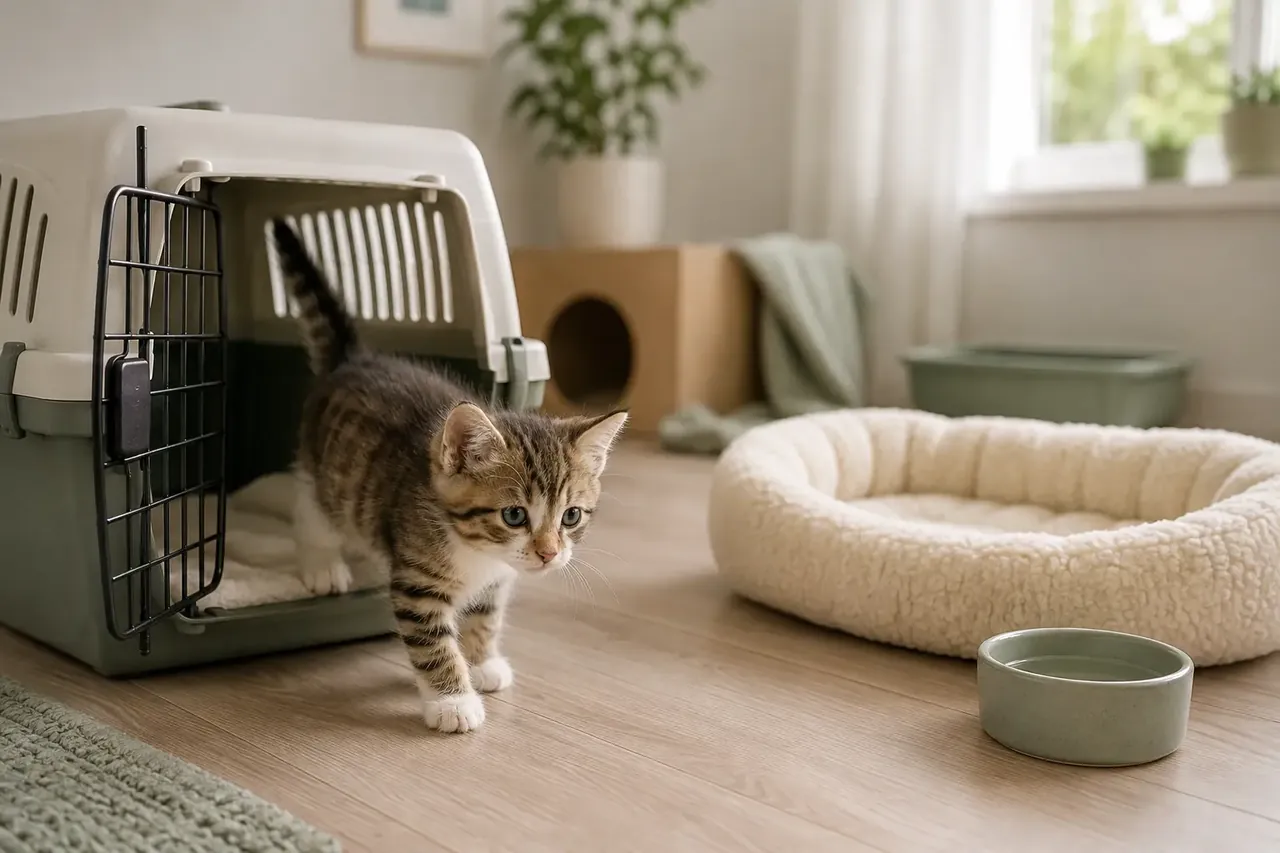
 Topic illustration selected for this guide. Some learning images may be AI-assisted.
Is it normal for a kitten to sleep after vaccination — the quick answer
✓ Mild tiredness can occur for a short period, but the kitten should remain responsive and improve.
✓ Observe first: Monitor breathing, facial swelling, vomiting, appetite and the injection area.
✓ Act safely: Provide quiet rest and follow the clinic’s aftercare instructions.
Mild tiredness can occur for a short period, but the kitten should remain responsive and improve.. This guide helps you separate an ordinary individual habit from a change worth acting on. Read the whole cat, the timing and the wider pattern rather than relying on one isolated sign.
What to observe
Compare the kitten with its normal sleep and play over the period described in the clinic's aftercare instructions. Check whether it wakes easily, breathes comfortably and takes food and water when normally due. Note vomiting, facial swelling or a painful injection site separately from ordinary rest.
What to do now
Offer a quiet warm place, keep water and usual food accessible and follow the clinic's written advice. Avoid strenuous play or repeatedly waking the kitten to test it, but check that alertness and appetite return as expected. Call the vaccinating clinic if the tiredness persists or increases.
Keep the vaccine details available
Save the discharge instructions, vaccine name, appointment time and clinic number. Record when tiredness began and whether it is improving or worsening. A short video of breathing or responsiveness can help telephone triage when safe, but calling should not be delayed to collect perfect evidence.
Avoid unapproved medication
Do not give paracetamol, ibuprofen, aspirin, antihistamines or leftover animal medicine unless the veterinary team specifically prescribes and doses it for this kitten. Human medicines can be dangerous to cats, and sedation may hide worsening signs.
When to contact a veterinarian
Breathing difficulty, collapse, facial swelling or repeated vomiting after vaccination needs immediate veterinary advice. A kitten that is hard to wake, weak or not feeding normally also needs prompt assessment; do not give human medication.
Your quick checklist
Loading saved progress…
Three simple things you can do
You do not have to change everything today. Pick one step that feels realistic, try it and see how your cat responds.
- 1Observe your cat’s individual baseline.
- 2Make one gentle change at a time.
- 3Ask a qualified professional when health or safety is involved.
Common mistakes
×Waiting for a dramatic symptom instead of noticing smaller changes from the cat’s normal routine.
×Changing several things at once, making it difficult to learn what actually helped.
×Treating general guidance as a substitute for advice from a veterinarian who knows the individual cat.
Questions cat people ask
Does every cat follow the same rule?+
No. Age, health, history, temperament and environment all change what works for an individual.
When should I seek professional help?+
Seek veterinary advice for sudden, persistent or concerning changes and urgent help for breathing difficulty, collapse, seizures, poisoning or urinary obstruction signs.
Still looking for the right answer?
Search the full EverYes Cats encyclopedia with your own words — a symptom, food, behaviour, breed or everyday question.
Checked, dated and transparent
- Prepared by
- EverYes Cats editorial team
- Last updated
- Source checked
- Primary reference
- FelineVMA: Vaccination Guidelines ↗
We begin with the named reference, rewrite the information in plain language and add practical cat-parent steps. Urgent health statements are checked against veterinary sources. This guide has not been individually reviewed by a veterinarian unless explicitly stated. It provides education, not diagnosis or treatment.
How we choose and use sources →
Spotted something unclear or outdated? Tell us so we can review it.
Loading your saved choice…
Most healthy kittens can eat comfortably from a stable shallow dish at floor level. Easy access, clean placement and freedom from competition matter more than a fashionable raised-bowl rule.
 02
 03
 04
 06