Why does my kitten meow while exploring?
A kitten may meow while exploring to maintain contact, request reassurance or react to a new sight, sound or blocked route. Answer calmly while allowing safe, voluntary investigation.
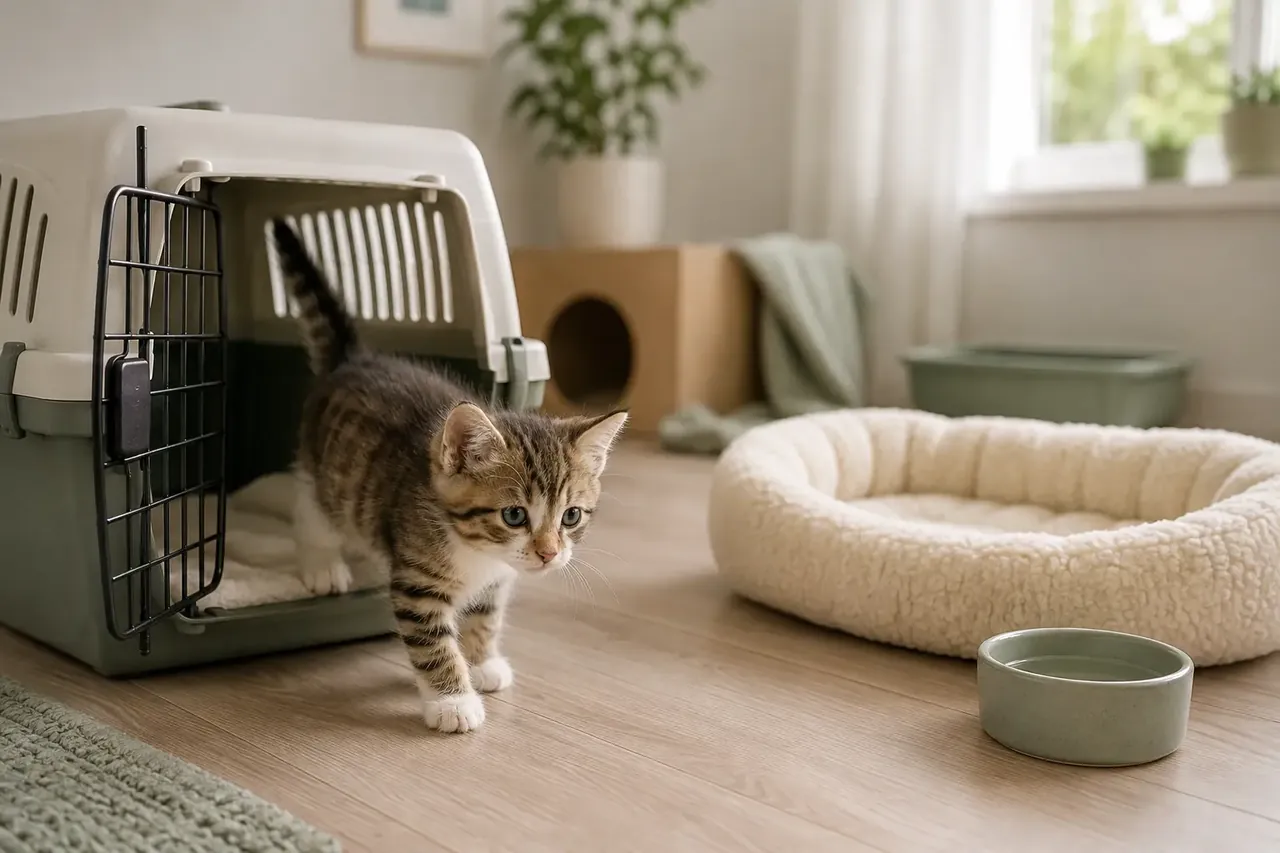
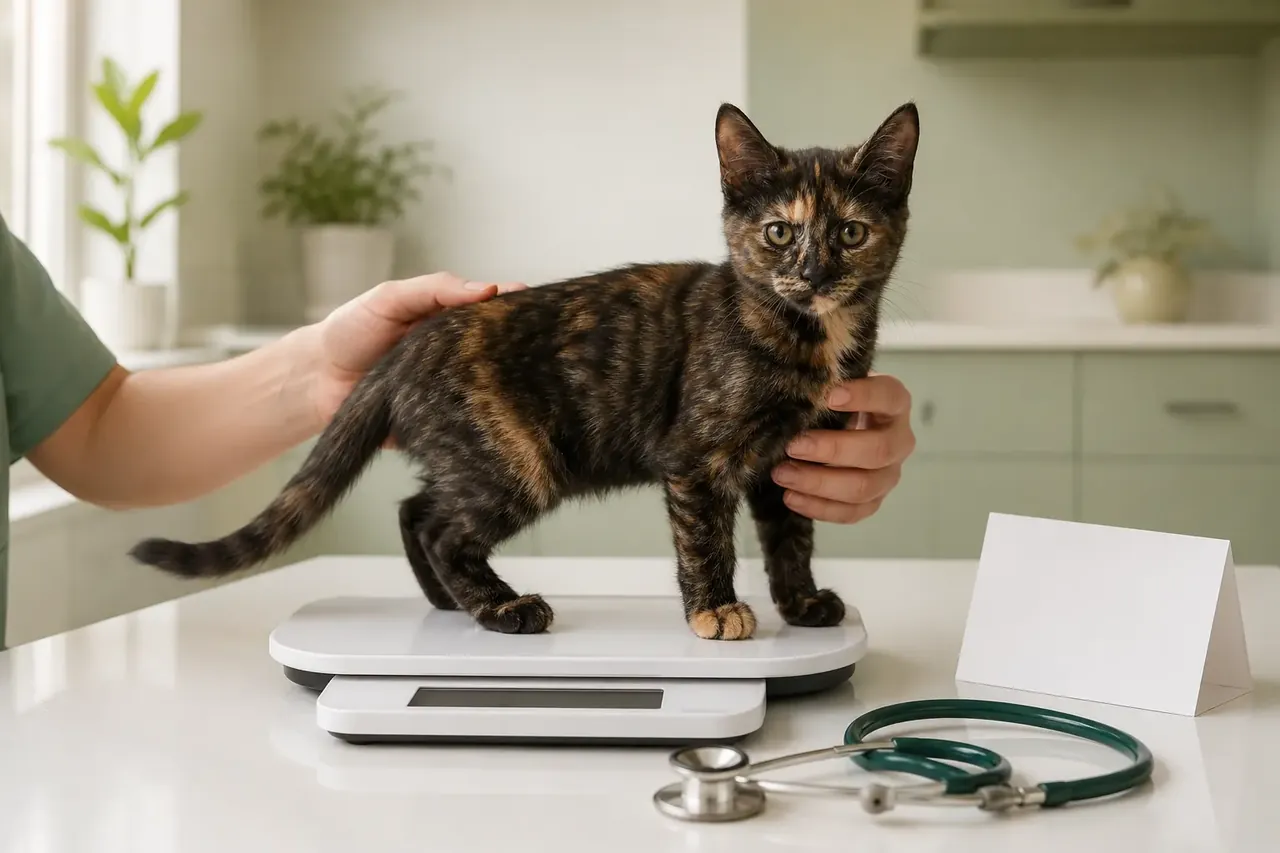 Topic illustration selected for this guide. Some learning images may be AI-assisted.
Why does my kitten meow while exploring — the quick answer
✓ The kitten may be maintaining contact, expressing uncertainty or responding to novelty.
✓ Observe first: Watch posture, recovery, appetite and whether the kitten can return to a safe base.
✓ Act safely: Keep exploration gradual and answer calmly without carrying the kitten into frightening areas.
The kitten may be maintaining contact, expressing uncertainty or responding to novelty.. This guide helps you separate an ordinary individual habit from a change worth acting on. Read the whole cat, the timing and the wider pattern rather than relying on one isolated sign.
Why context matters
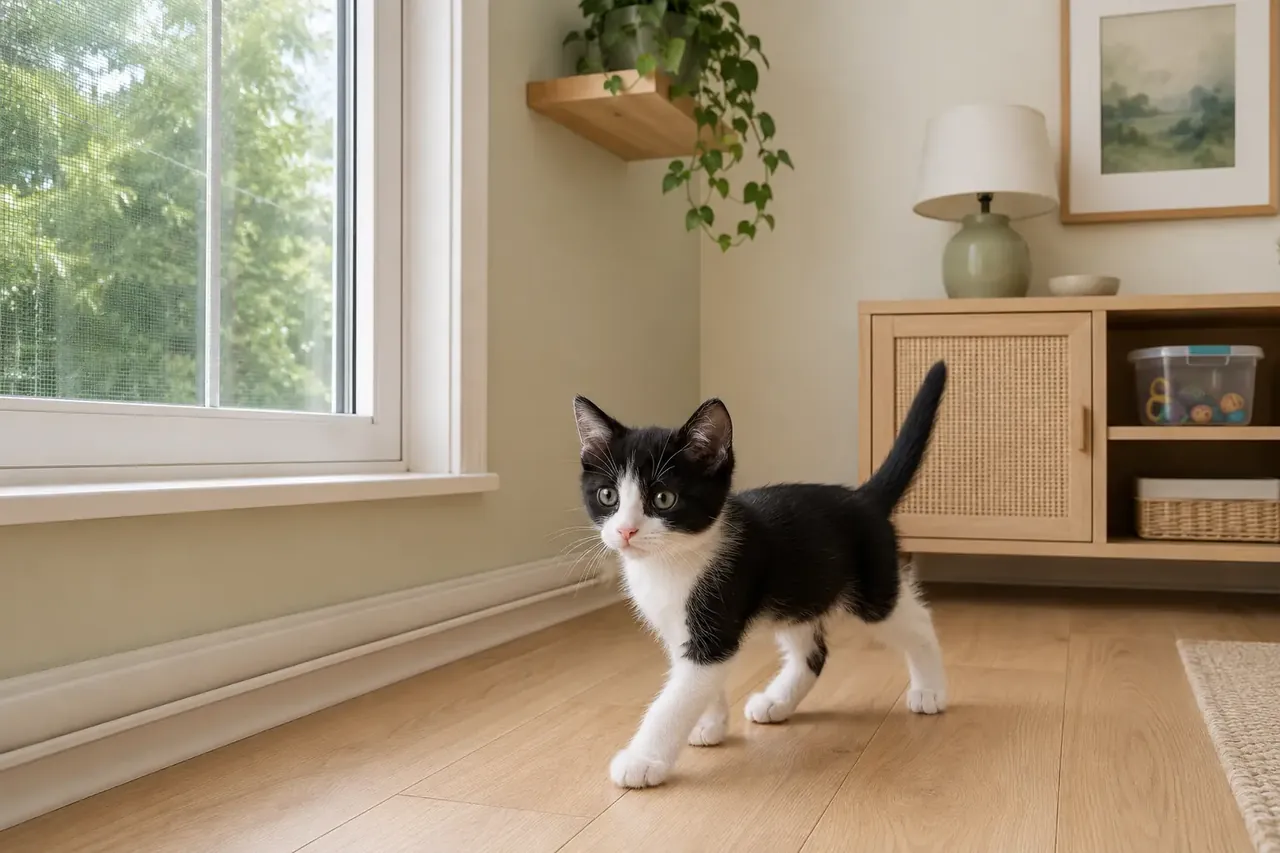
Notice whether the kitten calls while moving confidently, pauses at a doorway, looks back toward you or becomes crouched and unable to continue. Brief contact calls during curious exploration differ from prolonged crying with hiding, panting or frantic escape attempts. The destination and body posture make the sound more meaningful than volume alone.
Try one gentle change
Sit nearby, answer once in a quiet voice and let the kitten approach or continue. Keep doors, cords, gaps, plants and small objects safe without following so closely that exploration becomes pressure. A familiar blanket, open carrier and easy route back to the base room can help the kitten regulate distance.
Build confidence without forcing
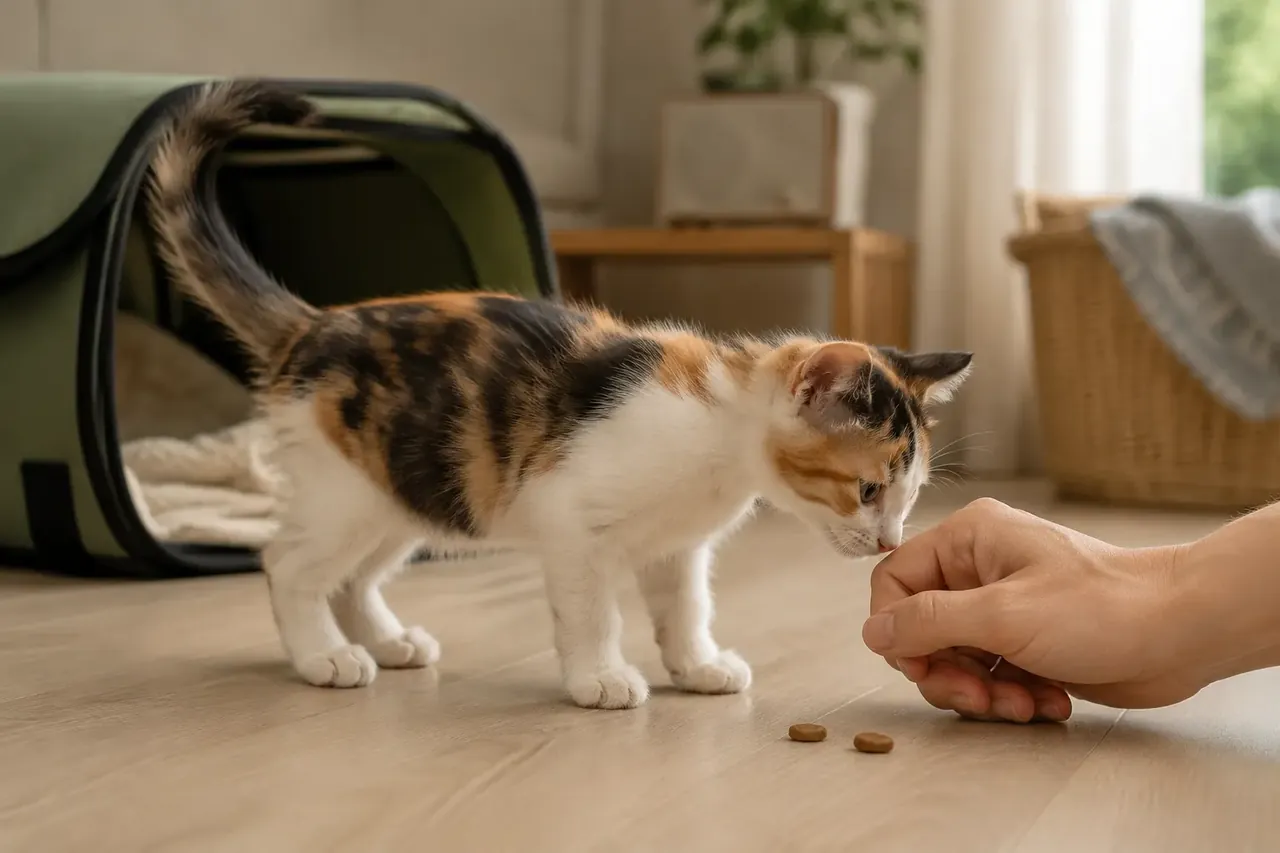
Open one kitten-safe area at a time and keep food, water, litter and rest easy to find. Scatter a few pieces of the kitten's measured food or use a slow wand-toy trail only when the kitten is relaxed. Never carry a worried kitten into the centre of an unfamiliar room or block the retreat to make them investigate.
What to record
Track which room, sound or time triggers the calls and how quickly the kitten recovers. Note eating, drinking, urine, stool, sleep and social behaviour. A short video can help show posture and voice if the pattern is frequent, but do not provoke or prolong distress to record it.
When to contact a veterinarian
Prompt advice is appropriate for persistent crying with poor appetite, vomiting, diarrhoea, straining, pain, weakness, breathing change or unusual withdrawal. Very young kittens can deteriorate quickly. Sudden vocalisation or confusion also deserves assessment rather than being assumed to be attention-seeking.
Your quick checklist
Loading saved progress…
Three simple things you can do
You do not have to change everything today. Pick one step that feels realistic, try it and see how your cat responds.
- 1Observe your cat’s individual baseline.
- 2Make one gentle change at a time.
- 3Ask a qualified professional when health or safety is involved.
Common mistakes
×Waiting for a dramatic symptom instead of noticing smaller changes from the cat’s normal routine.
×Changing several things at once, making it difficult to learn what actually helped.
×Treating general guidance as a substitute for advice from a veterinarian who knows the individual cat.
Questions cat people ask
Does every cat follow the same rule?+
No. Age, health, history, temperament and environment all change what works for an individual.
When should I seek professional help?+
Seek veterinary advice for sudden, persistent or concerning changes and urgent help for breathing difficulty, collapse, seizures, poisoning or urinary obstruction signs.
Still looking for the right answer?
Search the full EverYes Cats encyclopedia with your own words — a symptom, food, behaviour, breed or everyday question.
Checked, dated and transparent
- Prepared by
- EverYes Cats editorial team
- Last updated
- Source checked
- Primary reference
- FelineVMA: Feline Environmental Needs Guidelines ↗
We begin with the named reference, rewrite the information in plain language and add practical cat-parent steps. Urgent health statements are checked against veterinary sources. This guide has not been individually reviewed by a veterinarian unless explicitly stated. It provides education, not diagnosis or treatment.
How we choose and use sources →
Spotted something unclear or outdated? Tell us so we can review it.
Loading your saved choice…
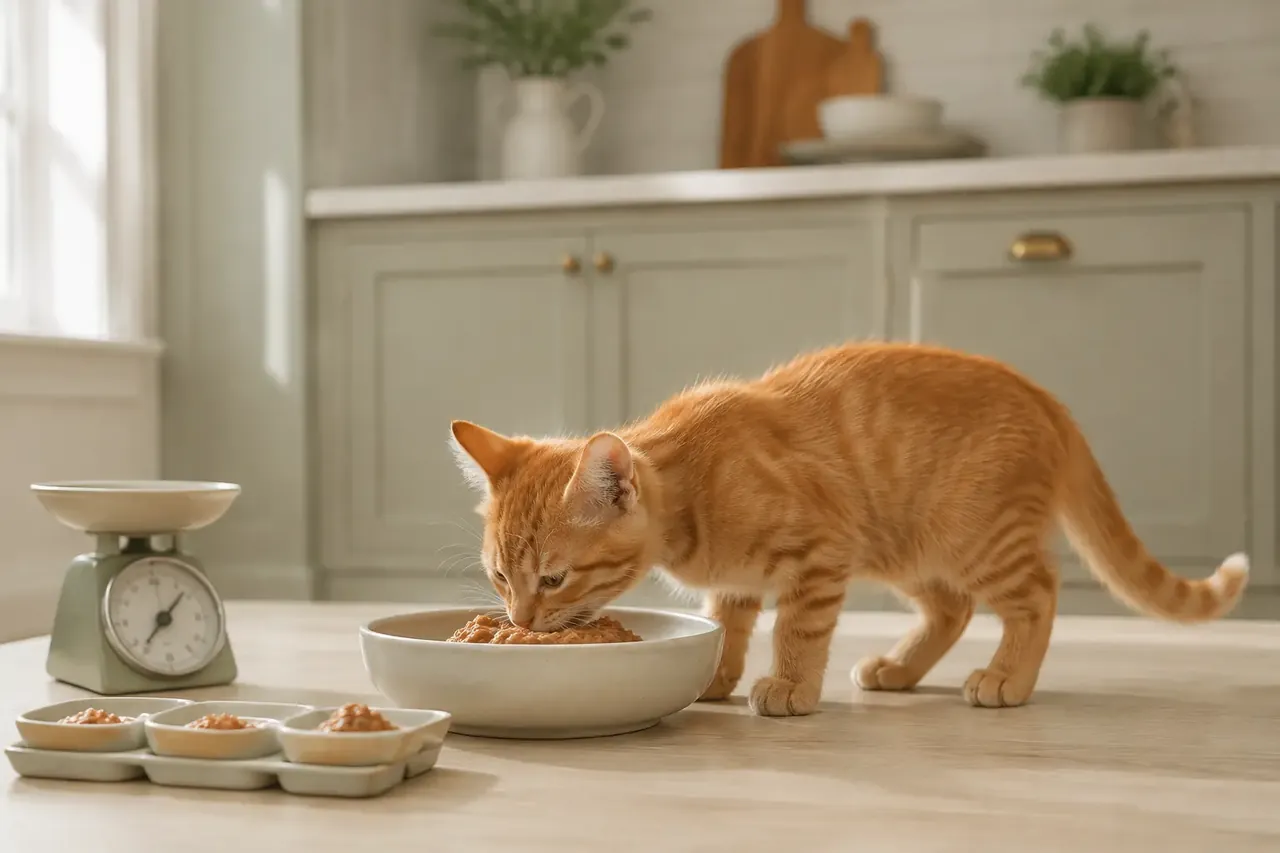
Most healthy kittens can eat comfortably from a stable shallow dish at floor level. Easy access, clean placement and freedom from competition matter more than a fashionable raised-bowl rule.
 01
 03
 04
 06