How much interactive play does a kitten need?
Most kittens do best with several brief interactive hunting games rather than one exhausting session. Let the kitten stalk, chase and catch, then stop before play becomes frantic.
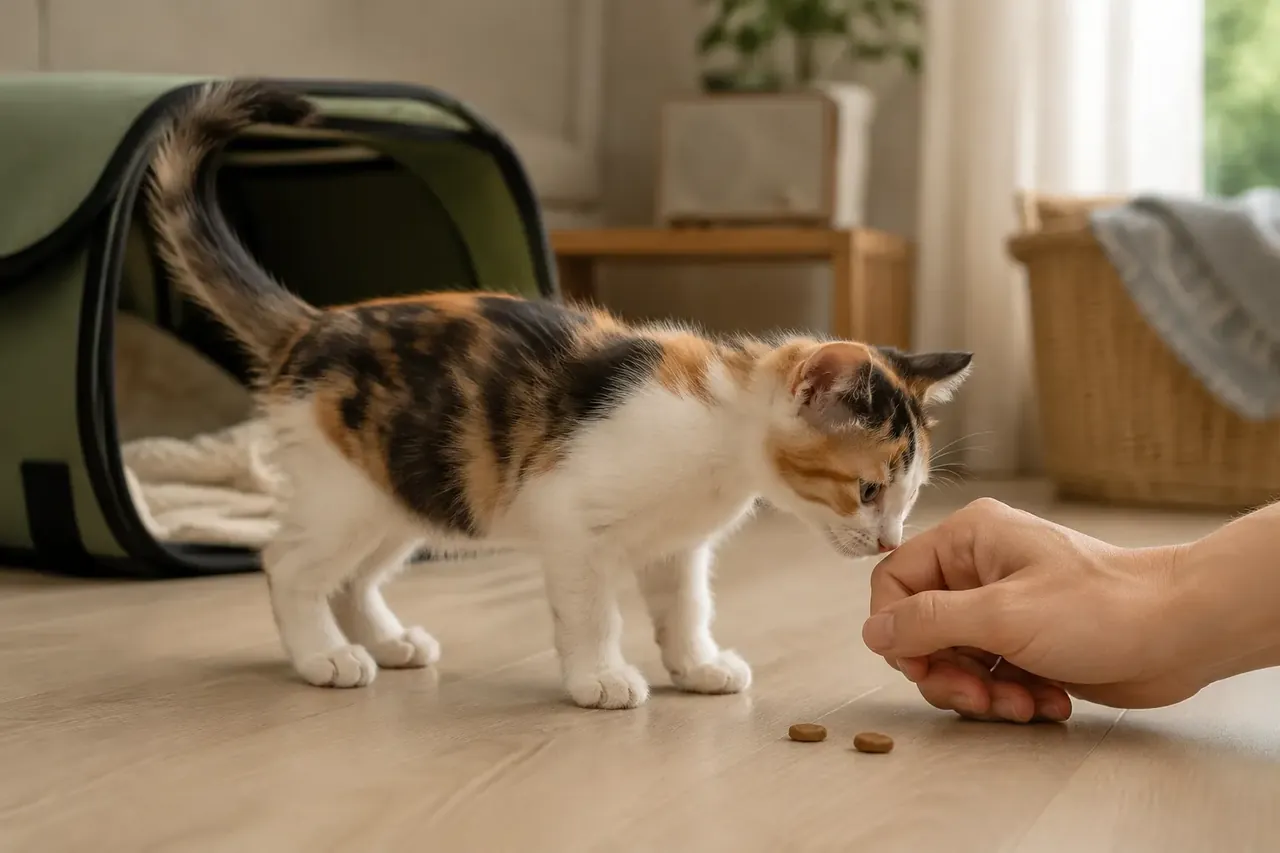 Topic illustration selected for this guide. Some learning images may be AI-assisted.
How much interactive play does a kitten need — the quick answer
✓ One long chaotic session may overstimulate a kitten, while predictable small sessions fit their natural activity pattern.
✓ Offer several supervised five-to-ten-minute games and stop while the kitten can still make good choices.
✓ Exercise intolerance, limping, open-mouth breathing or a sudden loss of interest in play needs veterinary advice.
Kittens benefit from frequent brief play that lets them stalk, chase, catch and then settle.
The short answer
Kittens benefit from frequent brief play that lets them stalk, chase, catch and then settle.
Why it may happen
One long chaotic session may overstimulate a kitten, while predictable small sessions fit their natural activity pattern.
Read the whole situation
One behaviour rarely has one guaranteed meaning. Compare it with your cat’s age, health, posture, appetite, litter habits, environment and usual pattern before drawing a conclusion.
What to do now
Offer several supervised five-to-ten-minute games and stop while the kitten can still make good choices.
What not to do
Avoid punishment, forced handling and sudden large changes. They can add fear while hiding the information that would help you understand the original cause.
When to contact a veterinarian
Exercise intolerance, limping, open-mouth breathing or a sudden loss of interest in play needs veterinary advice.
Keep a useful record
Write down when it started, how often it happens and what immediately precedes and follows it. Photos, weights or short videos can make a veterinary or behaviour consultation more productive.
Use a complete five-to-ten-minute hunt
Move a wand toy away like prey, add pauses and hiding, and allow successful catches. Keep fingers and feet out of the game. Follow with a small appropriate meal or calm transition so the kitten can settle instead of staying highly aroused.
DEEPER GUIDE1 more detailed sectionsOpen +
Adjust to the individual kitten
Age, confidence and health change how much play is comfortable. Stop for panting, poor coordination, irritability or repeated hiding. Open-mouth breathing, limping, exercise intolerance or a sudden loss of interest in play needs veterinary advice.
Your quick checklist
Your progress is saved on this device.
Three simple things you can do
You do not have to change everything today. Pick one step that feels realistic, try it and see how your cat responds.
- 1Use toys at a distance from hands to teach where claws and teeth belong.
- 2Keep sessions short and end with a catch before frustration rises.
- 3Pause calmly when biting becomes hard, then resume with an appropriate toy later.
Common mistakes
×Wrestling with bare hands.
×Using spray bottles or physical punishment.
×Expecting one long play session to meet a kitten's daily needs.
Questions cat people ask
How much should I play with my kitten?+
Several short sessions spread through the day usually suit kitten attention and energy better than one long session. Adjust to age, health and arousal.
How do kittens learn bite control?+
Consistent feedback helps: hands stop moving when biting is hard, play pauses briefly and suitable toys provide another outlet. Gentle social partners also contribute.
Still looking for the right answer?
Search the full EverYes Cats encyclopedia with your own words — a symptom, food, behaviour, breed or everyday question.
Checked, dated and transparent
- Prepared by
- EverYes Cats editorial team
- Last updated
- 13 August 2026
- Source checked
- 13 August 2026
- Primary reference
- International Cat Care ↗
We begin with the named reference, rewrite the information in plain language and add practical cat-parent steps. Urgent health statements are checked against veterinary sources. This guide has not been individually reviewed by a veterinarian unless explicitly stated. It provides education, not diagnosis or treatment.
Spotted something unclear or outdated? Tell us so we can review it.
Your answer helps us improve the cat encyclopedia.
A moving tail can become an irresistible play target, while the kitten may not yet respect the older cat's rest signals. A practical guide to what matters, what to do and when to seek help.