High blood pressure in cats: the signs can be silent
High blood pressure in cats is often silent until it damages the eyes, brain, kidneys or heart. Senior cats and cats with kidney or thyroid disease benefit from veterinary blood-pressure checks; sudden blindness, seizures or collapse require urgent care.
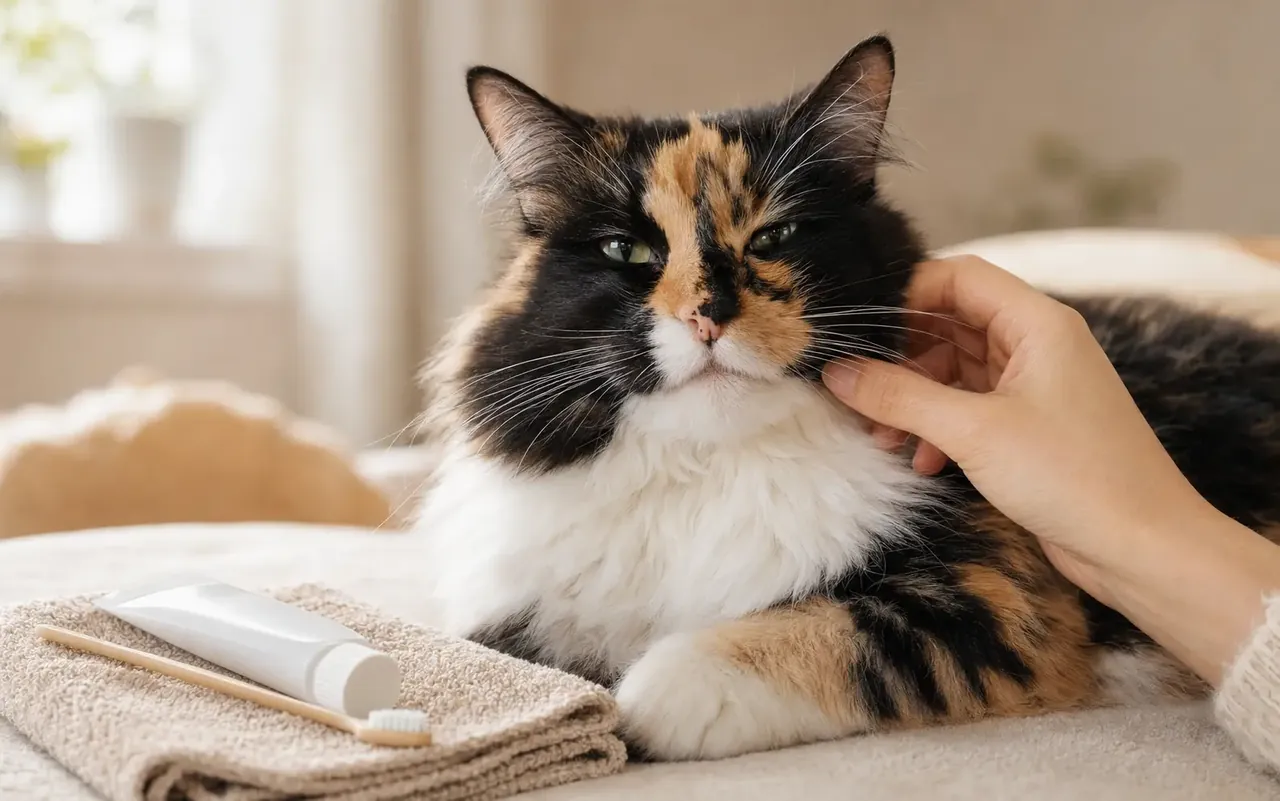 Topic illustration selected for this guide. Some learning images may be AI-assisted.
This sign can be urgent. Call a veterinarian or emergency clinic now for individual triage; do not wait for this article to diagnose the cause.
High blood pressure in cats: the signs can be silent — the quick answer
✓ Hypertension may have no early visible signs
✓ Sudden blindness is an emergency
✓ Kidney and thyroid disease increase concern
✓ Blood pressure must be measured—not guessed from behaviour
Feline hypertension often develops alongside kidney disease or hyperthyroidism. Many cats look normal until an eye, brain, kidney or heart is affected, so blood-pressure measurement is an important part of senior care.
Do not wait for an obvious symptom
A cat can appear comfortable while blood pressure is high. Risk rises with age and with conditions such as chronic kidney disease and hyperthyroidism, but appearance alone cannot confirm or exclude hypertension. Ask whether blood-pressure measurement belongs in the cat's routine or disease-monitoring plan rather than trying to judge pressure from energy, appetite or temperament.
Recognise possible target-organ damage
Sudden bumping into objects, very wide pupils, blood visible inside an eye, disorientation, imbalance, weakness or seizures can occur after the eyes or nervous system are affected. New breathing difficulty or collapse also needs urgent assessment. These signs do not prove hypertension at home, but they are reasons to contact a veterinary clinic immediately rather than wait for a routine visit.
Understand how pressure is measured
A veterinary team usually uses an inflatable cuff and repeated readings while minimising stress. One anxious reading may not represent the cat's usual pressure, so the team considers technique, behaviour, repeatability, examination findings and existing disease together. Home pulse checks, phone apps and touching the gums cannot replace a validated feline blood-pressure measurement.
Connect blood pressure with the whole cat
Kidney disease, hyperthyroidism and heart changes can occur in the same older cat. The veterinarian may recommend urine and blood tests, an eye examination or other investigation alongside pressure measurement. Record thirst, urine-clump size, weight, appetite, vomiting, night calling, navigation and prescribed medicines so the result is interpreted in useful clinical context.
Follow treatment and rechecks precisely
Prescription treatment and management of an underlying condition can reduce further damage, but the medicine, dose and monitoring interval must be individual. Give each dose exactly as directed and ask what to do after a missed or vomited dose. Never share human blood-pressure tablets, double a dose or stop medicine because the cat seems normal.
Make sudden vision loss an emergency
Keep a suddenly disoriented cat indoors in one familiar hazard-free room, block stairs and leave furniture, food, water and litter in their usual positions. Do not shine bright lights into the eyes or give leftover drops. Call urgent veterinary care because retinal damage may be involved and timely assessment matters, even when the eye surface looks normal.
Your quick checklist
Loading saved progress…
What to do now
Do not use this guide to delay care. Start with the first step and follow the veterinary professional's instructions.
- 1Ask about blood-pressure screening for senior cats and cats with kidney or thyroid disease.
- 2Give medication exactly as prescribed and attend repeat measurements.
- 3Seek urgent care for sudden blindness, disorientation, seizures or collapse.
Common mistakes
×Assuming high blood pressure always causes visible early signs.
×Stopping medication after one improved reading.
×Waiting after sudden vision loss because the eye looks normal.
Questions cat people ask
What causes high blood pressure in cats?+
It commonly accompanies kidney disease or hyperthyroidism, though other causes and primary hypertension are possible. Veterinary testing identifies the plan.
Can high blood pressure make a cat blind?+
Yes. It can damage the retina and cause sudden vision loss, which is an urgent veterinary problem.
Still looking for the right answer?
Search the full EverYes Cats encyclopedia with your own words — a symptom, food, behaviour, breed or everyday question.
Checked, dated and transparent
- Prepared by
- EverYes Cats editorial team
- Last updated
- Source checked
- Primary reference
- Cornell Feline Health Center: Hypertension ↗
We begin with the named reference, rewrite the information in plain language and add practical cat-parent steps. Urgent health statements are checked against veterinary sources. This guide has not been individually reviewed by a veterinarian unless explicitly stated. It provides education, not diagnosis or treatment.
How we choose and use sources →
Spotted something unclear or outdated? Tell us so we can review it.
Loading your saved choice…
A true resting respiratory rate can help describe a change, but visible effort is more important than the number. Count only while breathing looks comfortable and seek emergency care immediately for distress.
 02
 05
 06