Cat symptom guide: Pale, white or blue gums
Pale or white gums can accompany anaemia, blood loss or poor circulation; blue or grey gums can signal inadequate oxygen. Treat colour change with weakness, breathing difficulty or collapse as an emergency.
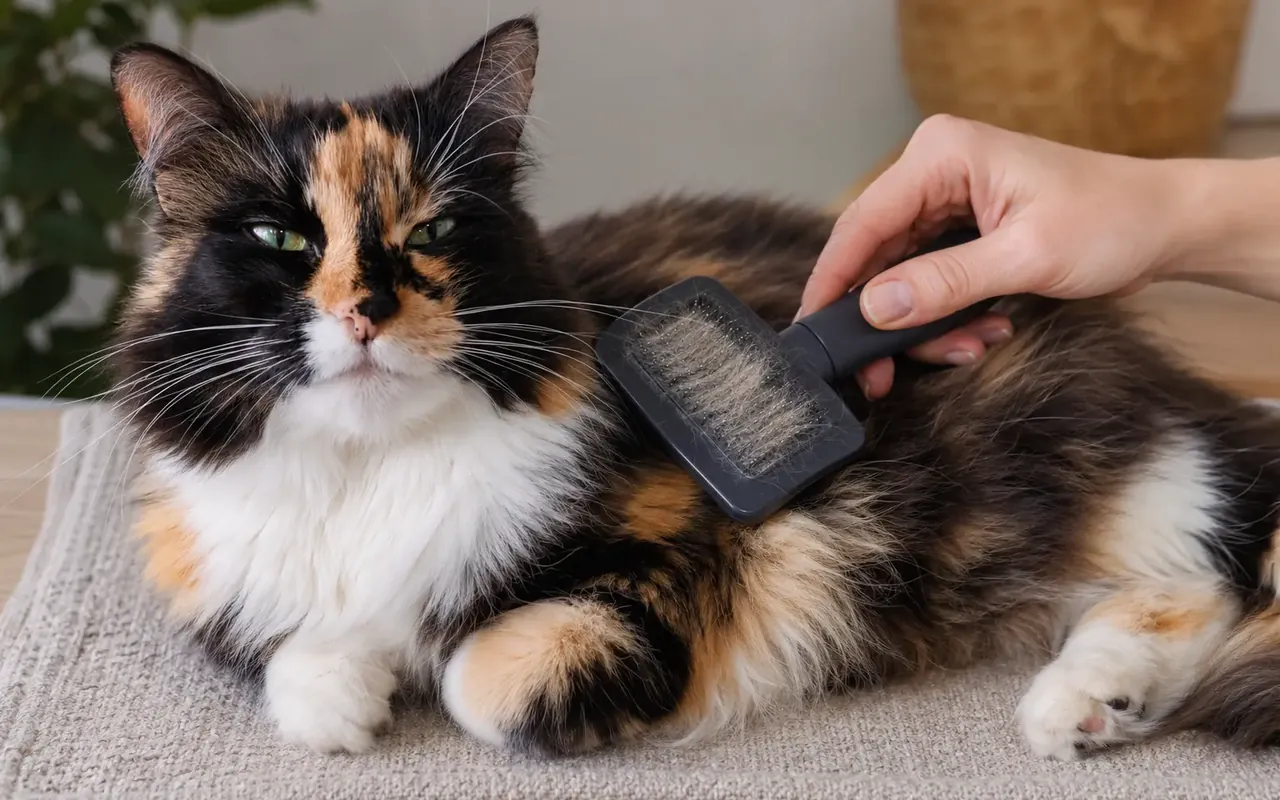 Topic illustration selected for this guide. Some learning images may be AI-assisted.
This sign can be urgent. Call a veterinarian or emergency clinic now for individual triage; do not wait for this article to diagnose the cause.
Cat symptom guide: Pale, white or blue gums — the quick answer
✓ Treat this as urgent
✓ Seek emergency veterinary help now.
✓ Record timing, frequency and related changes
A symptom is information, not a diagnosis. Abnormal gum colour can accompany shock, anaemia or breathing and circulation problems. When in doubt, a veterinary professional can triage the situation using your cat's age, history and current signs.
Check once in good neutral light
If the cat is calm, lift the lip briefly and compare the gums with their usual colour in daylight or neutral indoor light. Pink shade varies between cats, and pigmented patches may be normal. Do not repeatedly press the gum, force the mouth open or struggle with a distressed cat to obtain a perfect photograph.
Separate pale from blue, grey or yellow
Very pale or white tissue can occur with anaemia, bleeding or circulatory problems. Blue or grey tissue suggests poor oxygenation and is immediately critical. Yellow tissue is jaundice and also needs prompt assessment. Lighting and camera processing can mislead, so describe the whole cat rather than diagnosing from colour alone.
Look for signs that raise urgency
Note breathing rate and effort, weakness, collapse, visible bleeding, recent trauma, black stool, blood in vomit, dark urine, toxin or medication exposure and whether the change was sudden. Open-mouth breathing, blue-grey gums, uncontrolled bleeding, collapse or profound weakness requires emergency care now.
Call and transport with minimal stress
Phone the emergency veterinary service, describe the colour and accompanying signs, and follow its instructions. Keep the cat quiet, comfortably warm and supported in a ventilated carrier. Do not chase, wrap tightly or press the abdomen; breathing or circulation can worsen with stress.
Do not treat presumed anaemia at home
Do not give iron, vitamins, liver, human medication or leftover pet medicine. Anaemia has many possible causes and excess supplements can harm or delay diagnosis. Do not force food or water into a weak cat, and do not wait for colour to return before seeking help when other warning signs are present.
Expect testing to identify the mechanism
Veterinary assessment may include blood cell measurements, examination for blood loss or red-cell destruction and tests guided by history and findings. A brief improvement in gum colour does not prove the problem has resolved. Follow recheck instructions and report new breathing, appetite, stool or urine changes immediately.
Your quick checklist
Loading saved progress…
What to do now
Do not use this guide to delay care. Start with the first step and follow the veterinary professional's instructions.
- 1Check gum colour in good natural light and compare it with your cat's usual healthy pink.
- 2Note breathing, energy, temperature, bleeding, appetite and possible toxin or trauma exposure.
- 3Seek emergency veterinary care for newly pale or white gums with weakness, rapid breathing, collapse or cold limbs.
Common mistakes
×Waiting for the colour to return when the cat is weak.
×Judging gum colour under strongly coloured artificial light.
×Giving iron or human supplements without a diagnosis.
Questions cat people ask
What can pale gums mean in a cat?+
Anaemia, blood loss, poor circulation, shock and serious illness can make gums pale. Colour alone cannot identify the cause, but a new change needs prompt assessment.
Are pale gums always an emergency?+
Very pale or white gums with weakness, collapse, breathing change or suspected bleeding are an emergency. Even without those signs, a persistent new change warrants same-day veterinary advice.
Still looking for the right answer?
Search the full EverYes Cats encyclopedia with your own words — a symptom, food, behaviour, breed or everyday question.
Checked, dated and transparent
- Prepared by
- EverYes Cats editorial team
- Last updated
- Source checked
- Primary reference
- Cornell Feline Health Center: Anemia ↗
We begin with the named reference, rewrite the information in plain language and add practical cat-parent steps. Urgent health statements are checked against veterinary sources. This guide has not been individually reviewed by a veterinarian unless explicitly stated. It provides education, not diagnosis or treatment.
How we choose and use sources →
Spotted something unclear or outdated? Tell us so we can review it.
Loading your saved choice…
Repeated vomiting needs prompt veterinary assessment. Blood, severe pain, weakness, breathing change, inability to keep water down or possible toxin, string or foreign-body exposure can make it an emergency.
 01
 02
 04