Fleas on cats: signs, treatment and the home
Fleas can cause itching, flea-allergy dermatitis, tapeworm exposure and dangerous anemia in heavily infested kittens. Confirm signs with careful combing, use only veterinarian-recommended cat products and treat every pet and the environment as one coordinated plan.
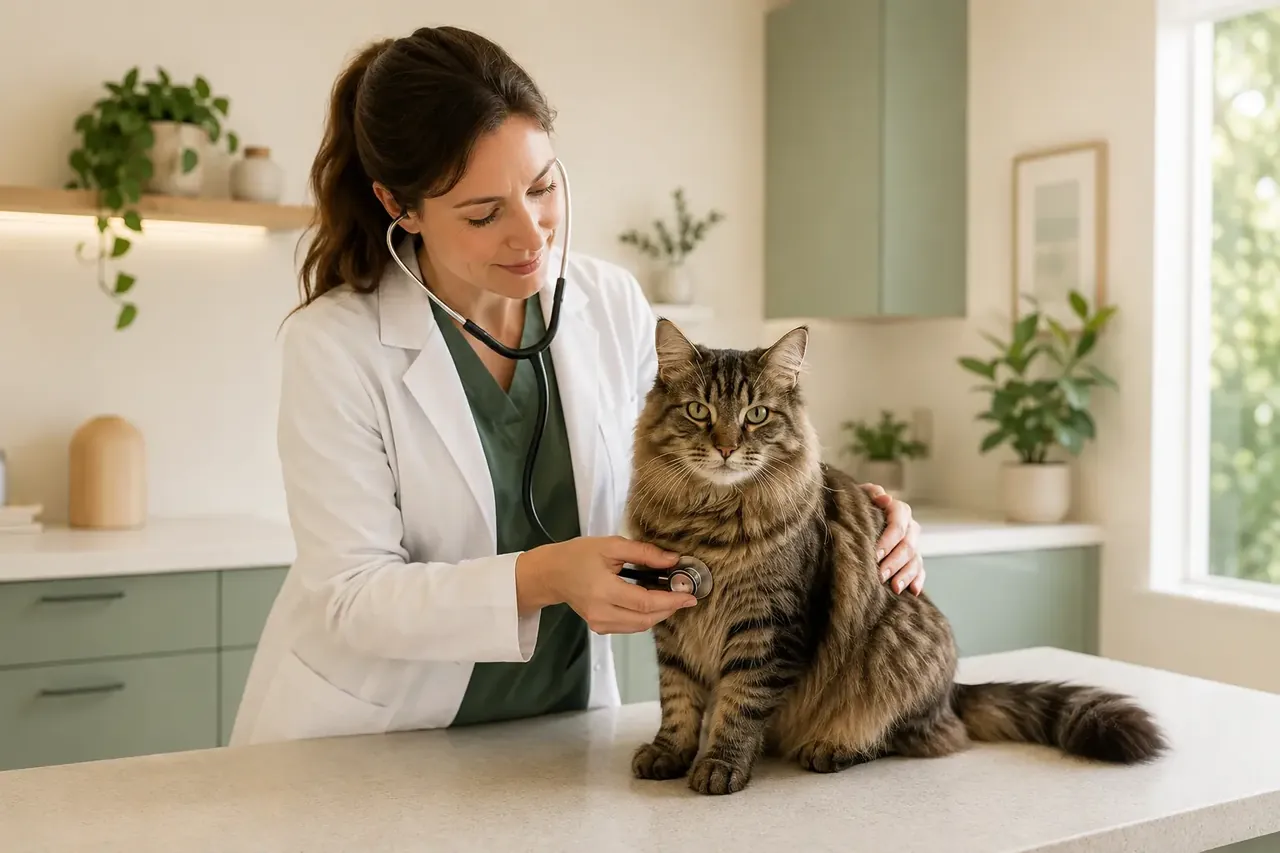 Topic illustration selected for this guide. Some learning images may be AI-assisted.
This sign can be urgent. Call a veterinarian or emergency clinic now for individual triage; do not wait for this article to diagnose the cause.
Fleas on cats: signs, treatment and the home — the quick answer
✓ Contact a veterinarian for cat-safe treatment for every pet and a coordinated home plan.
✓ Pale gums, weakness, breathing changes or a heavily infested kitten needs urgent care.
✓ This information supports observation and does not replace veterinary diagnosis.
Use a flea comb over the back and tail base and look for live fleas, itching or black specks that redden when wet. This guide explains what to record, what not to do and when veterinary care becomes urgent.
Look for fleas and flea dirt methodically
Use a fine flea comb over the neck, back and tail base while the cat stands on a pale towel. Live fleas move quickly; black specks that smear reddish-brown when moistened may be digested blood. A negative comb does not rule out fleas, especially in a grooming cat. Record itching, scabs, hair loss and whether other pets or people have bites.
Never substitute a dog flea product
Products made for dogs can contain concentrations or ingredients, including permethrin, that are highly dangerous to cats. Do not divide dog doses, combine collars and spot-ons or use household insecticide directly on the cat. Ask a veterinarian for a product matched to species, age, weight and health. If a dog product was applied, wash only as professionally directed and seek urgent poison advice immediately.
Treat the household as well as the visible cat
Most flea stages develop away from the animal. Vacuum floors, furniture edges and resting areas and wash bedding as advised while every pet receives compatible treatment. Empty the vacuum safely and follow product labels exactly. Do not spray sleeping cats, food areas or children’s surfaces indiscriminately, and never mix pesticides in an attempt to make environmental control faster.
Check kittens and vulnerable cats for anemia
Heavy flea burdens can remove enough blood to cause pale gums, weakness, fast breathing, poor growth or collapse, especially in kittens. These signs require urgent veterinary care rather than a bath and wait-and-see approach. Bring the flea product packaging and report appetite, weight and energy. Do not give iron, vitamins or human medication without an exact veterinary plan.
Prevent reinfestation with a complete schedule
Continue treatment for the full interval recommended even when adult fleas disappear, because developing stages can emerge later. Treat contact animals only with products approved for their species and keep a written schedule to prevent double dosing. Contact the clinic if itching, skin wounds or hair loss persist; fleas may have triggered allergy or infection that needs separate treatment.
Your quick checklist
Loading saved progress…
What to do now
Do not use this guide to delay care. Start with the first step and follow the veterinary professional's instructions.
- 1Observe your cat’s individual baseline.
- 2Make one gentle change at a time.
- 3Ask a qualified professional when health or safety is involved.
Common mistakes
×Waiting for a dramatic symptom instead of noticing smaller changes from the cat’s normal routine.
×Changing several things at once, making it difficult to learn what actually helped.
×Treating general guidance as a substitute for advice from a veterinarian who knows the individual cat.
Questions cat people ask
Does every cat follow the same rule?+
No. Age, health, history, temperament and environment all change what works for an individual.
When should I seek professional help?+
Seek veterinary advice for sudden, persistent or concerning changes and urgent help for breathing difficulty, collapse, seizures, poisoning or urinary obstruction signs.
Still looking for the right answer?
Search the full EverYes Cats encyclopedia with your own words — a symptom, food, behaviour, breed or everyday question.
Checked, dated and transparent
- Prepared by
- EverYes Cats editorial team
- Last updated
- Source checked
- Primary reference
- Cornell: Flea and Tick Prevention ↗
We begin with the named reference, rewrite the information in plain language and add practical cat-parent steps. Urgent health statements are checked against veterinary sources. This guide has not been individually reviewed by a veterinarian unless explicitly stated. It provides education, not diagnosis or treatment.
How we choose and use sources →
Spotted something unclear or outdated? Tell us so we can review it.
Loading your saved choice…
Red, swollen or bleeding gums are not a normal effect of age. Gingivitis, periodontal disease, tooth resorption and more extensive mouth inflammation can be painful even when a cat continues eating, so persistent change needs a veterinary dental examination.
 02
 03