Ambush play in cats: fun, fear and how to tell the difference
Ambush play uses normal stalking and pouncing movements, but it stops being mutual when one participant cannot disengage or becomes fearful. Judge flexibility, recovery and consent rather than the dramatic leap alone.
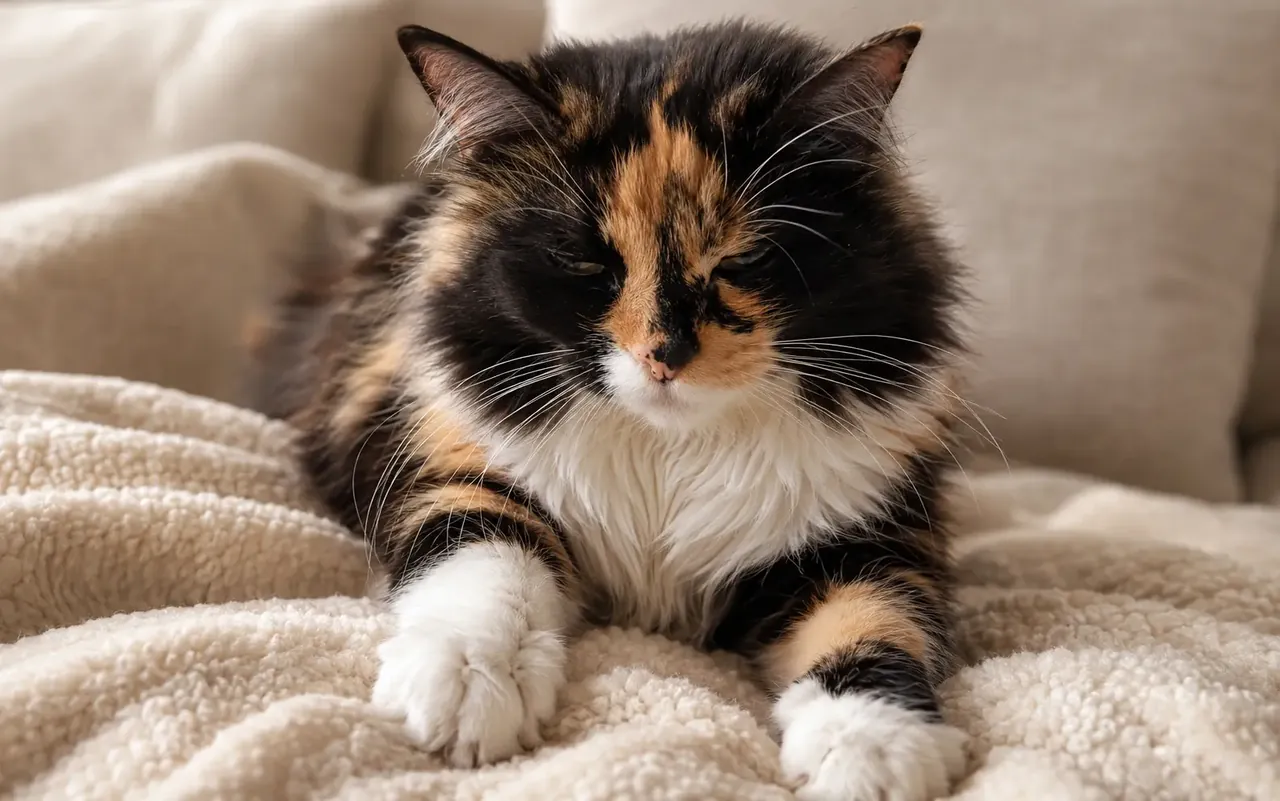
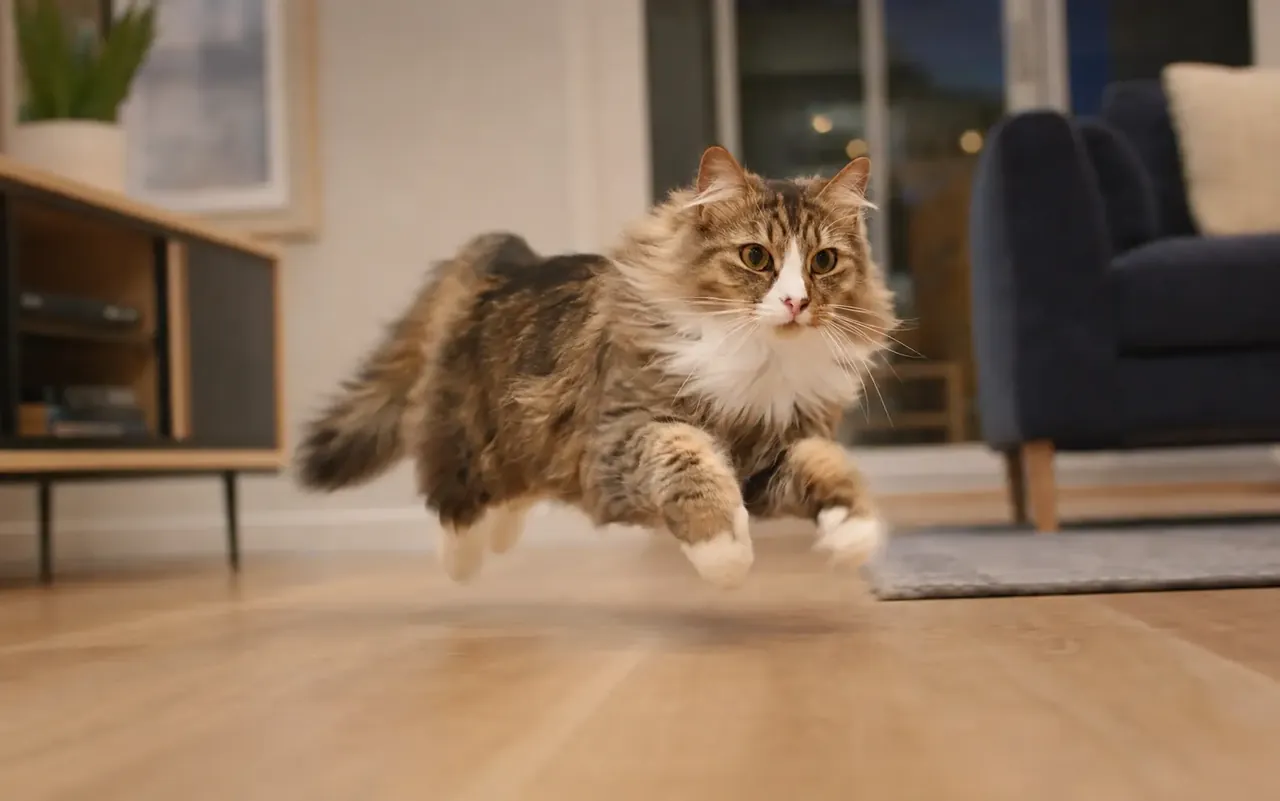 Topic illustration selected for this guide. Some learning images may be AI-assisted.
Ambush play in cats: fun, fear and how to tell the difference — the quick answer
✓ Stalking and pouncing are normal hunting movements. Mutual social play remains flexible and does not leave one participant hiding.
✓ Provide hunting outlets, escape routes and vertical space. Interrupt tense patterns with distance rather than hands.
✓ Read the complete body and setting
✓ Injury, one-sided pursuit, persistent fear or sudden aggression requires veterinary and behaviour help.
A cat waits behind a chair and springs as a person or pet passes. Stalking and pouncing are normal hunting movements. Mutual social play remains flexible and does not leave one participant hiding. This guide helps you read the moment, protect the relationship and choose a response that works for the cat as well as the household.
What playful ambushing looks like
A loose cat waits, pounces, pauses and returns to ordinary behaviour. In cat-to-cat play, roles may reverse and both animals choose to re-engage. Human-directed play should use toys at a distance so skin never becomes the expected target.
Recognise a fear or conflict pattern
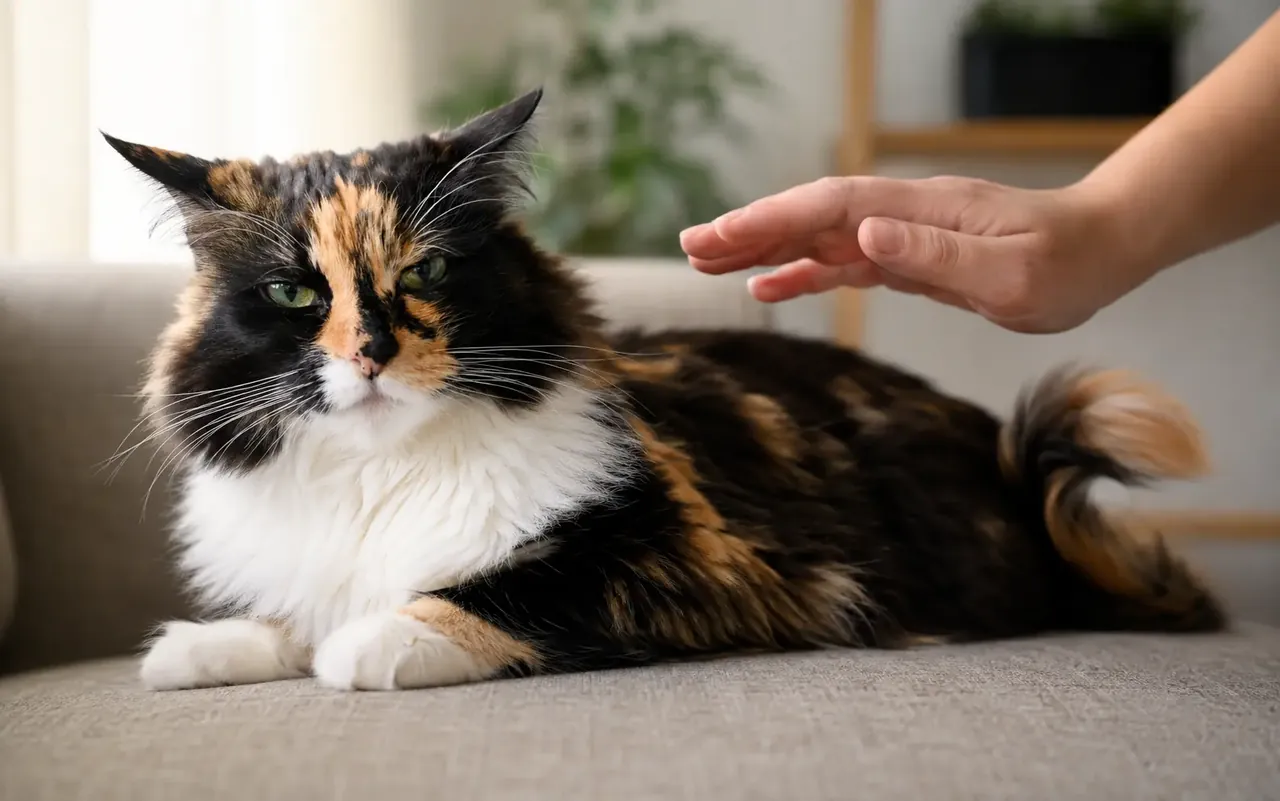
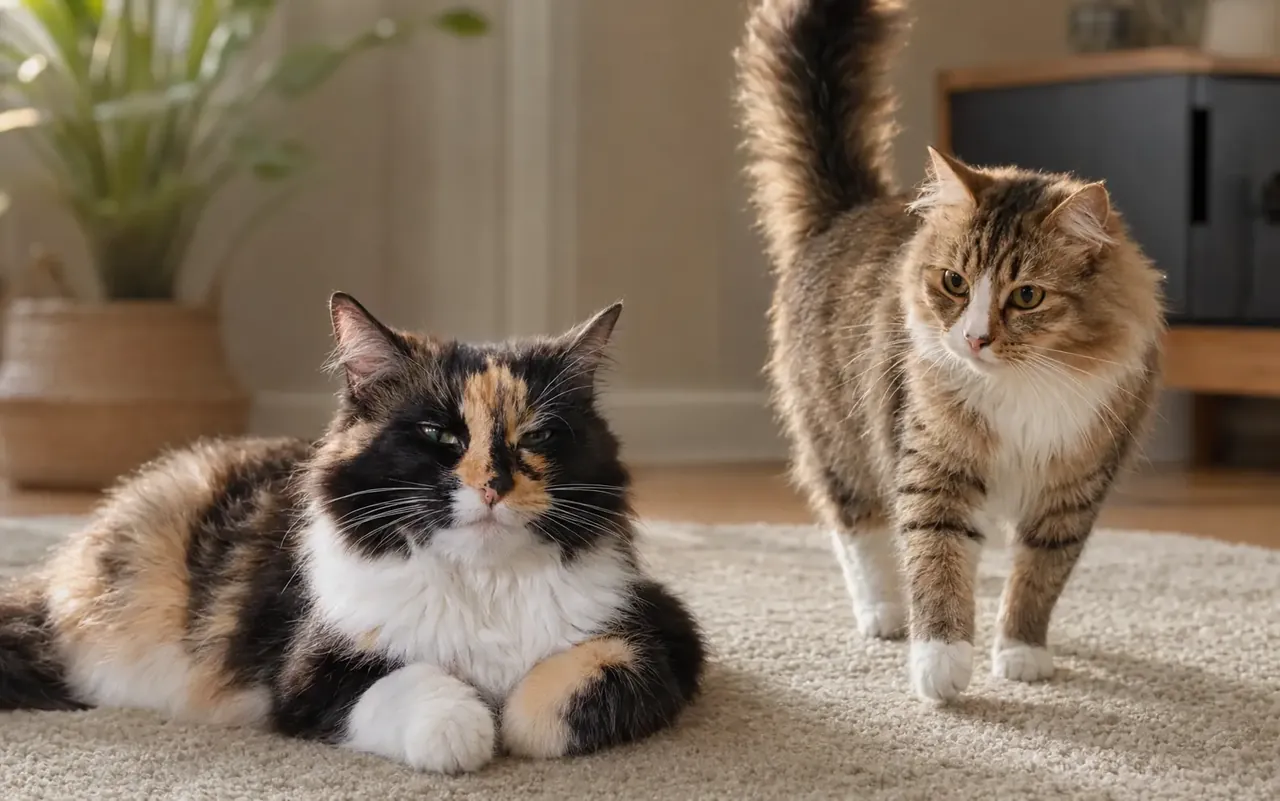
Concern rises with stiff posture, flattened ears, sustained growling, repeated one-sided pursuit, blocked exits or a victim that hides and does not return. Quiet staring and doorway control can matter even when there is no screaming or fur flying.
Provide a complete hunting outlet
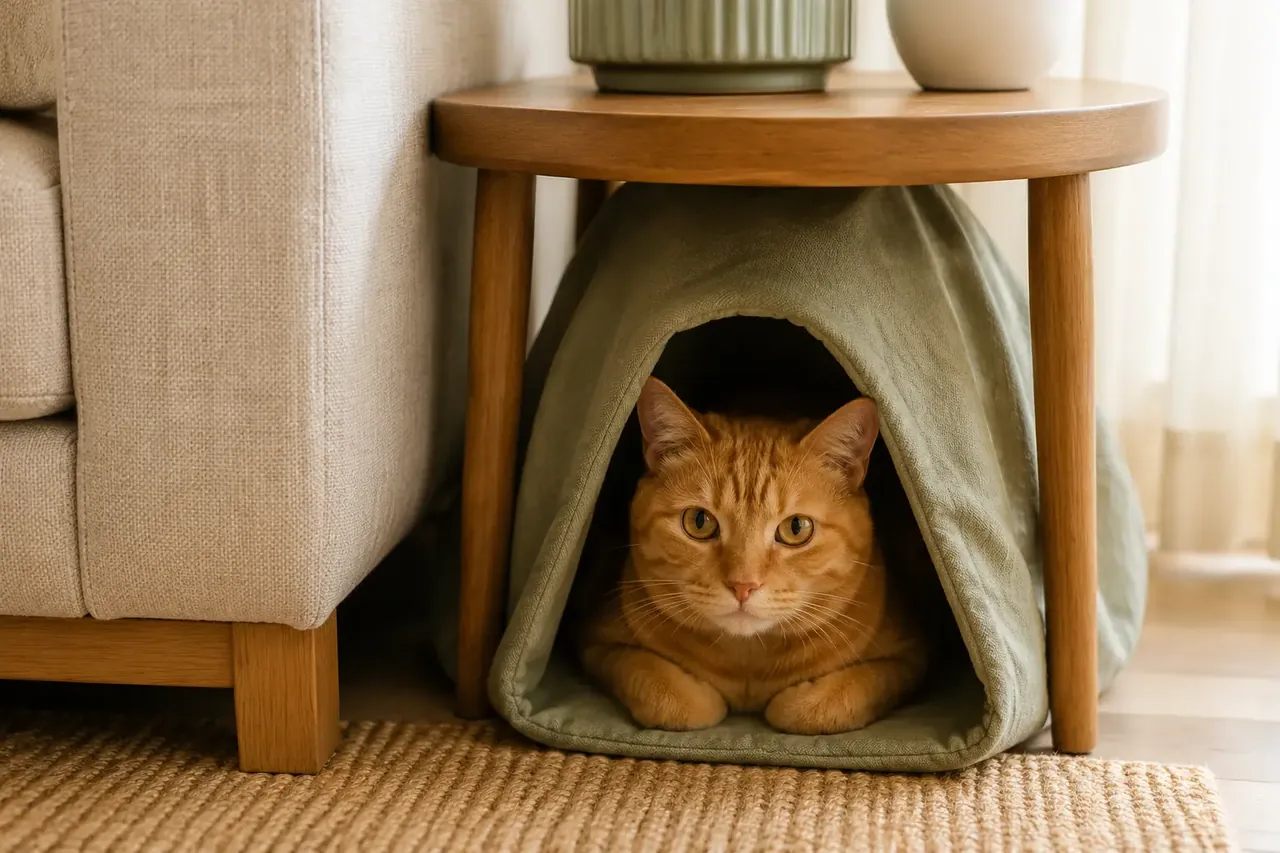
Move a long wand toy like prey—hide, pause, escape and allow a catch. Offer several short sessions around predictable active periods and store strings afterward. Boxes and tunnels need more than one exit when multiple cats use them.
Interrupt escalation safely
Use distance, a visual barrier or an opened escape route before contact becomes intense. Never put hands between fighting cats, lift an aroused cat or punish either participant. After a serious incident, separate with complete resources until fully calm.
When ambushing requires assessment
Veterinary advice is appropriate for sudden aggression, injury, pain, one-sided pursuit or persistent fear. Bite wounds can be small but deep. Ongoing conflict benefits from qualified feline behaviour support after health causes are assessed.
Your quick checklist
Loading saved progress…
Three simple things you can do
You do not have to change everything today. Pick one step that feels realistic, try it and see how your cat responds.
- 1Observe your cat’s individual baseline.
- 2Make one gentle change at a time.
- 3Ask a qualified professional when health or safety is involved.
Common mistakes
×Waiting for a dramatic symptom instead of noticing smaller changes from the cat’s normal routine.
×Changing several things at once, making it difficult to learn what actually helped.
×Treating general guidance as a substitute for advice from a veterinarian who knows the individual cat.
Questions cat people ask
Does every cat follow the same rule?+
No. Age, health, history, temperament and environment all change what works for an individual.
When should I seek professional help?+
Seek veterinary advice for sudden, persistent or concerning changes and urgent help for breathing difficulty, collapse, seizures, poisoning or urinary obstruction signs.
Still looking for the right answer?
Search the full EverYes Cats encyclopedia with your own words — a symptom, food, behaviour, breed or everyday question.
Checked, dated and transparent
- Prepared by
- EverYes Cats editorial team
- Last updated
- Source checked
- Primary reference
- Cornell: Aggression in cats ↗
We begin with the named reference, rewrite the information in plain language and add practical cat-parent steps. Urgent health statements are checked against veterinary sources. This guide has not been individually reviewed by a veterinarian unless explicitly stated. It provides education, not diagnosis or treatment.
How we choose and use sources →
Spotted something unclear or outdated? Tell us so we can review it.
Loading your saved choice…
A camera can change your posture, attention and the environment, so a cat that normally plays may pause when recording begins.
 01
 02
 03
 04
 05
 06