← Cat encyclopedia14
27 GUIDES
Bonding & training
Choice-based ways to build trust, teach useful skills and enjoy life together.
IN THIS LIBRARY
Build trust and teach useful cat skills
Bonding is not measured only by cuddles. Cats can show trust by choosing to stay nearby, joining a routine, playing, learning or calmly leaving when they have had enough. This hub connects relationship-building with short, reward-based training.
CHOOSE YOUR CONNECTION
Six ways to understand and build your bond
Start with the interaction that feels most like your cat. Connection is individual, and quieter signs still count.
BOND WITHOUT PETTINGHow to bond with a cat that does not like petting
Trust through proximity, predictability and choice
Build this connection →RECOGNISE FOOTSTEPSCan cats recognise a person by their footsteps?How cats learn familiar sound patterns
Build this connection →RESPOND TO A NAMEHow to teach a cat to respond to their nameBuild a positive cue without repeating or chasing
Build this connection →TARGET TRAININGA beginner’s guide to target training a catA simple skill for communication and movement
Build this connection →GO TO A MATHow to teach a cat to go to a matCreate a useful, comfortable station behaviour
Build this connection →FOLLOWS, NO CUDDLESWhy Does My Cat Follow Me but Not Want Cuddles?Connection can mean company without physical contact
Build this connection →START WITH YOUR QUESTION
What this topic covers
Let choice do the relationship work
Offer contact and activities without trapping the cat. A cat that can leave safely is more able to approach with confidence.
Reward the exact moment
Use a consistent marker and deliver a suitable reward immediately after the wanted action. Short timing is clearer than repeating a cue.
Train for everyday cooperation
Targeting, going to a mat and responding to a name can support carrier practice, grooming and calmer routines without punishment.
QUICK QUESTIONS
Important answers before you browse
Can I bond with a cat that does not enjoy petting?+
Yes. Predictable care, play, proximity, slow blinking and choice-based training can build a strong relationship without frequent touching.
How long should cat training sessions be?+
Often only a few successful repetitions. Stop while the cat is still comfortable and interested rather than training to exhaustion.
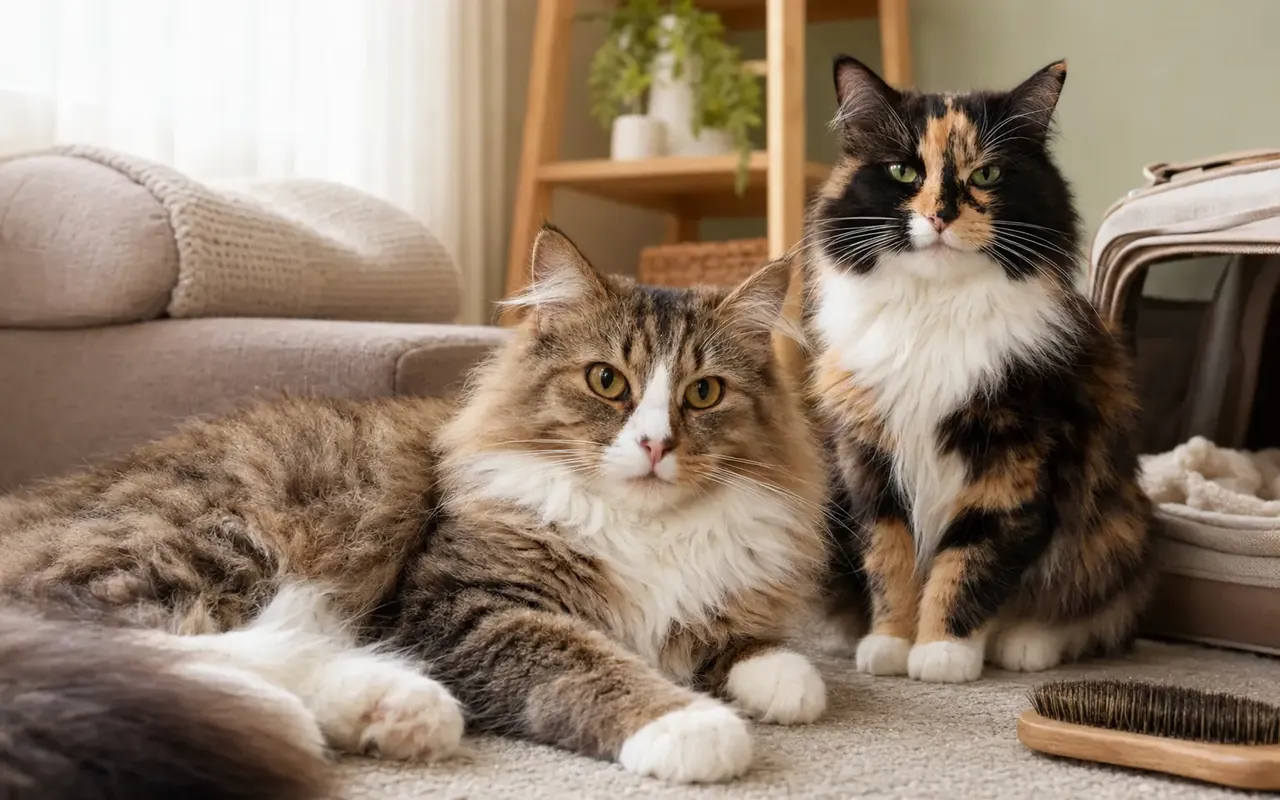
GOOD PLACE TO START · 9 min
How to keep a useful cat-training log
A few objective notes reveal which setup helps the cat succeed. A calm, practical guide to what it means and what to do next.
Read the guide →POPULAR IN THIS LIBRARY
See the complete library ↓Useful answers to start with
01 · 9 minWhy does my cat sleep on my clothes?Read guide →02 · 9 minWhy does my cat bring toys to my bed?Read guide →03 · 9 minWhy Does My Cat Sleep Behind My Knees?Read guide →04 · 9 minWhy Does My Cat Touch My Face With a Paw?Read guide →05 · 9 minWhy Does My Cat Follow Me but Not Want Cuddles?Read guide →06 · 9 minWhy does my cat rub against my wet hair?Read guide →
All bonding & training guides
27 articles01
GUIDE · 9 min
→02How to keep a useful cat-training log
A few objective notes reveal which setup helps the cat succeed. A calm, practical guide to what it means and what to do next.
GUIDE · 9 min
→03Why does my cat sleep on my clothes?
Cats often sleep on worn clothes because familiar scent, softness and warmth make the pile feel secure. Offer a washable scent-carrying alternative and store unsafe garments away.
GUIDE · 9 min
→04Why does my cat bring toys to my bed?
A cat may bring toys to the bed because it is a safe social place for carrying, storing or presenting an object after play. The exact motive varies by cat.
GUIDE · 9 min
→05Why Does My Cat Sleep Behind My Knees?
The space is warm, sheltered and close to a trusted person without requiring face-to-face contact. Learn what to observe, what to try safely and when to seek help.
GUIDE · 9 min
→06Why Does My Cat Touch My Face With a Paw?
A gentle paw can request attention, check your response or continue a familiar social routine. Learn what to observe, what to try safely and when to seek help.
GUIDE · 9 min
→07Why Does My Cat Follow Me but Not Want Cuddles?
Following and physical handling are separate social choices; many cats prefer proximity without being held. Learn what to observe, what to try safely and when to seek help.
GUIDE · 9 min
→08Why does my cat rub against my wet hair?
Wet hair carries strong familiar scent and texture, so rubbing may be social scent mixing. Hair products and swallowed strands are the avoidable risks.
GUIDE · 9 min
→09Can cats recognise a person by their footsteps?
Cats can learn the rhythm, vibration and context of familiar footsteps, often combining them with time, scent and the sounds that follow.
GUIDE · 9 min
→10Why Does My Cat Watch Me Sleep?
A resting person is predictable, warm and quiet, making the bed useful for social proximity. Learn what to observe, what to try safely and when to seek help.
GUIDE · 8 min
→11Why does my cat greet each person differently?
Cats build a separate relationship with every person through scent, voice, movement and repeated outcomes. Different greetings usually reflect different expectations—not a ranking of who the cat loves most.
GUIDE · 9 min
→12How to teach a cat to respond to their name
A name becomes useful when it consistently predicts something pleasant. A calm, practical guide to what it means and what to do next.
GUIDE · 9 min
→13A beginner’s guide to target training a cat
Target training teaches a cat to touch a nose to a small object, creating a gentle way to guide movement without pushing or lifting.
GUIDE · 9 min
→14How to choose a marker word for cat training
A brief consistent sound tells the cat exactly which action earned the reward. A calm, practical guide to what it means and what to do next.
GUIDE · 9 min
→15How long should a cat training session be?
One to three successful minutes can be more useful than continuing until attention disappears. A calm, practical guide to what it means and what to do next.
GUIDE · 9 min
→16How to teach a cat to go to a mat
A portable resting cue can make visitors, meals and care routines easier. A calm, practical guide to what it means and what to do next.
GUIDE · 9 min
→17How to bond with a cat that does not like petting
You can build a strong bond without touching by offering choice, predictable routines, play and calm shared space. This is especially useful for fearful or touch-sensitive cats.
GUIDE · 8 min
→18Why does my cat sit between two people?
The middle spot may offer warmth, security, scent familiarity or the best view. Practical observations, a safe next step and clear warning signs.
GUIDE · 8 min
→19Why does my cat lick my hair?
Licking a person's hair can be social grooming or scent mixing, but hair products and swallowed strands create avoidable risks.
GUIDE · 8 min
→20Why does my cat stand on my foot?
A foot can be a warm scent-rich contact point that keeps the cat close without full handling. Practical observations, a safe next step and clear warning signs.
GUIDE · 8 min
→21Why does my cat sleep beside my shoes?
Shoes carry strong familiar scent and often sit in sheltered doorway spaces, which can make them attractive resting landmarks.
GUIDE · 9 min
→22Why Does My Cat Sit Near Me but Never Touch Me?
Choosing proximity can be a strong social preference even when the cat dislikes physical contact. Read the full body, try a gentle response and know when the change matters.
GUIDE · 9 min
→23Why Does My Cat Ask for Attention and Then Walk Away?
The cat may want a greeting, brief touch or for you to follow rather than a long petting session. Read the full body, try a gentle response and know when the change matters.
GUIDE · 9 min
→24Why Does My Cat Sleep Near the Door When I Am Away?
The doorway carries arrival sounds and scent, making it a useful waiting and observation place. Read the full body, try a gentle response and know when the change matters.
GUIDE · 9 min
→25Why Does My Cat Lead Only One Person to the Food Bowl?
Cats build separate routines with each person and repeat requests with the person who responds most predictably. Read the full body, try a gentle response and know when the change matters.
GUIDE · 9 min
→26Why Does My Cat Rub Against Me After I Shower?
Showering changes familiar scent, and rubbing may investigate or restore a shared household scent. Read the full body, try a gentle response and know when the change matters.
GUIDE · 9 min
→27Why Does My Cat Wait Until I Sit Down to Approach?
A seated person is smaller, slower and more predictable, which can make approach feel safer. Read the full body, try a gentle response and know when the change matters.
GUIDE · 9 min
→Why Does My Cat Purr With One Person but Not Another?
Cats form individual interaction patterns, and purring is only one of many signs of comfort. Read the full body, try a gentle response and know when the change matters.