How to choose a marker word for cat training
A brief consistent sound tells the cat exactly which action earned the reward. A calm, practical guide to what it means and what to do next.
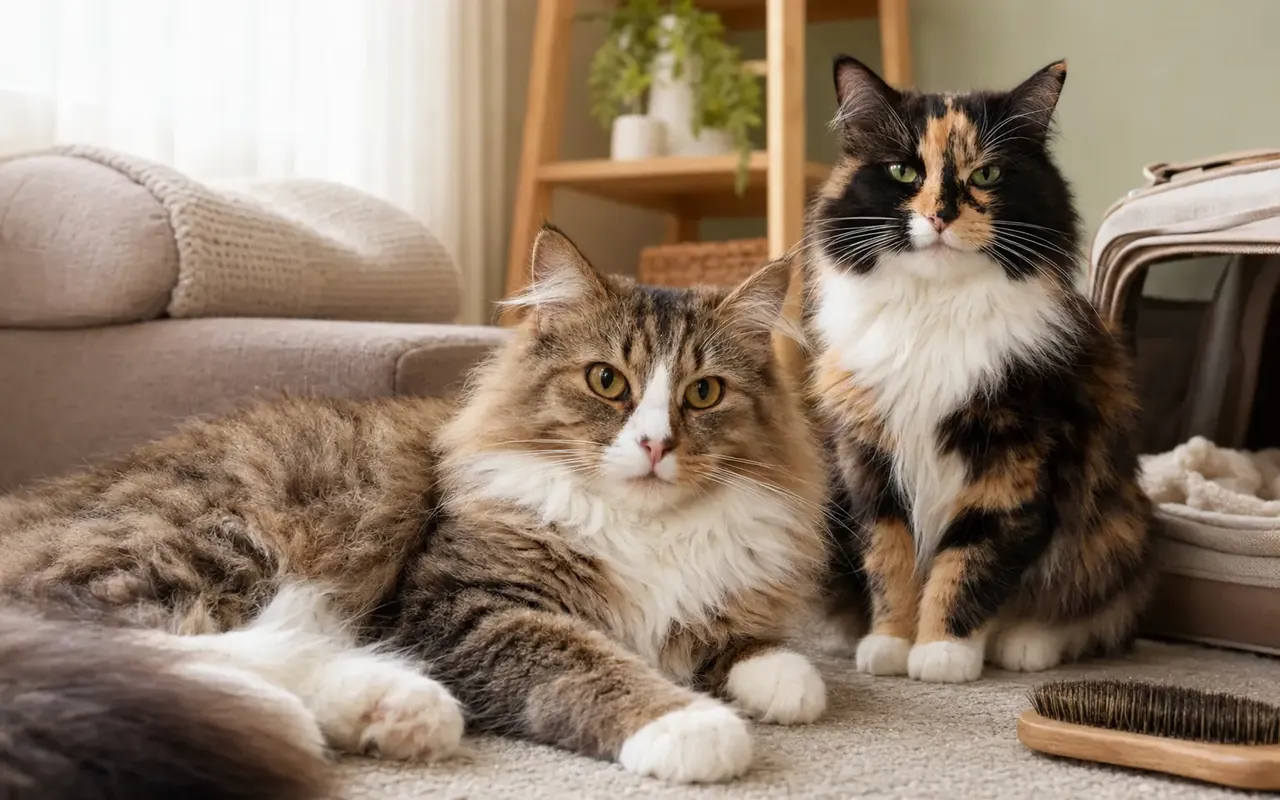 Topic illustration selected for this guide. Some learning images may be AI-assisted.
How to choose a marker word for cat training — the quick answer
✓ A brief consistent sound tells the cat exactly which action earned the reward
✓ Choose one short word, pair it with a treat repeatedly, then use it at the instant of the wanted behaviour.
✓ Do not use the marker to call the cat for something unpleasant.
A brief consistent sound tells the cat exactly which action earned the reward. Timing is clearer when the marker happens before your hand reaches for food. This guide separates the useful observation from guesswork and gives you one safe next step.
The clear answer
A brief consistent sound tells the cat exactly which action earned the reward. Timing is clearer when the marker happens before your hand reaches for food.
What to observe in your own cat
Read posture, muscle tension, eyes, ears, whiskers, tail, distance and the cat's ability to leave. A brief consistent sound tells the cat exactly which action earned the reward. One signal without its setting is easy to misread.
Why two cats may look different
Age, health, body shape, early experience, confidence and the immediate environment all affect what owners see. A common pattern can still deserve attention when it is new or different for this individual cat.
Make the home support the answer
Protect food, water, litter, rest, hiding and a clear route away while testing one small adjustment. Stable essentials make the cat's response easier to interpret.
A practical next step
Choose one short word, pair it with a treat repeatedly, then use it at the instant of the wanted behaviour. Keep the change small and easy to reverse, then compare the same facts again rather than relying on memory.
What not to do
Do not punish, frighten, force handling or remove every familiar option at once. Avoid using a general explanation to dismiss a sudden change in health or behaviour.
Warning signs and veterinary help
Do not use the marker to call the cat for something unpleasant.
Source and limits
This educational guide is informed by International Cat Care. It can help you observe and prepare useful information, but it cannot examine your cat, diagnose a condition or replace individual veterinary advice.
Your quick checklist
Your progress is saved on this device.
Three simple things you can do
You do not have to change everything today. Pick one step that feels realistic, try it and see how your cat responds.
- 1Choose one short word and say it immediately after the desired behaviour.
- 2Follow it with a small reward every time during learning.
- 3Practise first in a quiet room with an easy behaviour.
Common mistakes
×Using the marker as a command.
×Saying it long after the behaviour.
×Repeating it without delivering the promised reward.
Questions cat people ask
What is a marker word in cat training?+
It is a consistent sound such as yes that pinpoints the exact behaviour earning reinforcement, helping bridge the brief delay before the treat.
Is a clicker better than a word?+
Both can work. A click is highly consistent; a word requires no equipment. Timing and a reliable reward history matter more than the format.
Still looking for the right answer?
Search the full EverYes Cats encyclopedia with your own words — a symptom, food, behaviour, breed or everyday question.
Checked, dated and transparent
- Prepared by
- EverYes Cats editorial team
- Last updated
- 14 August 2026
- Source checked
- 14 August 2026
- Primary reference
- International Cat Care ↗
We begin with the named reference, rewrite the information in plain language and add practical cat-parent steps. Urgent health statements are checked against veterinary sources. This guide has not been individually reviewed by a veterinarian unless explicitly stated. It provides education, not diagnosis or treatment.
Spotted something unclear or outdated? Tell us so we can review it.
Your answer helps us improve the cat encyclopedia.
A portable resting cue can make visitors, meals and care routines easier. A calm, practical guide to what it means and what to do next.