How to bond with a cat that does not like petting
You can build a strong bond without touching by offering choice, predictable routines, play and calm shared space. This is especially useful for fearful or touch-sensitive cats.
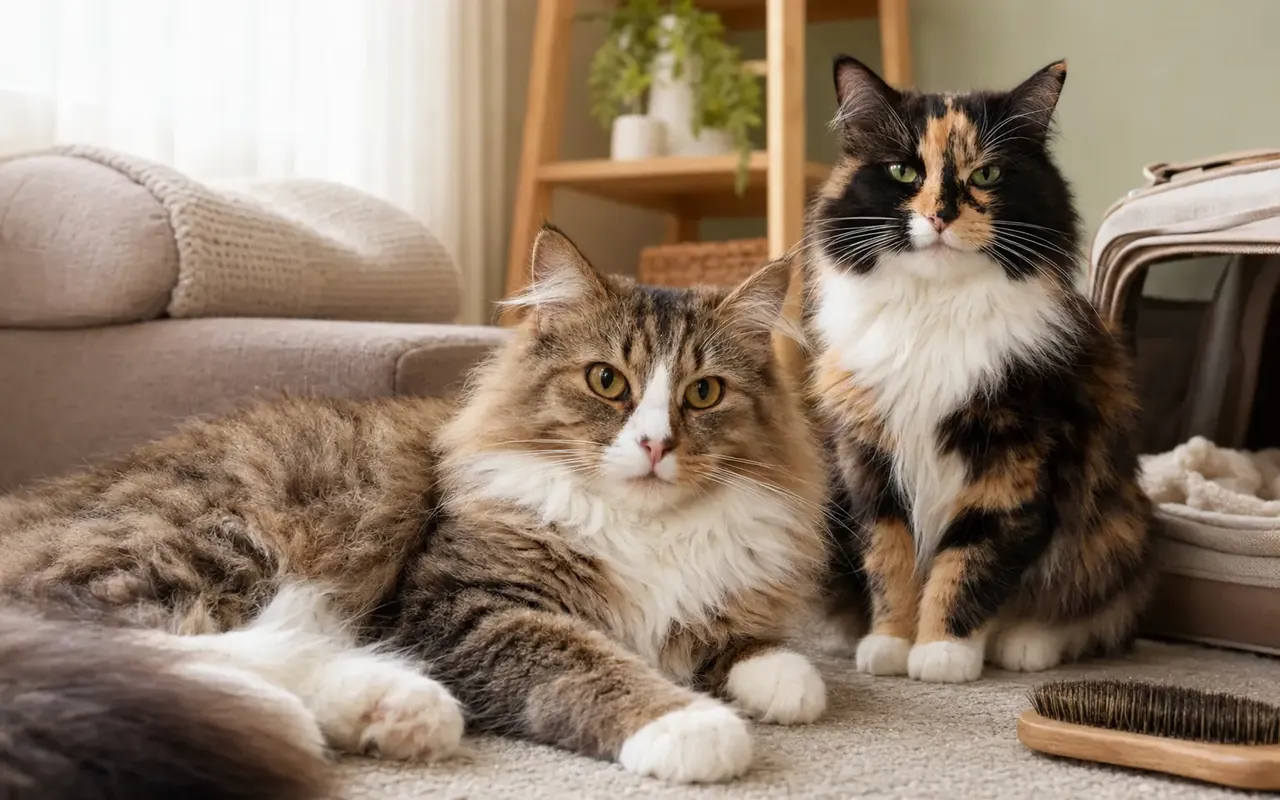 Topic illustration selected for this guide. Some learning images may be AI-assisted.
How to bond with a cat that does not like petting — the quick answer
✓ Trust can grow through presence, play, routine and choice without physical contact
✓ Use predictable meals, wand play, slow blinking and quiet parallel time while respecting distance.
✓ New avoidance of touch in a previously social cat warrants a health check.
Trust can grow through presence, play, routine and choice without physical contact. Some cats show affiliation by staying nearby, following or sharing a room. This guide separates the useful observation from guesswork and gives you one safe next step.
The clear answer
Trust can grow through presence, play, routine and choice without physical contact. Some cats show affiliation by staying nearby, following or sharing a room.
What to observe in your own cat
Read posture, muscle tension, eyes, ears, whiskers, tail, distance and the cat's ability to leave. Trust can grow through presence, play, routine and choice without physical contact. One signal without its setting is easy to misread.
Why two cats may look different
Age, health, body shape, early experience, confidence and the immediate environment all affect what owners see. A common pattern can still deserve attention when it is new or different for this individual cat.
Make the home support the answer
Protect food, water, litter, rest, hiding and a clear route away while testing one small adjustment. Stable essentials make the cat's response easier to interpret.
A practical next step
Use predictable meals, wand play, slow blinking and quiet parallel time while respecting distance. Keep the change small and easy to reverse, then compare the same facts again rather than relying on memory.
What not to do
Do not punish, frighten, force handling or remove every familiar option at once. Avoid using a general explanation to dismiss a sudden change in health or behaviour.
Warning signs and veterinary help
New avoidance of touch in a previously social cat warrants a health check.
Source and limits
This educational guide is informed by International Cat Care. It can help you observe and prepare useful information, but it cannot examine your cat, diagnose a condition or replace individual veterinary advice.
DEEPER GUIDE2 more detailed sectionsOpen +
What to check first
Learn the cat's comfortable distance and signs of interest: slow blinking, resting nearby, play and relaxed eating. Do not measure trust by cuddling alone.
What to do next
Sit sideways, use quiet routines, toss treats rather than reaching and end interactive play with a catch and small meal. Sudden withdrawal, pain signs or loss of appetite warrants veterinary assessment.
Your quick checklist
Your progress is saved on this device.
Three simple things you can do
You do not have to change everything today. Pick one step that feels realistic, try it and see how your cat responds.
- 1Share quiet space without reaching toward the cat.
- 2Use slow blinks, predictable routines and treats placed at a comfortable distance.
- 3Let proximity and interaction increase at the cat's pace.
Common mistakes
×Assuming affection must involve petting.
×Following a cat that moves away.
×Picking up a shy cat to make it get used to people.
Questions cat people ask
Can I bond with a cat that dislikes being touched?+
Yes. Trust can grow through predictable care, play, shared space, voice and respecting distance. Touch is only one form of social connection.
How do cats show affection without cuddling?+
Following nearby, resting in the same room, relaxed blinking, friendly tail greetings and choosing to face away while resting can all reflect comfort and trust.
Still looking for the right answer?
Search the full EverYes Cats encyclopedia with your own words — a symptom, food, behaviour, breed or everyday question.
Checked, dated and transparent
- Prepared by
- EverYes Cats editorial team
- Last updated
- 14 August 2026
- Source checked
- 14 August 2026
- Primary reference
- International Cat Care ↗
We begin with the named reference, rewrite the information in plain language and add practical cat-parent steps. Urgent health statements are checked against veterinary sources. This guide has not been individually reviewed by a veterinarian unless explicitly stated. It provides education, not diagnosis or treatment.
Spotted something unclear or outdated? Tell us so we can review it.
Your answer helps us improve the cat encyclopedia.
Cats build a separate relationship with every person through scent, voice, movement and repeated outcomes. Different greetings usually reflect different expectations—not a ranking of who the cat loves most.