How scratching supports healthy cat claws
Scratching helps cats shed old claw sheaths, stretch and leave visual and scent marks. Provide stable surfaces in preferred orientations, but remember that scratching does not replace checks for overgrown, painful or damaged claws.
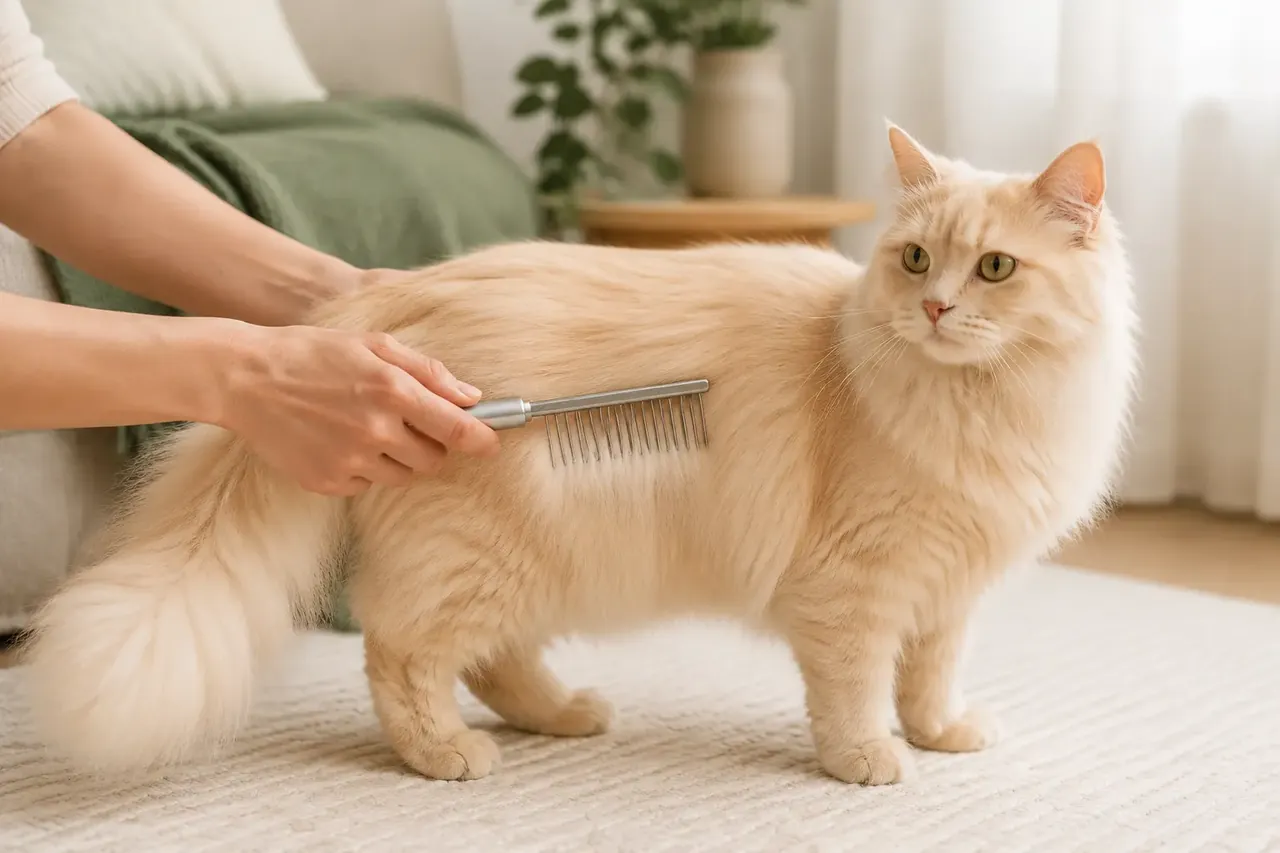 Topic illustration selected for this guide. Some learning images may be AI-assisted.
How scratching supports healthy cat claws — the quick answer
✓ Offer sturdy vertical and horizontal options in materials the cat already chooses.
✓ Place them near sleep areas and existing scratch sites, then reward voluntary use.
✓ Check for overgrown claws, pain, reluctance to scratch or repeated snagging.
Scratching is maintenance and communication, not deliberate furniture damage. This guide shows how to provide surfaces that let a cat stretch, shed claw sheaths and mark normally, what equipment helps, how to protect trust and when routine care should become professional care.
Understand what scratching does
Normal scratching pulls against the outer claw layers and can leave hollow claw-shaped sheaths nearby. It also stretches the body and marks important routes. Finding a sheath is not the same as finding an entire torn claw with blood or pain.
Match orientation and material
Offer tall vertical and broad horizontal options using materials the cat already chooses. A vertical post should allow a full-body stretch; a horizontal pad should not slide. Place them near sleep areas, entrances and existing scratch locations rather than hiding every post in one corner.
Make every surface stable
Test the base and fasteners with firm pressure and replace exposed staples, loose rope, splinters or collapsing cardboard. Do not place a wobbling post beside stairs, glass or an escape route. Multi-cat homes need distributed options so one cat cannot guard all of them.
Redirect without punishment
Protect furniture temporarily, place an approved surface beside it and reward voluntary use. Avoid shouting, spraying, declawing and frightening deterrents. Regular play and suitable placement work better than expecting the cat to understand which textures are valuable to people.
Check the claws as well
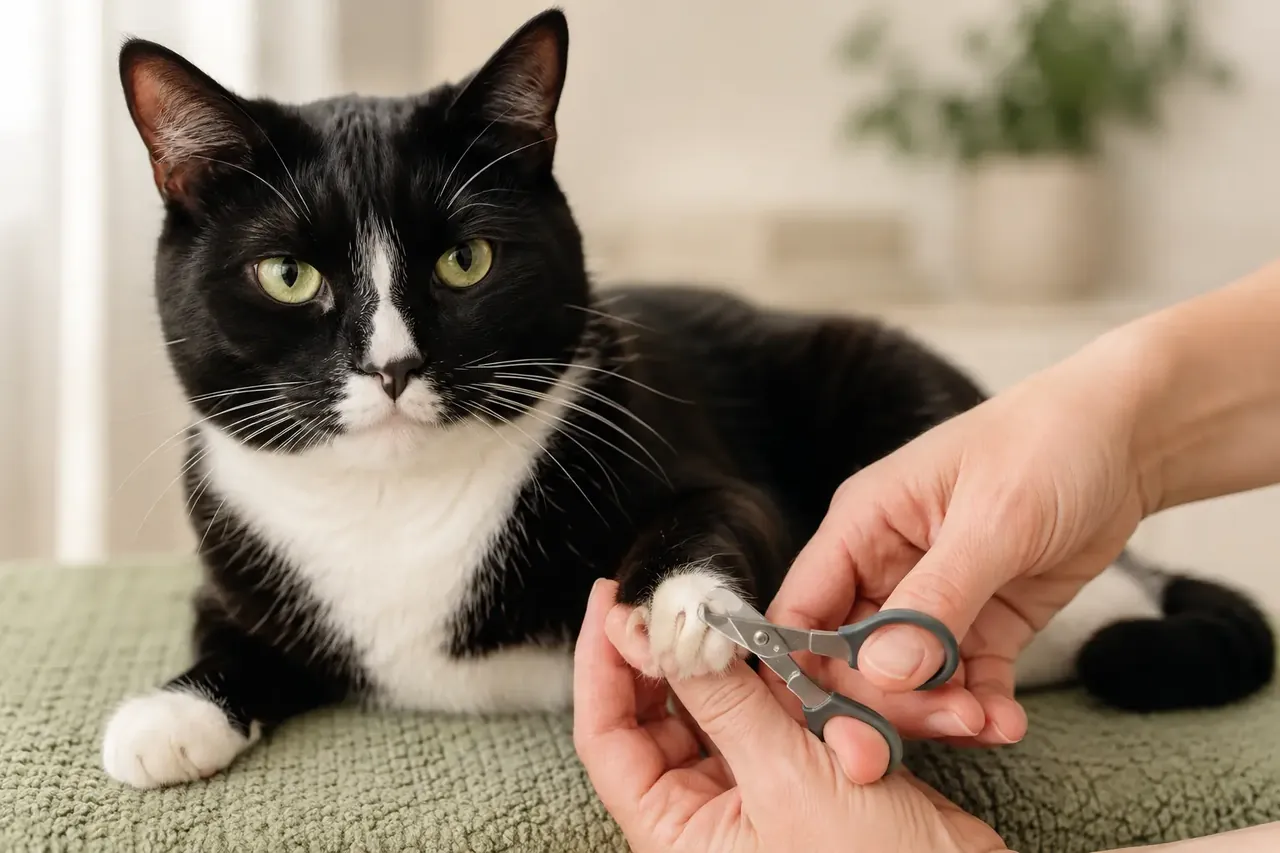
Inspect claws regularly, especially in seniors and cats with reduced mobility. A claw curving toward the pad, swelling, blood, persistent licking, limping or pain needs veterinary attention. Scratching more or less than usual can also accompany stress or physical change.
Your quick checklist
Loading saved progress…
Three simple things you can do
You do not have to change everything today. Pick one step that feels realistic, try it and see how your cat responds.
- 1Observe your cat’s individual baseline.
- 2Make one gentle change at a time.
- 3Ask a qualified professional when health or safety is involved.
Common mistakes
×Waiting for a dramatic symptom instead of noticing smaller changes from the cat’s normal routine.
×Changing several things at once, making it difficult to learn what actually helped.
×Treating general guidance as a substitute for advice from a veterinarian who knows the individual cat.
Questions cat people ask
Does every cat follow the same rule?+
No. Age, health, history, temperament and environment all change what works for an individual.
When should I seek professional help?+
Seek veterinary advice for sudden, persistent or concerning changes and urgent help for breathing difficulty, collapse, seizures, poisoning or urinary obstruction signs.
Still looking for the right answer?
Search the full EverYes Cats encyclopedia with your own words — a symptom, food, behaviour, breed or everyday question.
Checked, dated and transparent
- Prepared by
- EverYes Cats editorial team
- Last updated
- Source checked
- Primary reference
- Cornell Feline Health Center: The Special Needs of the Senior Cat ↗
We begin with the named reference, rewrite the information in plain language and add practical cat-parent steps. Urgent health statements are checked against veterinary sources. This guide has not been individually reviewed by a veterinarian unless explicitly stated. It provides education, not diagnosis or treatment.
How we choose and use sources →
Spotted something unclear or outdated? Tell us so we can review it.
Loading your saved choice…
A dense or double coat needs patient layer-by-layer grooming without shaving or stripping healthy fur. Use a suitable comb, support the skin and keep sessions short enough that every pass remains comfortable.
 02
 05
 06