Kitten sleep, zoomies and a workable daily routine
Kittens naturally alternate long sleep with intense bursts of activity. Several short play–catch–meal cycles and protected rest create a workable routine without expecting adult calm.
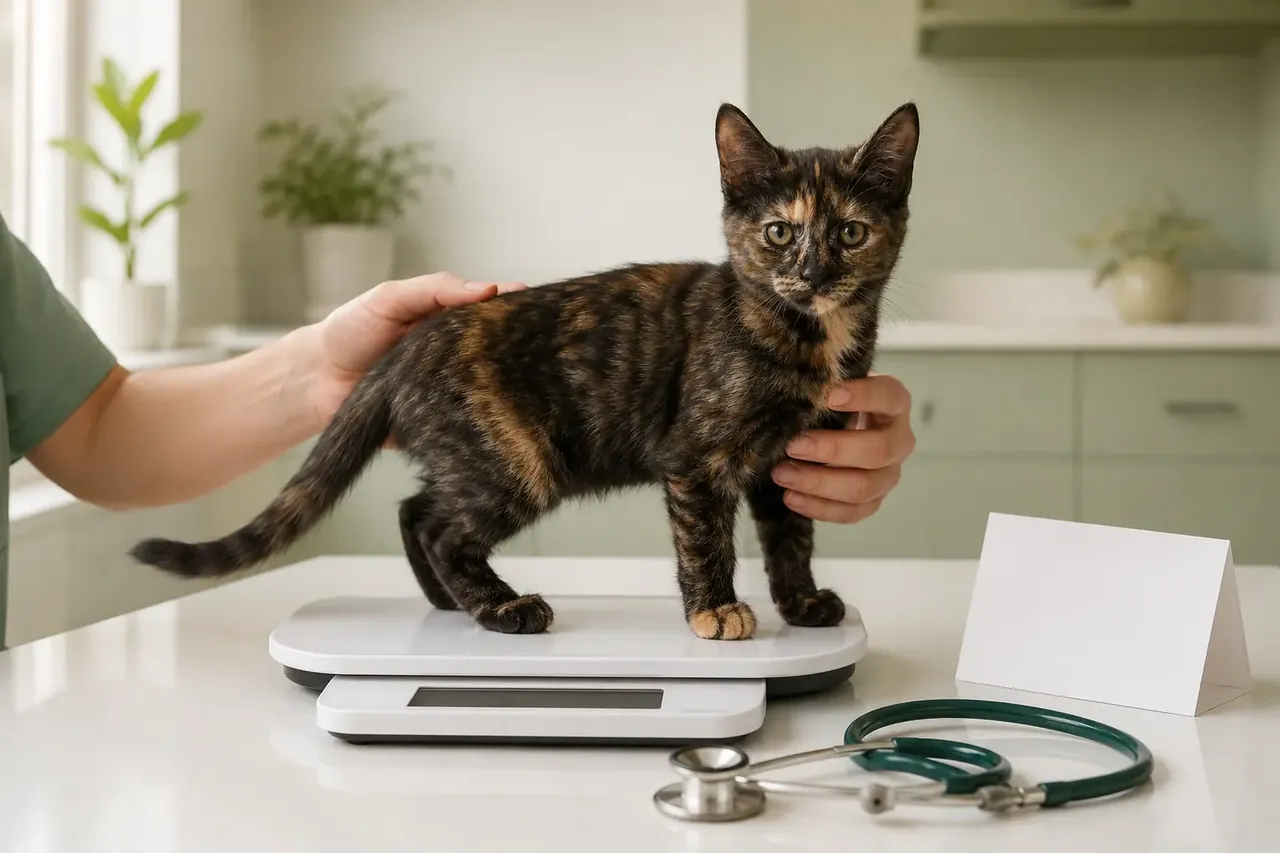 Topic illustration selected for this guide. Some learning images may be AI-assisted.
Kitten sleep, zoomies and a workable daily routine — the quick answer
✓ Frequent sleep is normal for growing kittens
✓ Several short play sessions beat one marathon
✓ Hands should not become prey
✓ A sudden energy drop can be illness
Kittens sleep a great deal, then wake with intense energy. A rhythm of hunt-style play, food and protected rest helps channel that pattern while preserving the sleep needed for growth.
Protect deep rest
Provide a warm quiet bed where children and other pets do not disturb the kitten. Let sleeping kittens wake naturally unless monitoring or veterinary care requires otherwise.
Schedule small activity cycles
Offer several brief wand-toy sessions through the day, ending with a catch and a suitable meal or snack. Rotate safe toys rather than leaving strings unattended.
Shape nighttime gently
Use an active evening play session and meal, remove noisy unsafe toys overnight and keep the sleeping area predictable. Do not punish normal bursts of energy.
Notice abnormal quietness
A kitten that is difficult to wake, weak, not eating, vomiting, having diarrhea or breathing differently needs prompt veterinary advice; young kittens can deteriorate quickly.
Use the evening without exhausting the kitten
Offer a brief interactive hunt-style game, allow a catch and follow with an appropriate measured meal. Put away strings and noisy unsafe toys overnight. An overtired kitten may become more frantic, so the goal is a predictable cycle rather than one marathon session.
Know when quiet is not normal sleep
A sleeping kitten should still wake and respond normally. Difficulty waking, weakness, refusal to eat, repeated vomiting or diarrhoea, unusual breathing or a sudden loss of energy needs prompt veterinary advice because young kittens can deteriorate quickly.
Your quick checklist
Your progress is saved on this device.
Three simple things you can do
You do not have to change everything today. Pick one step that feels realistic, try it and see how your cat responds.
- 1Provide a warm safe sleeping area near familiar household sounds.
- 2Use a predictable evening sequence of play, food, toileting opportunity and quiet.
- 3Let a tired kitten sleep rather than repeatedly waking it for entertainment.
Common mistakes
×Trying to keep the kitten awake all day to force nighttime sleep.
×Rewarding every night wake-up with extra unmeasured food or exciting play.
×Ignoring crying accompanied by illness, poor eating or unsafe age-related needs.
Questions cat people ask
How much do kittens sleep?+
Kittens often sleep for much of the day because growth and learning are demanding. The pattern varies with age, health and activity.
Why does my kitten cry at night?+
Separation, hunger, cold, uncertainty or a medical need may contribute. Check safety and age-appropriate needs, then build a calm predictable routine.
Still looking for the right answer?
Search the full EverYes Cats encyclopedia with your own words — a symptom, food, behaviour, breed or everyday question.
Checked, dated and transparent
- Prepared by
- EverYes Cats editorial team
- Last updated
- 13 August 2026
- Source checked
- 13 August 2026
- Primary reference
- AAHA/AAFP Feline Life Stage Guidelines ↗
We begin with the named reference, rewrite the information in plain language and add practical cat-parent steps. Urgent health statements are checked against veterinary sources. This guide has not been individually reviewed by a veterinarian unless explicitly stated. It provides education, not diagnosis or treatment.
Spotted something unclear or outdated? Tell us so we can review it.
Your answer helps us improve the cat encyclopedia.
Kind kitten socialisation pairs new people, sounds, surfaces and handling with safety and choice. The aim is calm curiosity, not exposure at any cost.