A kitten care calendar
A kitten care calendar is individual, not one universal set of dates. Start with an early examination and let the veterinary team schedule vaccines, parasite care, microchipping and neutering from age, history and exposure risk.
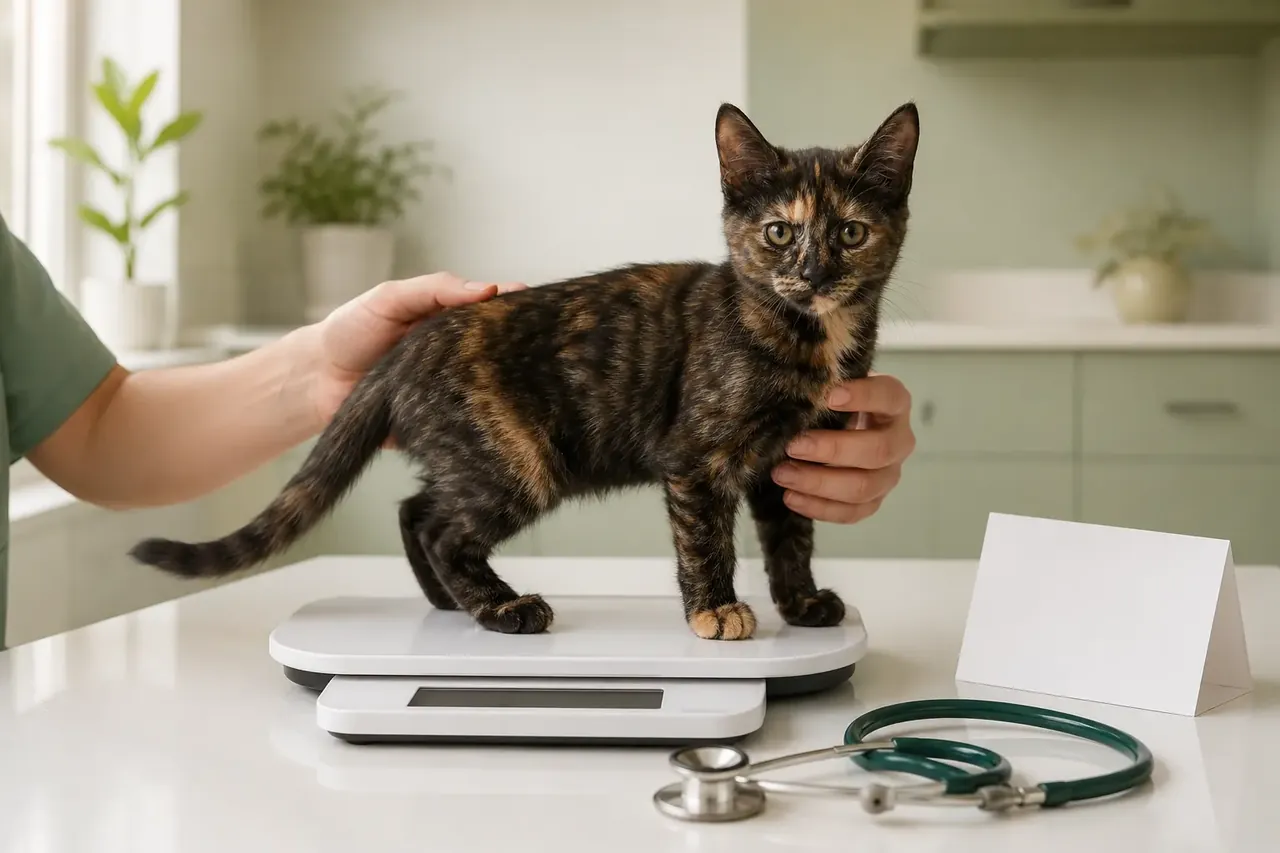 Topic illustration selected for this guide. Some learning images may be AI-assisted.
A kitten care calendar — the quick answer
✓ Preventive care timing depends on age, history and local disease risk.
✓ Ask your vet for a written plan covering vaccines, parasites and neutering.
✓ Record weights and appointments in one place.
Preventive care timing depends on age, history and local disease risk. This guide turns the idea into small practical steps while keeping health, choice and individual temperament in view.
Begin with records and an examination
Collect birth date or best estimate, previous examinations, vaccine labels and dates, parasite treatments, microchip details, diet and any illness history. Book an initial veterinary visit promptly after arrival. The examination establishes a baseline for weight, body condition, heart, lungs, eyes, ears, mouth, abdomen, skin and development before a calendar is finalised.
Treat vaccination as a series, not one appointment
Kittens may need a sequence of core vaccinations because antibodies received from the mother can interfere with early doses. Timing and the final dose depend on age, product, history, health, local disease and exposure. Rabies requirements vary by law and travel. FeLV vaccination and ongoing boosters also depend on age and risk, so use the clinic's written schedule rather than a generic online date table.
Build parasite control from individual risk
The veterinarian can recommend testing and treatment for internal and external parasites based on age, weight, origin, hunting, other animals and local prevalence. Never use a dog flea product or divide a dose intended for another pet. Record product name, active ingredient, dose and date. Persistent diarrhoea, poor growth, pale gums, flea burden or visible worms warrants veterinary advice.
Plan identification and reproductive care
Discuss microchipping, registration and neutering early so timing fits the kitten's health, development and local practice. Verify that registration details are accurate after implantation or adoption; a chip without current contact information cannot reunite a lost cat effectively. Keep the carrier familiar and practise brief calm handling before appointments rather than introducing both only on clinic day.
Include nutrition, teeth and behaviour
Preventive visits are not only injections. Review the complete growth diet, measured intake, weight trend, litter habits, play, socialisation, tooth brushing preparation and safe handling. Ask the clinic to demonstrate nail, ear and mouth checks without force. Early discussion can prevent small feeding, dental or behaviour problems from becoming established routines.
Use a written calendar with reminders
Record what was given, product and batch details when available, the next due date and what signs require a call. Set reminders before rather than on the due date and store records where another caregiver can find them. Travel, boarding and insurance may require documentation. If an appointment is missed, call the clinic for a revised plan instead of restarting or guessing.
Do not wait for the next routine visit when ill
Reduced eating, repeated vomiting or diarrhoea, breathing change, severe lethargy, pain, straining, eye injury or suspected toxin or foreign-object ingestion needs earlier advice. Emergency signs include collapse, seizures, breathing difficulty and inability to urinate. A calendar organises preventive care; it never postpones assessment of a sick kitten.
Your quick checklist
Loading saved progress…
Three simple things you can do
You do not have to change everything today. Pick one step that feels realistic, try it and see how your cat responds.
- 1Observe your cat’s individual baseline.
- 2Make one gentle change at a time.
- 3Ask a qualified professional when health or safety is involved.
Common mistakes
×Waiting for a dramatic symptom instead of noticing smaller changes from the cat’s normal routine.
×Changing several things at once, making it difficult to learn what actually helped.
×Treating general guidance as a substitute for advice from a veterinarian who knows the individual cat.
Questions cat people ask
Does every cat follow the same rule?+
No. Age, health, history, temperament and environment all change what works for an individual.
When should I seek professional help?+
Seek veterinary advice for sudden, persistent or concerning changes and urgent help for breathing difficulty, collapse, seizures, poisoning or urinary obstruction signs.
Still looking for the right answer?
Search the full EverYes Cats encyclopedia with your own words — a symptom, food, behaviour, breed or everyday question.
Checked, dated and transparent
- Prepared by
- EverYes Cats editorial team
- Last updated
- Source checked
- Primary reference
- AAHA/AAFP Feline Life Stage Guidelines ↗
We begin with the named reference, rewrite the information in plain language and add practical cat-parent steps. Urgent health statements are checked against veterinary sources. This guide has not been individually reviewed by a veterinarian unless explicitly stated. It provides education, not diagnosis or treatment.
How we choose and use sources →
Spotted something unclear or outdated? Tell us so we can review it.
Loading your saved choice…
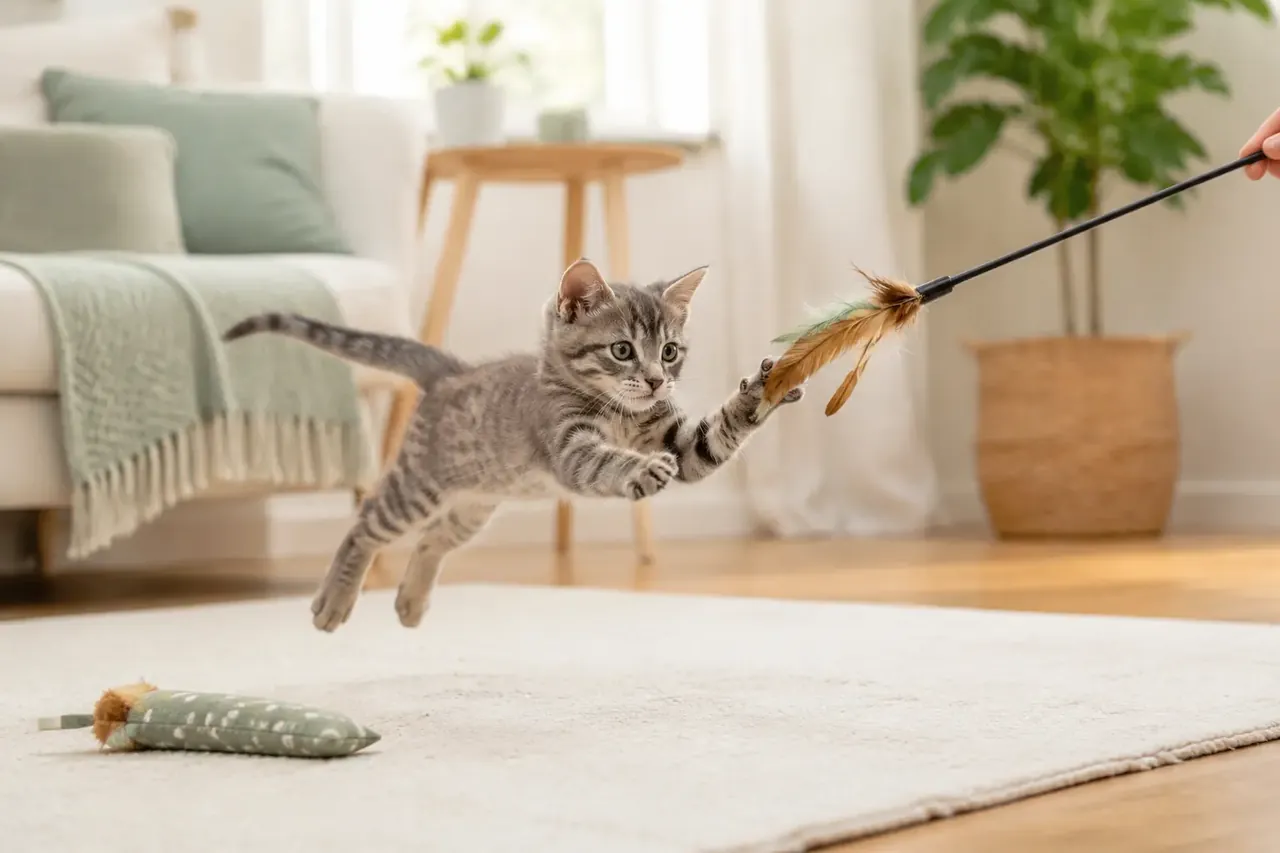
Kittens learn gentle play through consistent redirection, suitable toys and short pauses when teeth or claws touch skin. Punishment can increase fear or excitement and does not teach an alternative.
 02
 03