How to deep-clean a cat litter box
Deep-clean a litter box often enough to remove residue without erasing it with harsh fragrance. Use mild unscented cleaning, rinse thoroughly, dry fully and keep another acceptable box available while the usual one is out of service.
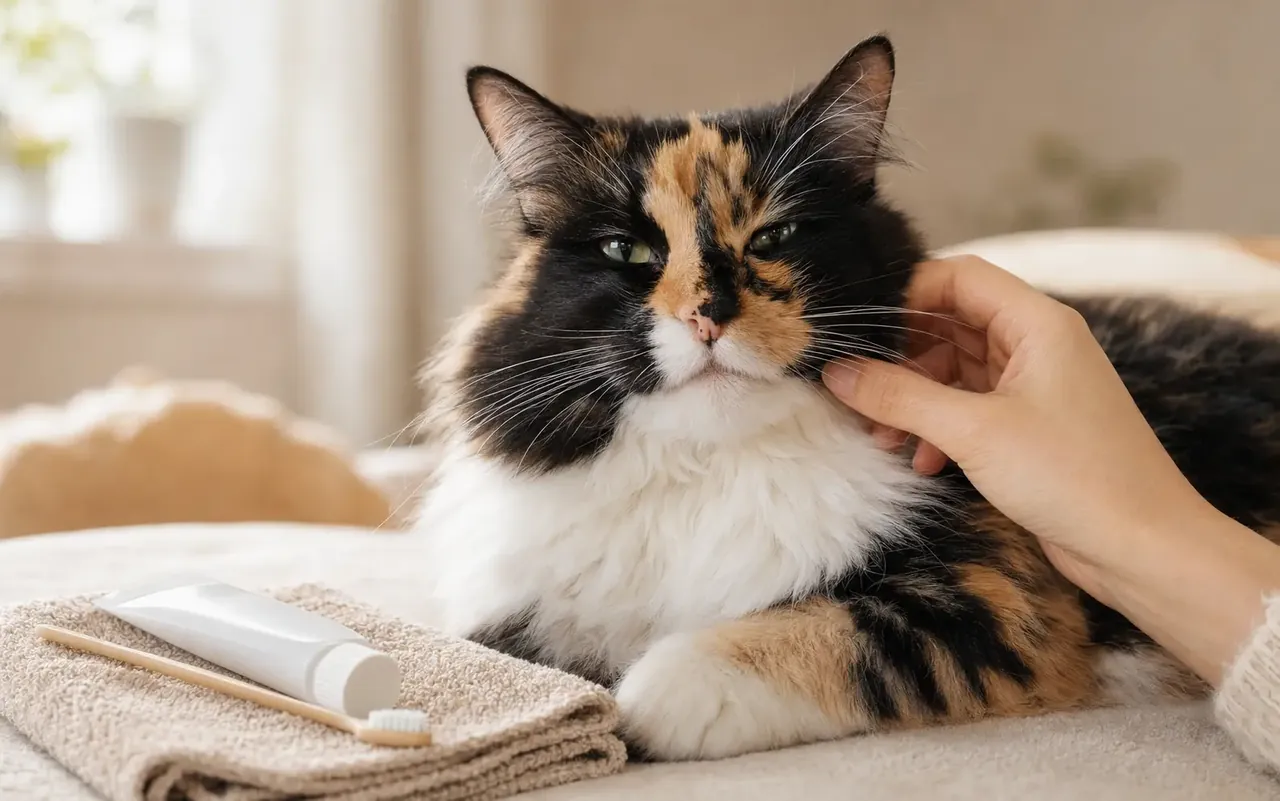 Topic illustration selected for this guide. Some learning images may be AI-assisted.
How to deep-clean a cat litter box — the quick answer
✓ Prepare a spare box, mild unscented soap, warm water and clean drying space.
✓ Empty, wash, rinse completely, dry and refill with the cat's familiar litter depth.
✓ If avoidance or straining starts, consider health as well as cleanliness and contact a vet promptly.
Daily scooping controls most mess, while periodic washing prevents buildup on the tray. This guide shows how to remove residue without leaving a smell or texture the cat rejects, what equipment helps, how to protect trust and when routine care should become professional care.
Choose a low-stress time
Scoop first and prepare a second clean box with the cat's familiar litter before removing the usual tray. Keep the location and routine predictable. A deep clean should not leave the cat without a toilet or force sudden use of a new litter, box style and location at once.
Empty and inspect the tray
Dispose of used litter according to local guidance, then check corners, seams and the base for scratches, cracks, rough areas and retained odour. Deep scoring can hold residue and weaken plastic; replace a damaged tray rather than masking the smell with stronger chemicals.
Wash without fragrance or mixing
Use warm water and a small amount of mild unscented cleaner compatible with the box material. Never mix bleach, ammonia, acids or other products, and avoid essential oils and strongly perfumed disinfectants. Wear gloves and keep cats away from the wash area.
Rinse, dry and restore familiarity
Rinse until no cleaner or foam remains and dry every surface before adding the usual depth of familiar litter. Return the box to its normal accessible position. Avoid scent boosters, liners or deodorisers introduced during the same cleaning session.
When odour or accidents need more than cleaning
Persistent odour may mean scratched plastic, hidden urine nearby or insufficient daily scooping. New avoidance, straining, crying, blood or frequent small urinations needs veterinary assessment; repeated attempts with little or no urine is an emergency.
Your quick checklist
Loading saved progress…
Three simple things you can do
You do not have to change everything today. Pick one step that feels realistic, try it and see how your cat responds.
- 1Observe your cat’s individual baseline.
- 2Make one gentle change at a time.
- 3Ask a qualified professional when health or safety is involved.
Common mistakes
×Waiting for a dramatic symptom instead of noticing smaller changes from the cat’s normal routine.
×Changing several things at once, making it difficult to learn what actually helped.
×Treating general guidance as a substitute for advice from a veterinarian who knows the individual cat.
Questions cat people ask
Does every cat follow the same rule?+
No. Age, health, history, temperament and environment all change what works for an individual.
When should I seek professional help?+
Seek veterinary advice for sudden, persistent or concerning changes and urgent help for breathing difficulty, collapse, seizures, poisoning or urinary obstruction signs.
Still looking for the right answer?
Search the full EverYes Cats encyclopedia with your own words — a symptom, food, behaviour, breed or everyday question.
Checked, dated and transparent
- Prepared by
- EverYes Cats editorial team
- Last updated
- Source checked
- Primary reference
- FelineVMA/ISFM: House-Soiling Guidelines ↗
We begin with the named reference, rewrite the information in plain language and add practical cat-parent steps. Urgent health statements are checked against veterinary sources. This guide has not been individually reviewed by a veterinarian unless explicitly stated. It provides education, not diagnosis or treatment.
How we choose and use sources →
Spotted something unclear or outdated? Tell us so we can review it.
Loading your saved choice…
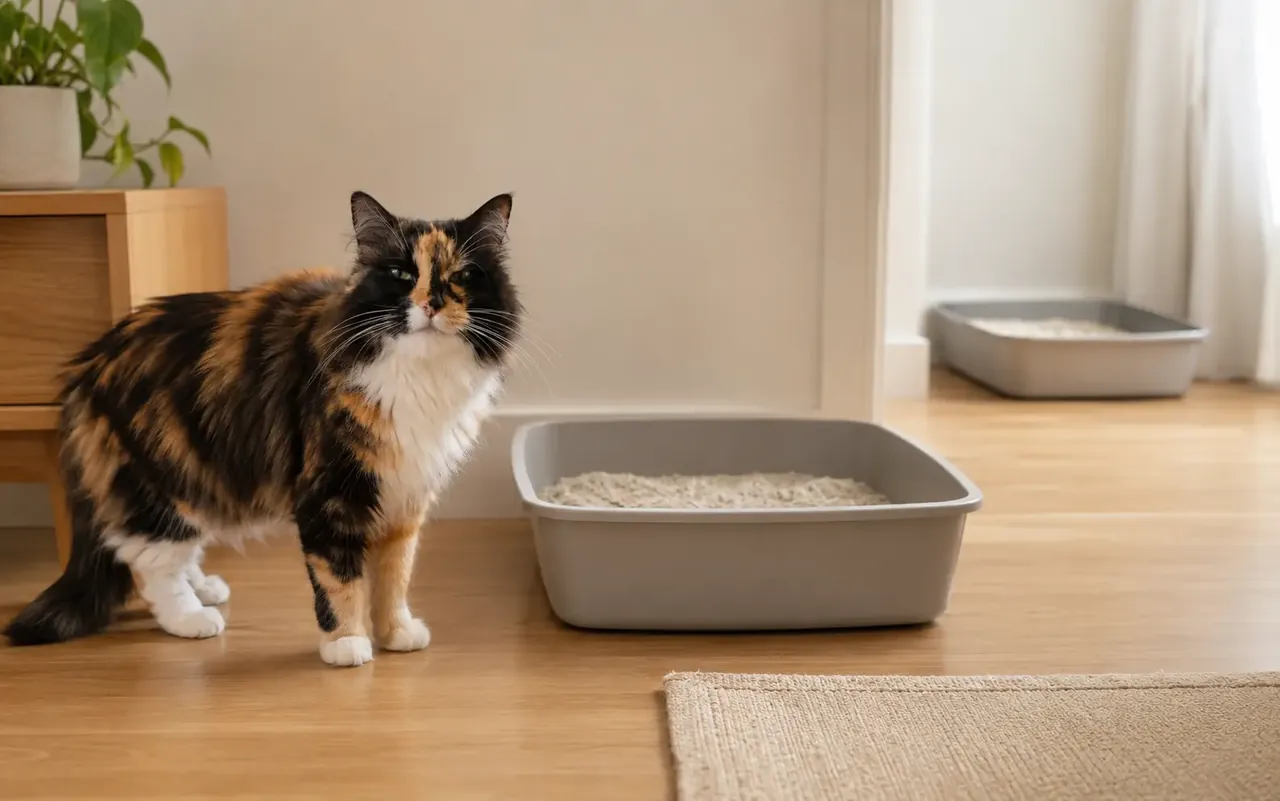
A low-entry litter box reduces the step for kittens, senior cats and cats with pain while retaining enough wall height to contain litter. Provide a non-slip route, generous floor space and at least one easy box on every level the cat uses.
 02
 03