How to clean cat toys without ruining the fun
Clean cat toys according to their material and retire anything with loose parts, damaged seams, exposed batteries or contamination that cannot be removed. Washing should not leave fragrance or moisture trapped inside.
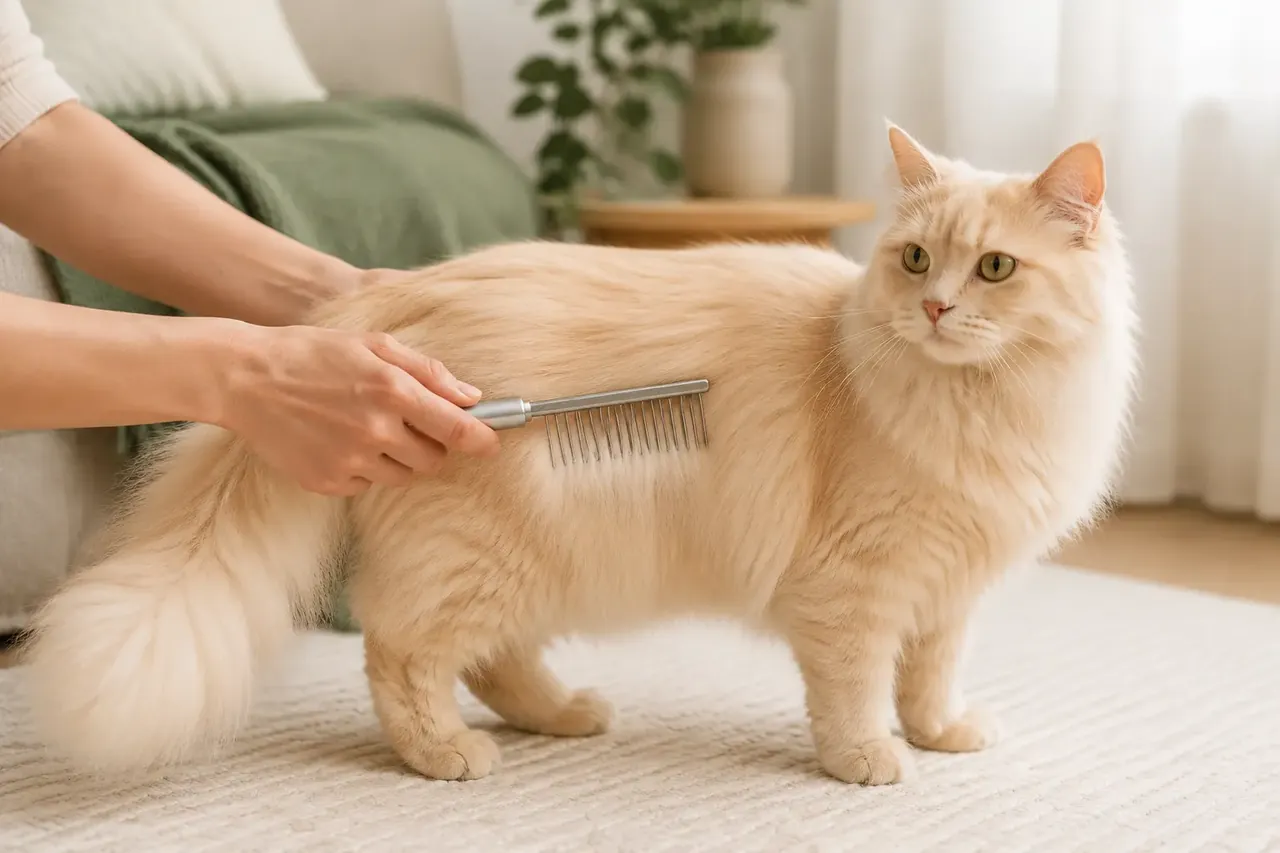 Topic illustration selected for this guide. Some learning images may be AI-assisted.
How to clean cat toys without ruining the fun — the quick answer
✓ Sort toys by material, inspect seams and read care labels before washing.
✓ Use mild unscented cleaning, rinse thoroughly, dry completely and rotate toys back gradually.
✓ Call a veterinarian if any missing part may have been swallowed.
Soft toys, balls and puzzle feeders collect different kinds of debris. This guide shows how to remove dirt and saliva while preserving safe scent, structure and movement, what equipment helps, how to protect trust and when routine care should become professional care.
Sort before cleaning
Separate hard washable toys, fabric toys, cardboard, electronic items and catnip-filled products. Read labels and inspect seams, glue, bells, feathers, elastic, eyes, stuffing and battery compartments. Discard damaged or unidentifiable toys instead of trying to sanitise every object.
Match cleaning to the material
Use mild unscented detergent and water only where the manufacturer permits it. Place machine-washable fabric toys in a protective bag and choose the stated cycle; wipe hard items and rinse thoroughly. Cardboard and deeply porous items should be replaced when soiled rather than soaked.
Keep electronics and chemicals controlled
Remove batteries if instructions allow, keep electrical parts dry and ensure screw-fastened compartments close securely. Never use essential oils, disinfectant spray, bleach mixtures or flea products on toys unless the exact label confirms safe use for that material and animal contact.
Dry and inspect before return
Dry every layer completely to prevent mould and squeeze or flex the toy to reveal trapped water and loose seams. Count parts before and after cleaning. Return only toys that remain intact, odour-free and too large to swallow.
Know when to call a veterinarian
After suspected swallowing of string, elastic, stuffing, battery material or toy fragments, call for veterinary advice and do not pull visible string from the mouth or anus. Choking, breathing difficulty, collapse, repeated vomiting or severe pain is urgent.
Your quick checklist
Loading saved progress…
Three simple things you can do
You do not have to change everything today. Pick one step that feels realistic, try it and see how your cat responds.
- 1Observe your cat’s individual baseline.
- 2Make one gentle change at a time.
- 3Ask a qualified professional when health or safety is involved.
Common mistakes
×Waiting for a dramatic symptom instead of noticing smaller changes from the cat’s normal routine.
×Changing several things at once, making it difficult to learn what actually helped.
×Treating general guidance as a substitute for advice from a veterinarian who knows the individual cat.
Questions cat people ask
Does every cat follow the same rule?+
No. Age, health, history, temperament and environment all change what works for an individual.
When should I seek professional help?+
Seek veterinary advice for sudden, persistent or concerning changes and urgent help for breathing difficulty, collapse, seizures, poisoning or urinary obstruction signs.
Still looking for the right answer?
Search the full EverYes Cats encyclopedia with your own words — a symptom, food, behaviour, breed or everyday question.
Checked, dated and transparent
- Prepared by
- EverYes Cats editorial team
- Last updated
- Source checked
- Primary reference
- Cats Protection: Keeping Cats Safe at Home ↗
We begin with the named reference, rewrite the information in plain language and add practical cat-parent steps. Urgent health statements are checked against veterinary sources. This guide has not been individually reviewed by a veterinarian unless explicitly stated. It provides education, not diagnosis or treatment.
How we choose and use sources →
Spotted something unclear or outdated? Tell us so we can review it.
Loading your saved choice…
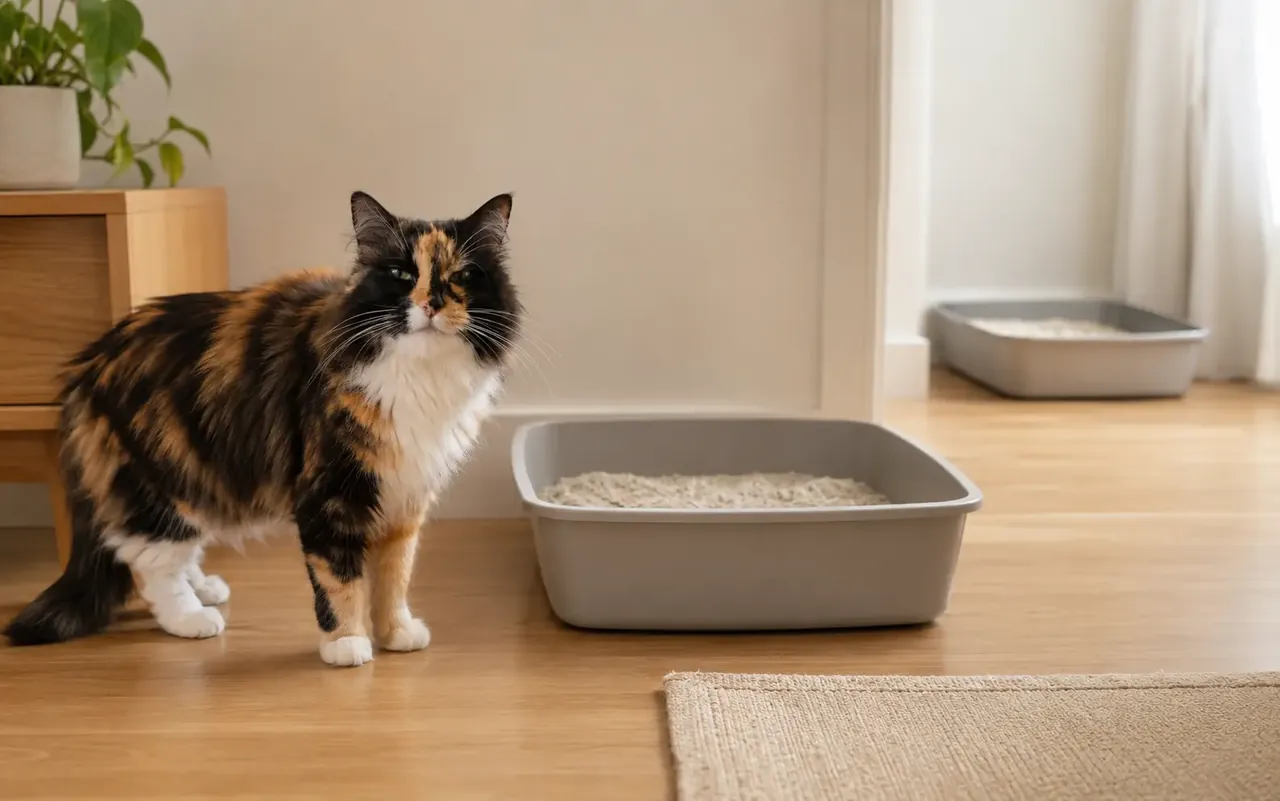
A low-entry litter box reduces the step for kittens, senior cats and cats with pain while retaining enough wall height to contain litter. Provide a non-slip route, generous floor space and at least one easy box on every level the cat uses.
 01
 02
 03